
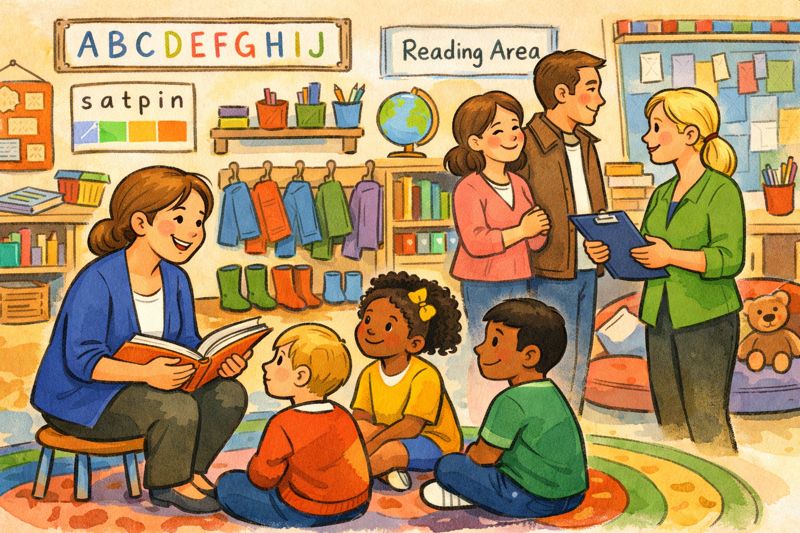
Walking into a prospective nursery or prep school for the first time can feel a little overwhelming. The classrooms look inviting, the displays are colourful, and staff are ready with welcoming smiles and well-rehearsed presentations. Yet beneath the polished surface lies the question every parent is really trying to answer: is this the right place for my child?
A school visit is your best opportunity to move beyond brochures and websites and gain a real sense of how a school operates day to day. Knowing what to ask can help you cut through generalities and gather the information that truly matters for your family.
Start with the Child’s Daily Experience
One of the simplest ways to understand a school’s approach is to ask about a typical day. This is particularly important when choosing an early years nursery, where routine, play, and emotional security form the foundation for everything that follows.
Useful questions include:
-
- What does a normal day look like for children at this age?
- How is time divided between structured learning and free play?
- How much time is spent outdoors?
- How are transitions between activities managed?
These answers reveal whether the school balances learning with play, provides routine without rigidity, and respects young children’s natural rhythms.
Ask About Class Sizes and Individual Attention
Children thrive when they feel known and supported. Understanding how staff manage individual needs is essential. Consider asking:
- How many children are in each class?
- What’s the staff-to-child ratio?
- How do teachers get to know each child’s strengths and challenges?
- How is learning adapted for children who need extra support?
Responses here will indicate whether the school’s commitment to individualised learning is a practical reality or simply aspirational language.
Explore the Approach to Learning
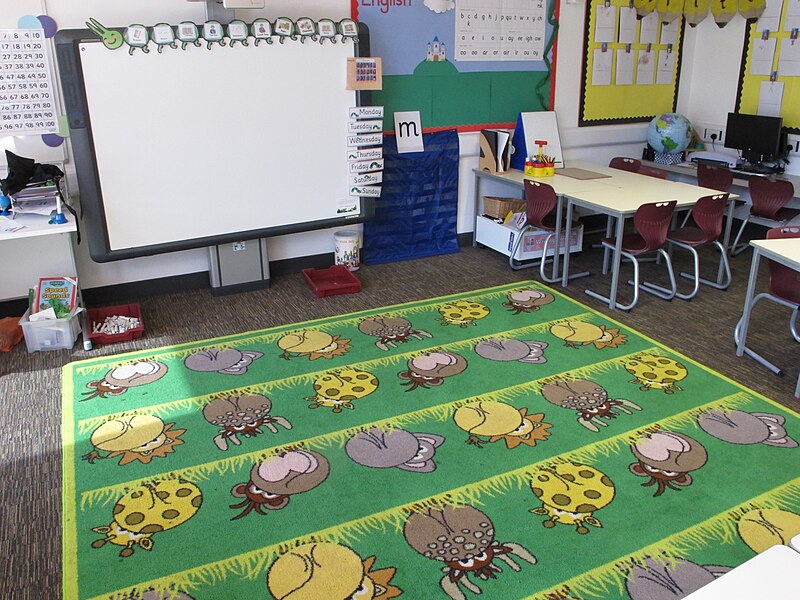

Early education and prep school years lay crucial foundations, so it’s important to understand how learning is delivered. National frameworks can offer helpful context when assessing a school’s answers. For example, the UK’s Early Years Foundation Stage (EYFS) outlines what quality early learning should look like in practice.
You might ask:
- How is the curriculum structured across the year?
- Is learning topic-based, play-led, or more formal?
- How are literacy and numeracy introduced?
- How do you encourage curiosity and independent thinking?
Listening carefully to how staff describe learning will help you judge whether the approach aligns with your child’s personality and your family’s values.
Understand Behaviour and Emotional Support
Every child has moments of frustration, worry, or conflict with peers. How a school handles these situations says a great deal about its ethos. Many parents find it helpful to compare school responses with recognised guidance on supporting children’s emotional wellbeing, such as that provided by the NHS.
Helpful questions include:
- How do you support a child’s emotional wellbeing?
- What happens if a child is upset or struggling?
- How do you handle behavioural issues?
- How are kindness and respect encouraged?
Look for answers that emphasise guidance, communication, and partnership with parents rather than purely disciplinary measures.
Ask About Communication with Parents
A strong partnership between home and school makes a significant difference to a child’s experience. Ask:
- How will I be kept informed about my child’s progress?
- Are there regular parent meetings or written reports?
- How easy is it to speak to teachers if concerns arise?
- How are achievements shared?
Open, transparent communication is often a sign of a confident and supportive school culture.
Explore Enrichment Opportunities
Learning doesn’t stop at the classroom door. Activities beyond core lessons reveal how a school supports confidence, creativity, and social development. Questions might include:
- What clubs or extra activities are available?
- Are there opportunities for music, drama, and sport?
- Do children take part in trips or community projects?
- How is outdoor learning used?
Discuss Transitions and Future Steps

For nursery settings, parents will want to understand how children are prepared for school life. For prep schools, the focus may be on readiness for the next educational stage. You could ask:
- How do you help children settle in when they first join?
- How do you support children moving up to the next year group?
- How are children prepared for their next school stage?
- What guidance is offered to parents during transition periods?
Pay Attention to the Environment
Alongside your questions, observe quietly. Do children appear engaged? Are classrooms calm but lively? Is children’s work displayed proudly? Are staff interacting warmly?
@anaisfletcher Advice for nursery visit please! I’m already going to speak to them about funding/ tax free childcare etc but would appreciate if anyone could let me know what else to ask! #mumssupportingmums #nurseryvisit #babyadvice #nurseryadvice ♬ original sound – anais fletcher
Sometimes what you see and feel is just as informative as the answers you receive.
Trust Your Impressions
By the end of a visit, you should feel clearer, not more confused. If staff answer questions openly, children appear happy, and the environment feels welcoming, you’re likely looking at a school that values transparency and care. If answers feel vague or overly rehearsed, it may be worth asking follow-up questions or visiting again.
Choosing a nursery or prep school is a significant decision, but it doesn’t need to be daunting. With thoughtful questions and careful observation, you can move beyond surface impressions and make confident, well-informed choices.
After all, the right school isn’t simply the one with the strongest reputation. It’s the one where your child will feel safe, supported, and inspired to grow.