
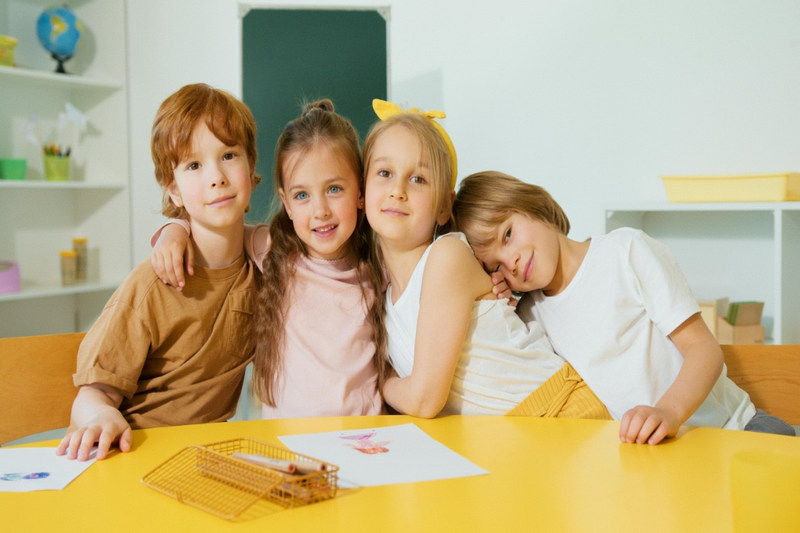
Parents are often reassured that children are naturally resilient. That if home is stable and loving, school is just a backdrop. To a point, that is true. But it misses something essential. The places where children spend their days do more than deliver lessons. They quietly shape how children relate to learning, to challenge, and to themselves.
This influence is rarely obvious. It does not announce itself through grades or reports. It shows up years later in how a child reacts when something feels difficult, unfamiliar, or uncertain.
Learning Environments Teach Before Teaching Begins
Before children understand subjects, they absorb atmosphere. They notice whether adults seem rushed or attentive. Whether questions are encouraged or quickly redirected. Whether there is space to think, or pressure to perform.
These signals are subtle, but they accumulate. Over time, they become expectations. A child who learns that curiosity is welcomed will keep asking questions. A child who learns that speed matters more than understanding may stop asking altogether.
This is why the learning environment matters as much as what is being taught, especially in the early years.
Big Futures Grow out of Small, Repeated Moments
No child’s future is shaped by a single decision or a standout year. It is shaped by repetition. By thousands of ordinary moments that slowly form habits and beliefs.
Being allowed to finish a thought. Being encouraged to try again. Being trusted to explore an idea rather than rush toward the “right” answer. These experiences teach children how learning works. More importantly, they teach children how they fit into the learning process.
In the right environment, children begin to see challenge as something they can approach, not something to fear.
Why Pace Matters More Than Pressure
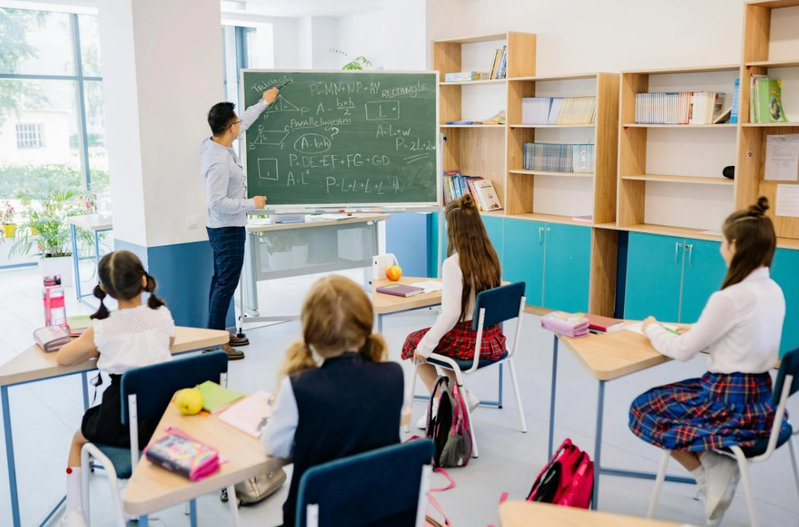
There is a growing tendency to confuse early progress with early pressure. Faster reading, earlier maths, more structure sooner. While structure has its place, introducing it too early or too rigidly can narrow how children experience learning.
Children develop at different speeds. When the pace of the environment respects this, children are more likely to stay engaged. When it does not, some children learn to hide uncertainty rather than work through it.
Learning environments that allow ideas to unfold gradually tend to build deeper understanding and more durable confidence.
How Children Actually Make Sense of Ideas
Young children rarely learn in straight lines. They circle ideas. They test them through play, conversation, movement, and imagination. This is not a distraction from learning. It is how learning happens.
Approaches built around play based learning recognise that understanding grows through exploration before it becomes formal knowledge. Structure is still present, but it emerges at the right moment, when children are ready to connect ideas rather than memorise them.
This approach does not delay learning. It strengthens it.
The Difference Becomes Obvious When You See It
Spend time in different classrooms and the contrast becomes impossible to ignore. Some spaces feel tense, even when children are quiet. Others feel calm, even when children are busy. In some rooms, curiosity feels risky. In others, it feels expected.
Children respond to these differences immediately. Their posture changes. Their voices change. Their willingness to engage shifts without anyone saying a word.
Adults often underestimate how sensitive children are to these signals.
Confidence That Doesn’t Need to Perform
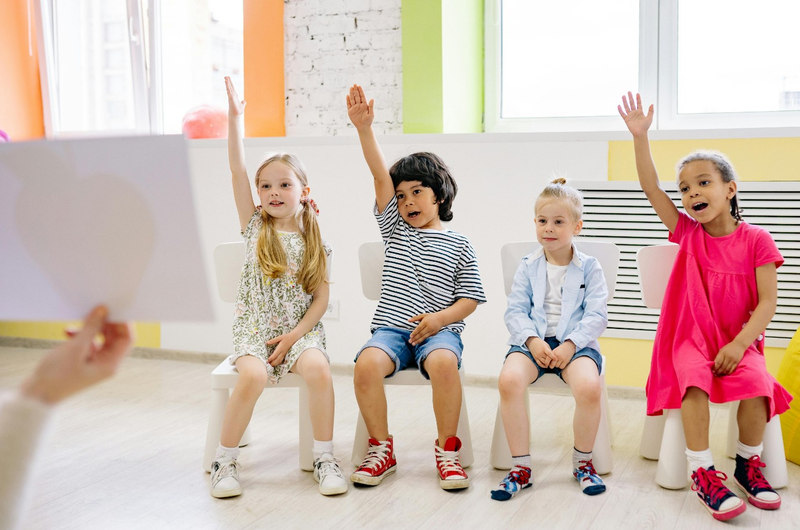
Children who feel secure in their learning environment develop a particular kind of confidence. Not loud or competitive, but steady. They are more willing to attempt unfamiliar tasks and less shaken by mistakes.
This confidence becomes increasingly important as learning becomes more demanding. Children who trust the process of learning are better equipped to handle pressure later on, because challenge does not feel new or threatening.
They have already learned that difficulty is part of understanding.
Why This Matters Now More Than Ever
The world children are growing into is unpredictable. Many future roles will require flexibility, creativity, and independent thinking rather than rigid rule-following. These qualities are not easily taught later if they were never allowed to develop early on.
Learning environments that value curiosity, patience, and exploration give children tools that remain useful no matter how the future changes.
This is not about preparing children for specific outcomes. It is about preparing them to adapt.
Choosing Environments, Not Shortcuts
When parents think about education, it is tempting to focus on destinations: next schools, future options, long-term success. But destinations are reached through daily experience, not acceleration.
The most important question is not “How far ahead is my child?” but “How does my child experience learning every day?”
Because that experience, repeated quietly over time, shapes far more than any single milestone ever could.
Creating big futures does not require pushing children faster or expecting more sooner. It requires placing them in environments that respect how learning actually happens and give children the space to grow into it.
The right learning environment does not decide a child’s future. It keeps that future open.