
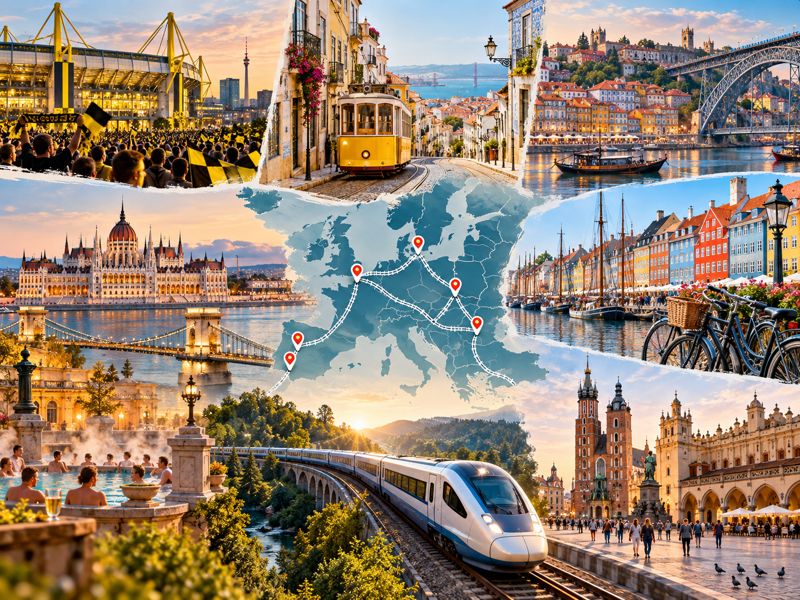
Budget city breaks across Europe are shifting shape for 2026. More travellers are swapping short-haul flights for direct rail routes, picking shoulder-season weeks over peak summer, and choosing cities where a modest daily budget still covers a proper dinner and a decent hotel bed.
On the Paris to Amsterdam corridor alone, advance rail fares now run as low as 29 euros one way, often undercutting the all-in cost of the equivalent flight once airport transfers get added, which is one reason the route keeps turning up on value-conscious itineraries.
Dortmund for Football on a Budget
Dortmund makes an easy case for a football-themed leg of the trip. Match tickets start from around 19 euros for a standard Bundesliga fixture, standing places on the Sudtribune run cheaper again, and a pint at the stadium still costs stadium prices rather than tourist prices. The German Football Museum sits a five-minute walk from the main station, which makes a half-day stop simple even for a traveller only passing through on the way somewhere else.
Budget travellers who build a trip around a single match tend to spend less on the whole weekend than they would on one night out in central London.
Lisbon, Still a Strong Value Pick
.jpg)
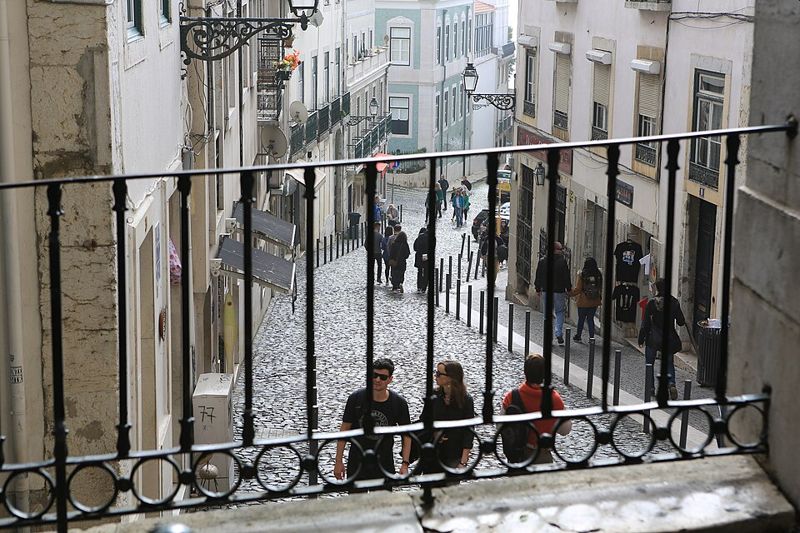
Lisbon remains a strong value pick, though not quite the bargain its reputation suggests. Eating out is still noticeably cheaper than London, a weekday lunch of grilled fish and a glass of vinho verde rarely clears 15 euros, and the coastal day trips to Cascais or Sintra cost little more than a train ticket. Budapest and Prague now undercut Lisbon on hostel and guesthouse rates, so travellers chasing the single cheapest capital in Europe should look further east, but Lisbon still beats most of Western Europe on everyday spend.
The evening options here run further than most city breaks too: Estoril, twenty minutes up the coast by train, is home to the largest casino in Europe, the same Casino Estoril that inspired Ian Fleming’s original Casino Royale. For anyone who enjoys that kind of evening but is not planning a trip to the Portuguese coast this month, the top casino sites in the UK cover much the same ground from the sofa, which is as much a part of the comparison as the hotel and flight prices for travellers deciding between cities.
Porto, the Quieter Alternative
Porto offers the same Portuguese value without Lisbon’s cruise-ship crowds. Riverside guesthouses in Vila Nova de Gaia cost a fraction of central Lisbon rates, port wine cellar tastings run a few euros a head, and the whole city centre is walkable in an afternoon without needing a single taxi or tram fare.
For anyone choosing between the two, Porto suits a quieter weekend and Lisbon suits a trip built around nightlife and day trips; both work on the same rough daily budget.
Budapest, Still Underrated on Value
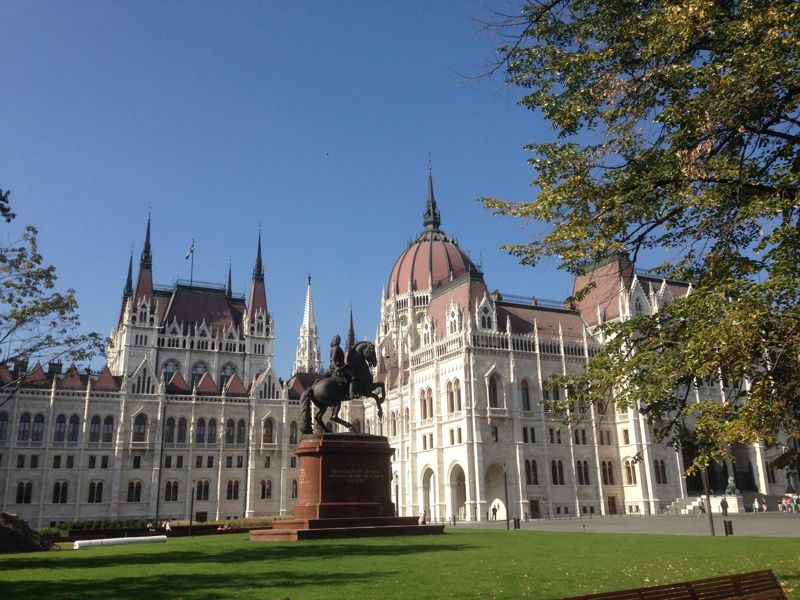
Budapest keeps its reputation as one of Europe’s most underrated city breaks on value grounds. Thermal baths, a proper dinner with wine, and a night out in the ruin bars around District VII can still be done comfortably on a modest daily budget, and the Hungarian forint keeps stretching further than most euro-zone equivalents right now.
Independent cost-of-living comparisons consistently put everyday spending there below Lisbon and well below Western European capitals.
Copenhagen, Worth the Extra Spend
Copenhagen costs more than any of the above, and it is worth saying so plainly rather than pretending otherwise. Where it earns the spend back is in consistency: public transport that actually runs on time, a cycling culture that cuts taxi bills close to zero, and a food scene where mid-range still means genuinely good.
For a traveller willing to pay slightly more for a city that justifies it, Copenhagen is the one to save for rather than skip entirely.
Krakow, Europe’s Best-Value Surprise
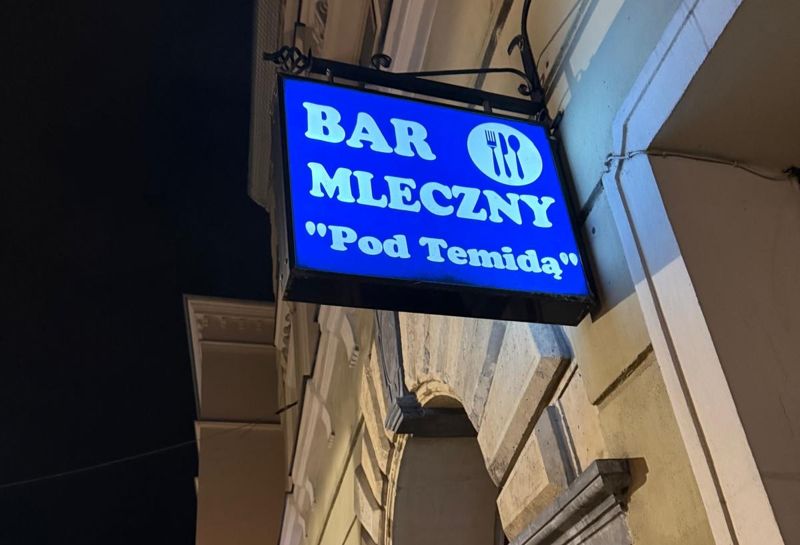
Krakow rarely makes the first-choice shortlist for a city break, usually written off as a stag-do destination rather than a proper one, but the medieval Old Town and the Kazimierz district deserve a slower visit on their own merits. A hostel dorm bed runs to roughly 14 to 19 euros a night, a full milk bar meal of pierogi or zurek soup rarely clears six euros, and a half litre of local beer in Kazimierz costs somewhere between two and five euros depending on how far from the main square the search goes.
Direct flights from Stansted, Luton and Gatwick keep the journey itself under two and a half hours, which makes Krakow one of the easier weekend additions to a wider European budget trip rather than a destination that needs its own dedicated week.
Back to the Trains
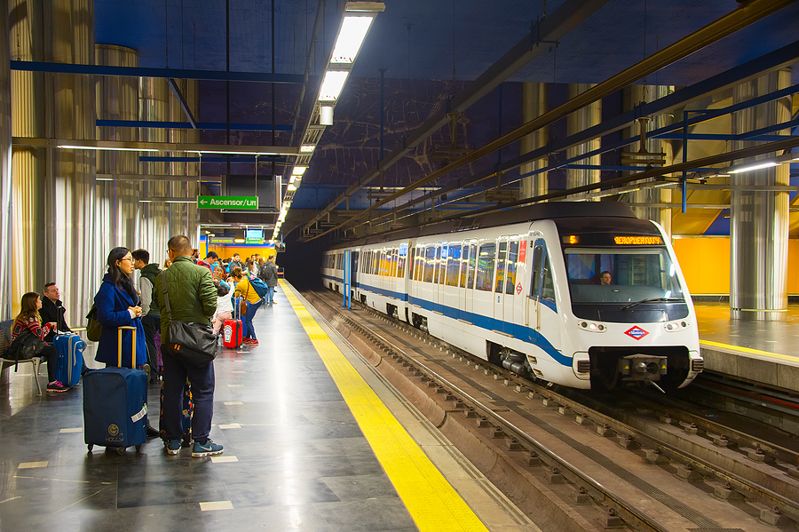
None of this requires giving up on the train-first approach either. A closer look at which European rail routes beat flights on price this year goes into the ticket-splitting tactics worth knowing before booking any of the six cities above, and most of them apply equally well whichever direction the next city break heads in.