
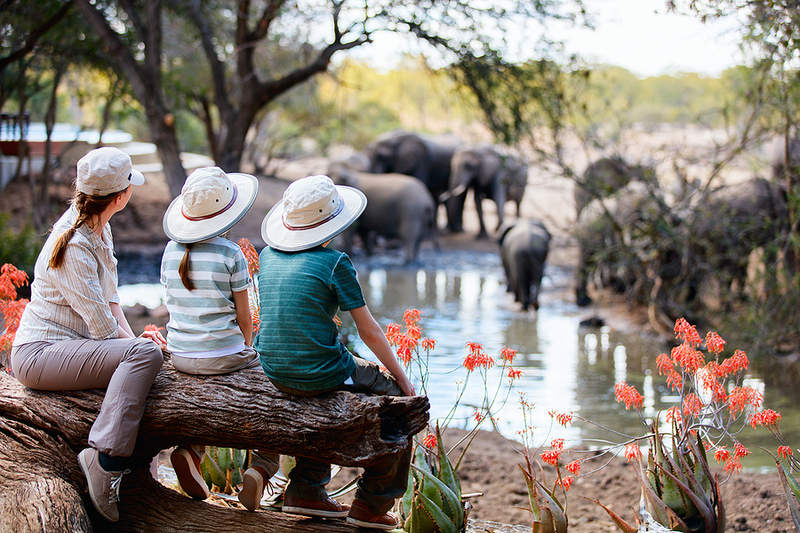
I’ve been thinking about family safaris lately, and honestly, they’re not quite what most people imagine. There’s this assumption that safaris are really for hardy adventurers or romantic couples, you know, not the sort of thing you’d do with a seven-year-old who still complains about long car journeys. But actually, when you look at it properly, a safari can work brilliantly for families. It just needs a bit of thought beforehand.
The thing is, when it’s planned well and you pick the right places, a safari gives you these shared experiences that genuinely appeal to everyone. Kids get excited about the animals, obviously, but there’s also something about learning things in that environment, outside a classroom, hands-on, that seems to stick with them. It encourages curiosity. Patience, too, which is no small feat. And somehow, everyone ends up more connected to each other and to the place itself.
If you’re new to the whole safari idea as a family, going with something well-organised like an African safari makes a real difference. Especially when you’ve got children who’ve never been around wildlife before or aren’t used to that kind of landscape. Structure helps. So does knowing someone’s thought it all through.
Why It Actually Works for Families
One thing that surprised me is how the pace of a safari suits family life quite well. You’re not constantly packing up and moving on to the next city or ticking off another attraction. Usually, you stay put for a few nights in one spot. That gives children time to settle in, get familiar with their surroundings, and understand the daily rhythm of things. They get to know the guides. They recognise the landscape. It stops feeling overwhelming.
The activities themselves tend to include everyone naturally. Game drives are these brilliant shared moments, whether you’re spotting elephants at a waterhole or watching birds congregate at sunrise. Those moments spark conversation. Questions tumble out. And because there aren’t the usual distractions, no screens, no background noise, families often find they’re actually present with each other. Properly engaged with what’s around them.
Picking Places That Suit Children
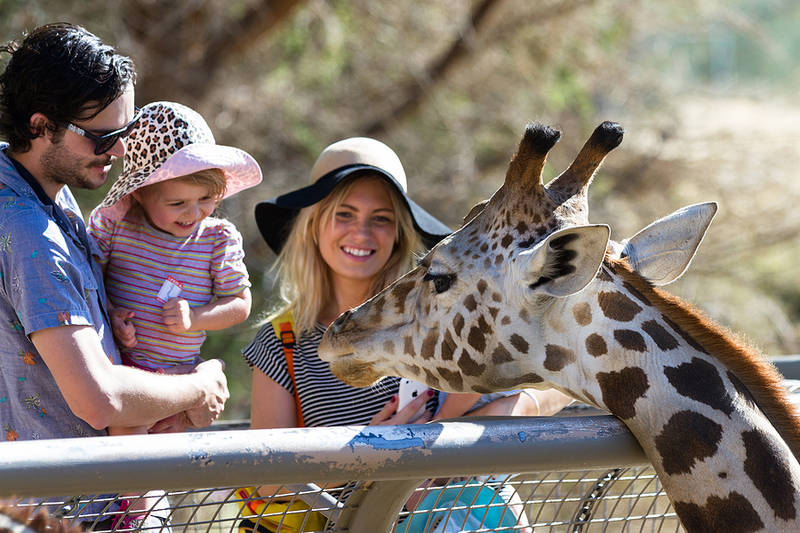
Not every safari destination works equally well for families, though. Where you go genuinely matters. Some regions offer calmer wildlife experiences, shorter distances between places, and accommodation that’s actually set up for younger guests rather than just tolerating them.
Southern Africa often comes up as particularly family-friendly. South Africa, Namibia, Botswana, they’ve got well-developed tourism infrastructure and private reserves where activities can be adjusted depending on ages. Another advantage is that several areas are malaria-free or low-risk, which matters quite a lot when you’re travelling with small children and trying not to worry yourself sick.
East Africa works too, especially if you’ve got older kids who might be genuinely interested in things like wildlife migration, conservation efforts, or learning about local cultures. The key is finding areas where you’ll actually see wildlife fairly regularly and where the drives aren’t so long that everyone ends up exhausted and grumpy. Keeping children engaged without wearing them out, that’s the balance you’re after.
Where You Stay Matters as Much as Where You Go
Accommodation is honestly just as important as the destination itself. Quite a few safari lodges and camps now cater specifically for families, which means rooms that actually fit parents and children comfortably, and schedules flexible enough to recognise that not everyone has the same energy levels at the same time.
Some lodges run child-focused activities that are more about education than entertainment in the traditional sense. Junior ranger programmes, for instance. They introduce children to tracking, animal behaviour, conservation, all through guided walks and proper hands-on learning. These are usually adapted to each child’s age, so they’re safe but still encourage independence and that natural curiosity kids have.
Just as important is downtime. Good family-friendly accommodation builds in space between activities. Children need time to rest or just process what they’ve seen, and parents need those quieter moments to actually enjoy their surroundings without feeling like they’re constantly on duty.
Safety and Not Worrying Constantly
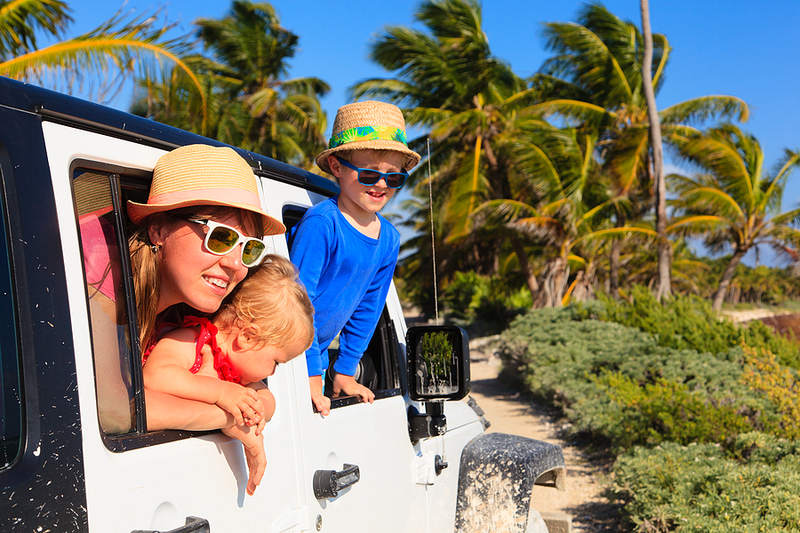
Safety is obviously a big concern for families, and safari environments are generally well managed on this front. Guides are properly trained, they understand animal behaviour, they know how to maintain appropriate distances during wildlife encounters. Vehicles and routes are planned with safety as the priority, and they’re very clear about the rules when you arrive.
In many safari camps, particularly those in unfenced areas, staff will escort you between rooms and communal spaces. It might seem a bit unusual at first, but it actually helps children understand respect for wildlife and the importance of being aware in natural environments. It’s a good lesson, really.
Health considerations come into planning as well. Access to medical facilities, travel insurance, general health advice for the area, families tend to think about all of this. Being prepared and well-informed just makes the whole experience more relaxed for everyone. Less time worrying, more time enjoying.
What Children Actually Learn
One of the most lasting benefits of taking children on safari is the educational impact. It’s quite profound, actually. Seeing animals in their natural habitats brings all those textbook concepts to life and encourages a much deeper understanding of ecosystems, food chains, conservation challenges, all of it.
Children often develop this appreciation for how interconnected everything is. People, wildlife, landscapes. Learning about local communities and how they coexist with nature adds another layer of perspective. It helps young travellers see the world beyond their own experiences, which is never a bad thing.
Safaris also encourage skills like observation and patience. Wildlife encounters are unpredictable by nature, and children learn that not everything happens instantly or on demand. That sense of anticipation can be both grounding and genuinely rewarding when it pays off.
Some Practical Thoughts on Planning
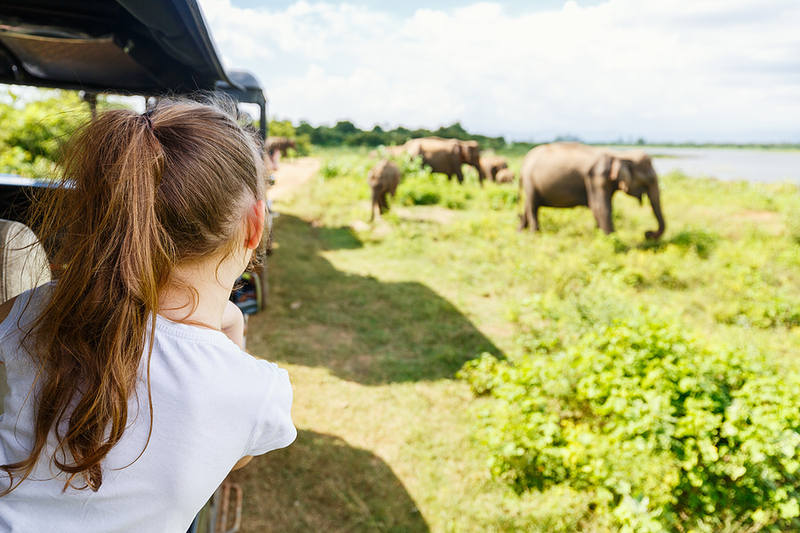
Timing can make a significant difference to how the whole experience goes. Dry seasons generally mean easier wildlife viewing and simpler travel conditions. Wetter months can be quieter and greener, though you might need more patience for sightings. Aligning travel dates with school holidays is often unavoidable, so it’s worth researching the best seasonal options within those periods.
Keeping travel days manageable is another important consideration. Long drives are tiring for children, let’s be honest, they’re tiring for adults too. Choosing itineraries with fewer transfers helps everyone maintain their enthusiasm and energy levels.
Packing thoughtfully plays a role as well. Neutral clothing, sun protection, reusable water bottles, binoculars that are suitable for smaller hands, all of it contributes to comfort and enjoyment. It’s the little things that add up.
Experiences That Actually Stick With You
A family safari is rarely about rushing from one sighting to the next. Instead, it offers these shared moments that unfold slowly. Watching the landscape change with the light. Listening to stories from guides who know the land inside out. Or simply sitting together whilst observing animals from a distance.
These experiences tend to leave a lasting impression. Not just as memories, though they are that, but as genuine lessons in awareness, responsibility, and appreciation for the natural world. For families looking for meaningful travel that encourages connection and learning, safari journeys can offer something truly distinctive. Something you can’t really replicate anywhere else.