

Staying independent at home becomes harder as mobility changes. For many older adults, the bathroom is the primary battlefield. Slippery surfaces and high bath edges turn a simple shower into a daily risk. It is more than a nuisance; it is a threat to dignity.
Modern walk in showers offer a practical escape from this cycle. By removing high thresholds and adding built in seating, these systems restore routine without requiring constant care. Finding the right setup is the priority for UK families ensuring their loved ones remain safe.
But choosing a design involves more than picking a style. You need to know how models fit existing layouts and what safety features actually matter. Funding like Disabled Facilities Grants exists, but the process is a bureaucratic maze. Don’t expect a quick fix. Patience is required.
Safety Features That Reduce Fall Risk in Walk In Showers
Walk in showers for the elderly work best when fitted with targeted safety features. Standard layouts often fail. Professional accessible walk in shower solutions provide the necessary structural stability that basic bathroom DIY lacks. It is about the right fit, not just the first one you see. Slip resistant flooring creates grip even on wet surfaces. Think high friction textures, not just suction mats. This makes accidents less likely. It is a common concern. Hospital admissions for falls in the bathroom spike for those over 65. Prevention is cheaper than a long hospital stay. Much cheaper.
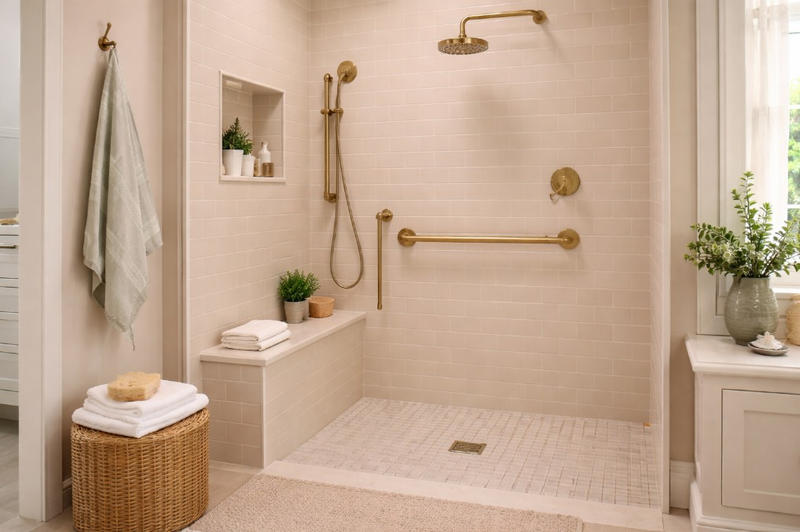
Grab rails are most effective when securely fitted at entry points. And within the shower. Obviously. They must be strong enough to support a person’s weight. No flimsy plastic here. Occupational therapists often help position them correctly. Precision is everything for safety and comfort. Home adaptations often start with these small, high impact changes.
Fold down or fixed seats make it possible to wash while sitting. For many, shower seating provides reassurance. It helps maintain regular personal hygiene without exhaustion. Weight limits and mounting points need checking before fitting. 150kg? 200kg? Know the limits. A collapse under weight is a nightmare scenario.
Thermostatic controls keep a steady water temperature. They prevent burns. Especially for users with sensory changes. Regular temperature checks are recommended. Shallow trays or level wet room setups allow easy access. They support those with substantial mobility issues. No more high stepping. Just walk in.
How Disabled Facilities Grants Support Bathroom Adaptations
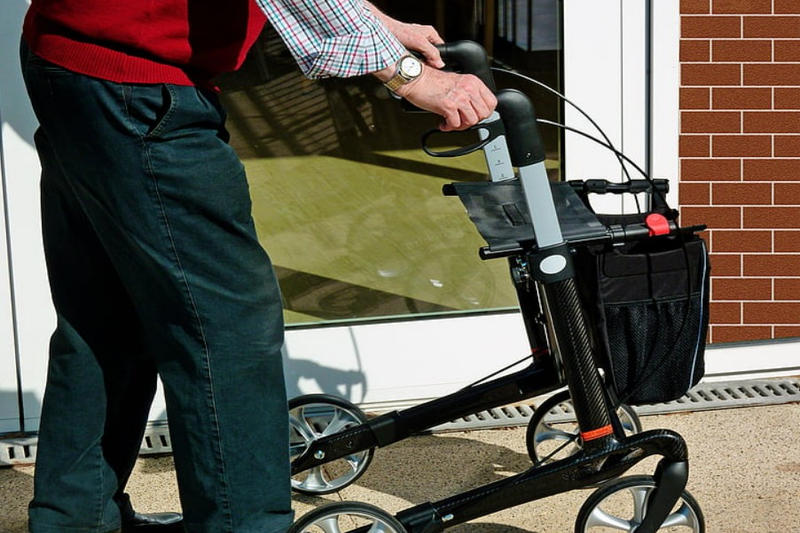
The UK’s Disabled Facilities Grant (DFG) helps fund the installation of accessible features. Maximum grant awards differ. England and Wales and Northern Ireland all have different caps. Uptake varies. Waiting times depend on local authority resources. And demand. Usually, the demand is high. These grants exist for eligible households, but the waiting lists are legendary.
DFGs support people with disabilities. If your ability to live at home improves with adaptations, you might qualify. A local authority financial assessment determines how much you must contribute towards the total cost. Both homeowners and tenants are eligible. Tenants require landlord approval. Get that in writing. Contact councils early. Forms and documentation requirements differ between local authorities. It is a bureaucratic maze.
Occupational therapists assess the resident. They recommend solutions in a written report. The council processes the application based on this professional input. Waiting lists for assessments can delay the process. Request an assessment as soon as possible. Avoid unnecessary delays. Staying informed about the latest policy and practice updates helps homeowners make decisions that last.
Approval times range from several weeks to a few months. If the application falls short or exceeds the main grant’s cap, discretionary funding might exist. Some councils offer top ups. Ask about them. Local authorities are struggling with funding, and updated rules for 2026 put even more onus on the individual. It’s a systemic gap.
Comparing Walk In Shower Models for Different Bathroom Layouts
No single design fits all spaces. Factors like bathroom shape, door location, and plumbing determine the match. Anticipating future mobility changes is vital. For wheelchair users, having space for a carer can influence the final choice. Think ahead. When looking for the best walk in shower, consider how the layout impacts your specific physical needs.
Corner walk in showers suit larger bathrooms. Two walls add support. They make it easier for carers to assist. Alcove showers fit into a recess. They replace a bath and use the room efficiently where space is tighter. Measuring the space accurately helps avoid design errors. Unsafe access or trip hazards are the result of poor planning.
Wet room options remove trays for flush level floors. Usually these are chosen for wheelchair users and high dependency situations. Correct waterproofing and adherence to the latest building standards prevent leaks and structural damage over time. Surface treatments are necessary. Nobody wants a costly repair later.
Outward opening or sliding shower doors make emergency access easier. They suit users with limited strength. All glass must meet UK safety standards. Tempered glass is the standard. It reduces risk of injury from breakage. Safety first.
Installation Process and Long Term Maintenance Planning
A professional surveyor visits first. They take measurements. Initial inspections must account for local water pressure to ensure the new system performs correctly. They review layout changes. The survey identifies plumbing issues. These need repair before installation. An initial survey prevents safety problems. And costly last minute changes. Plan for features like extra grab rails early. Or upgraded flooring.
Most installations are finished in one to three days. Rapid. Wet room setups take longer. They need extra waterproofing. Drainage work takes time. Bathroom access will be disrupted. Make contingency plans for personal care. A few days of disruption is better than a lifetime of risk.
Long term safety depends on maintenance. Anti slip bases need mild cleaning products. Harsh chemicals reduce grip over time. Avoid the bleach heavy stuff. Checking seals and door alignment every few months prevents leaks. Door jams are a safety risk. Thermostatic valves require scheduled servicing. The installer usually outlines this at handover.
Securing your independence starts with a single, smart change to the most dangerous room in the house. By upgrading to a modern walk in shower, you bridge the gap between physical limitations and emotional freedom. It is about staying in the home you love with the dignity you deserve. Take that step today and reclaim your peace of mind.