
A shower leak behind a wall might start small but can quickly become a costly and damaging problem if left unchecked. Hidden leaks are one of the trickiest types of plumbing faults because they aren’t visible at first glance.
They quietly damage structural elements, fuel mould growth, and increase your water bills without obvious triggers. Portland’s older housing stock and rainy climate make it even more important for homeowners to spot the early warning signs before minor moisture turns into rot and repair bills.
Early detection is the best way to protect your home, your health, and your budget.
Why Hidden Shower Leaks Happen
Shower leaks behind walls can occur for several reasons. Faulty sealant or grout around tiles is a common starting point. Over time, water can penetrate behind the surface and saturate plasterboard or timber framing. Pipes that run behind bathroom walls may also suffer from age-related corrosion or joint wear, and sudden temperature changes in Portland’s wet season can accelerate material fatigue. Structural movement or poorly installed fixtures can compromise waterproofing layers, letting water escape unnoticed. Whatever the cause, the real danger is that moisture continues seeping into unseen spaces, leading to bigger problems long before you ever detect the issue.
Key Warning Signs to Look For
Persistent Damp Smells and Mould
One of the earliest signs of a hidden leak is a musty or damp smell that you can’t trace to an obvious source. Water trapped behind walls creates a perfect environment for mould and mildew, which thrive in dark, moist conditions. You might not see mould at the outset, but if that musty odour lingers even after cleaning, there’s a good chance water is escaping somewhere behind the tiles. Regularly check neighbouring rooms and closets for subtle signs in places you would not normally associate with moisture.
Discoloured Walls or Bubbling Paint
Water stains on walls or ceilings are classic visual indicators of hidden leaks. Discolouration often appears as brown, yellow, or darker patches and can spread gradually over time. Bubbling or peeling paint and wallpaper also signal that moisture is trapped behind the surface. These issues usually precede structural damage and point to a sustained leak that needs prompt attention before it further compromises wall materials.
Loose Tiles or Hollow Sounds
Tiles that have detached from the wall or produce a hollow sound when tapped can indicate that water has penetrated the adhesive layer behind them. Once water gets behind tiles, it breaks down the bond with the wall and weakens the tile. You might also notice that grout begins to crack or crumble more easily in affected areas. This is a sign that water has been present for some time and that the leak isn’t just surface-level splash moisture from everyday showering.
Increased Water Bills Without Explanation
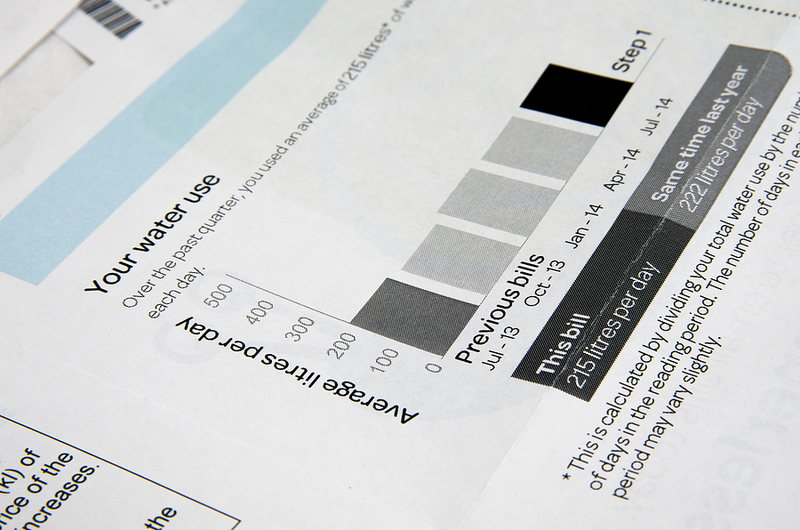
A sudden or unexplained increase in your water bill is a reliable clue that water is escaping somewhere in your plumbing system. If household usage hasn’t changed but costs climb month after month, hidden leaks are a strong suspect. Because even small leaks can waste hundreds of gallons of water, noticing a pattern in bills warrants prompt investigation with professional tools or services.
Sounds of Water When Fixtures Are Off
Hearing running water when no taps, appliances, or showers are in use is a surprising but clear indicator of a hidden leak. Pipes behind walls should be silent when everything is off. A persistent trickle or gurgling sound can indicate a leak in a pressurised line. Trusting your ears as well as your eyes can help you catch issues before visible damage appears.
Warped Trim or Soft Skirting Boards
Timber elements, such as skirting boards or door frames near the bathroom, can absorb moisture and begin to warp, soften, or swell. This is especially noticeable in wood floors, door casings and baseboards adjoining wet areas. Because timber reacts quickly to moisture, visible changes in its shape or firmness can point to a leak behind adjacent walls or floors, even before plasterboard shows obvious signs.
Drops in Water Pressure
Unexpected reductions in water pressure, especially at shower or bathroom taps, could indicate that water is escaping before it reaches the outlet. Low pressure can also indicate blockages caused by pipe corrosion or mineral build-up. Still, when it’s accompanied by other signs, such as dampness or higher bills, hidden leaks should be investigated.
What to Do If You Spot These Signs
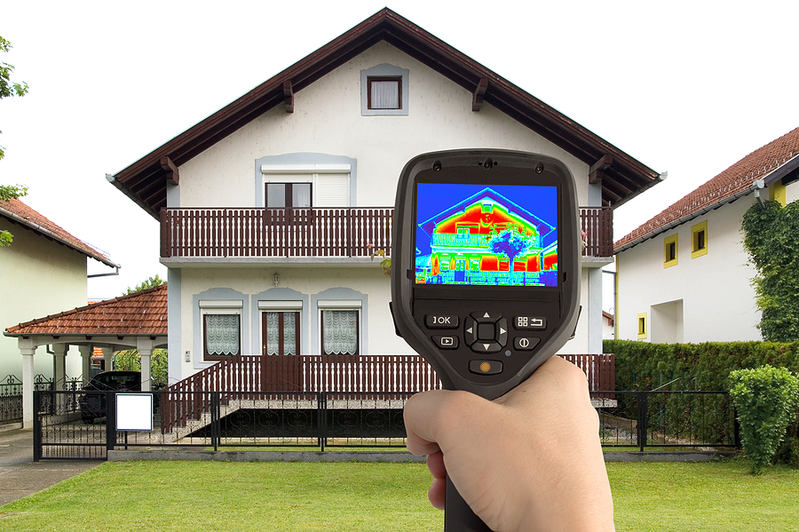
If you notice any of the warning signs above, acting quickly can prevent extensive repair work and expensive structural damage. Start with a basic inspection of visible areas, check your water meter for continual movement when all indoor water is off, and note any patterns in moisture or odour. However, because shower leaks behind walls are hidden by definition, specialised tools like moisture meters, thermal imaging cameras, and acoustic listening devices are often needed to pinpoint the exact problem. These tools help locate leaks without causing unnecessary damage to walls or flooring.
Professional leak technicians can confirm whether a hidden issue exists and recommend the least invasive way to access and repair it. In Portland, options range from local contractors who use advanced diagnostic technology to city programmes that help residents manage water waste and repair costs.
Benefits of Professional Leak Detection
Timely Professional Leak Detection Services can save you money and protect your home in several ways. First, it helps reduce wasted water and prevents unnecessary bill increases. Second, early identification stops hidden moisture from encouraging mould growth, which can harm indoor air quality and your family’s health. Third, it limits structural damage to plasterboard, drywall, and wooden frameworks, avoiding broader restoration projects later on. Finally, locating the exact source of a leak with non-destructive equipment minimises disruption to your living space and preserves your interior finishes.
How Leak Detection Services Work
Expert teams typically start with a visual assessment followed by non-invasive testing. Thermal imaging can highlight cool, wet spots behind walls, while listening devices pick up the sounds of water escaping from pressurised lines. Moisture meters gauge dampness levels in suspect areas, and pressure testing can reveal abnormal pressure drops indicative of leaks. Once the source is located, professionals provide clear repair and long-term solution options, saving time and reducing guesswork.
Conclusion
Hidden leaks behind shower walls may not be obvious at first, but the signs are there if you know what to look for. Musty smells, discolouration, raised water bills, and unusual sounds all point to potential problems that should not be ignored. Catching these issues early helps protect your home, your health, and your finances. Working with experienced professionals ensures the leak is identified accurately without unnecessary disruption to walls or tiles.
If something feels off but you cannot see the source, it is often best not to wait. Hidden leaks rarely resolve on their own and usually become more expensive the longer they are left. Jones The Pipe supports Portland homeowners by quickly and carefully pinpointing concealed plumbing issues. A professional check today can prevent structural damage tomorrow and give you confidence that your shower and internal plumbing are working exactly as they should.