
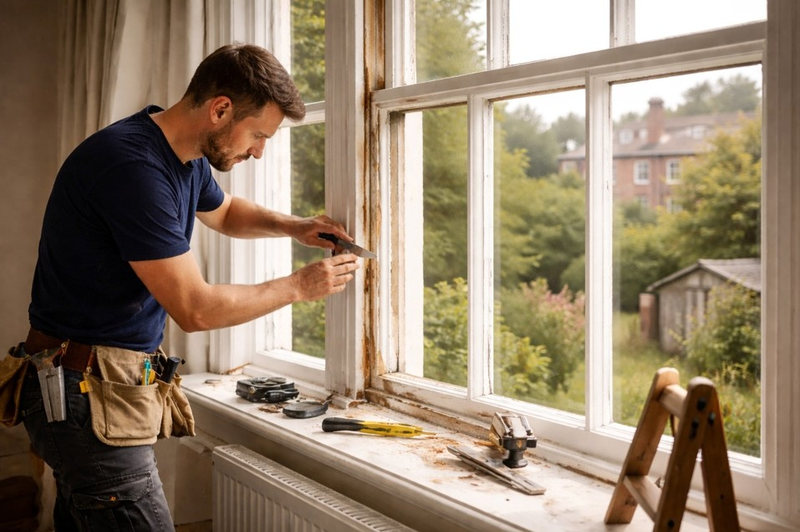
If you live in a period property, you’ll know the feeling: the heating is on, the windows are shut, and yet the room still feels slightly hostile. There’s that constant chill near the glass, the faint rattle when the wind picks up, and the sense that warm air is escaping faster than your boiler can replace it.
The crucial thing many homeowners do not realise is that, with traditional windows, the main problem often is not the glass itself. It is the gaps. As Historic England explains in its guidance on draught-proofing windows and doors, with a typical traditional window, less than a quarter of heat loss happens through the glass by conduction. The rest is driven by draughts and air infiltration. In simple terms, if air is leaking, you feel colder, and you usually respond by turning the heating up and leaving it on for longer.
This is why “new glass” on its own does not always solve “cold window” discomfort. When a sash has slack in it, when the beading is worn, or when the meeting rails no longer land snugly, airflow becomes the real story. And, unsurprisingly, that tends to get worse over decades of use.
Repair Beats Replacement More Often Than You Think
There is a common and expensive assumption that old timber windows are finished once they start sticking, letting in draughts, or showing signs of rot. In reality, conservation guidance usually points in the opposite direction: repair first, replace only when you truly have to.
That is not just sentimental heritage thinking. It is practical. Older timber windows were built to be repaired. In many cases, a skilled overhaul costs less than full replacement, preserves the original proportions, avoids unnecessary loss of historic fabric, and extends the working life of the window for years. The SPAB’s advice on timber windows makes this point clearly, warning that many original windows survive far longer than supposedly “modern” replacements.
From a comfort and running-cost perspective, windows matter more than people think. But that does not automatically mean ripping them out. If anything, the smarter next step is usually to make them work properly again.
If you are already thinking more broadly about efficiency in an older home, it also helps to compare windows with the rest of the building envelope in a wider period property maintenance guide.
What Proper Refurbishment Actually Includes
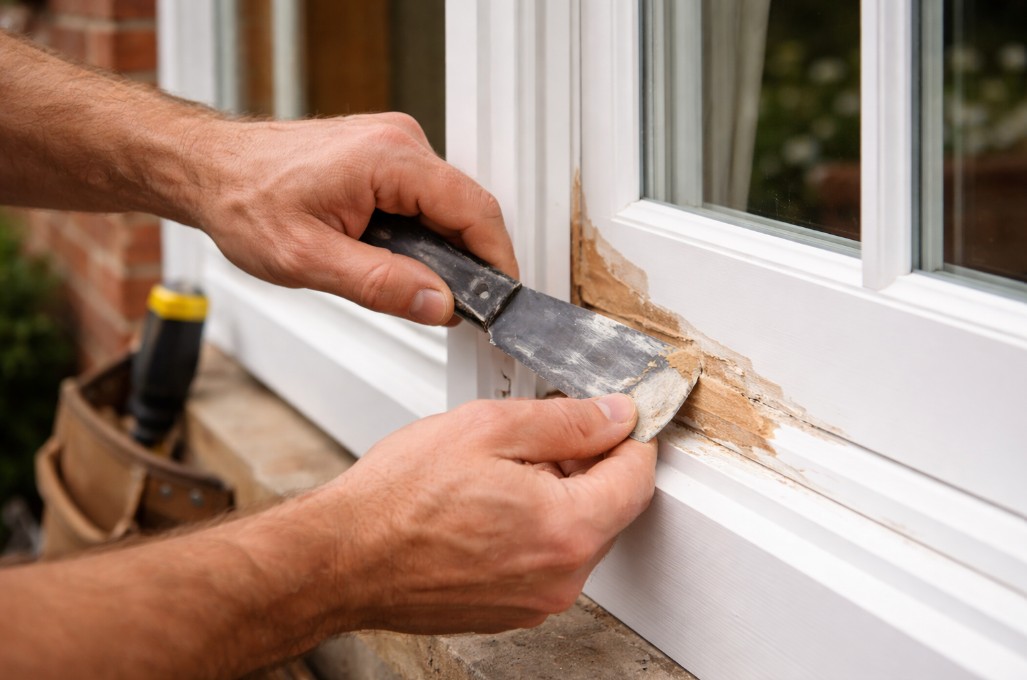
A good sash window refurbishment is much closer to a mechanical overhaul and timber repair programme than a cosmetic tidy-up. At its best, it restores how the window moves, how it seals, and how it stands up to British weather, all while keeping the proportions that make the façade look right in the first place.
In practical terms, that often includes removing decayed timber and replacing only the affected sections rather than swapping out the whole window. It can also involve replacing sash cords, correcting balance issues, easing seized sashes, renewing beads, tightening up loose movement, and dealing with the kind of play that causes rattles on windy nights.
It also means treating putty, paint, and hardware as functional elements, not just decorative ones. Re-puttying protects glazing lines from moisture. Proper paint systems defend exposed timber from weathering. Better locks, lifts, and fasteners improve not only security, but also that solid, satisfying sense that the window closes as it should.
That is why the philosophy matters as much as the craftsmanship. The real goal is not to make an old window look decent for one season. It is to get decades more life out of something that was designed to be repairable in the first place.
The Subtle Energy Upgrade: Draught-Proofing and Slim Glazing
If you want the biggest comfort gain without changing the character of the house, the first move is usually draught-proofing done properly. This is often the most effective low-intrusion upgrade because it tackles the actual cause of discomfort: uncontrolled airflow.
Done well, discreet draught seals can reduce rattling, improve acoustic comfort, and make a room feel warmer without changing the appearance of the window in any obvious way. For many period homes, that is the sweet spot between comfort and conservation.
There is also a financial angle homeowners sometimes overlook. In the UK, certain energy-saving measures may qualify for reduced or temporary zero VAT treatment when supplied and installed in residential accommodation, depending on timing and eligibility. That makes careful upgrades more attractive than many owners assume at first glance.
What About Double Glazing in Original Sash Windows?
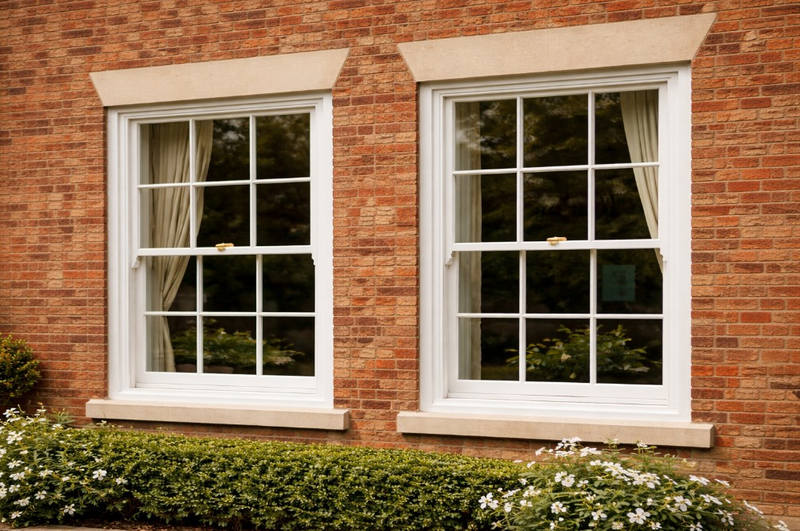
This is where many period-home owners feel stuck between two bad options: keep the original windows and accept the discomfort, or replace them and lose the proportions that suit the building.
That is why slim-profile glazing solutions have become such a talking point. The idea is straightforward: improve thermal performance while keeping the original frame and sightlines as intact as possible. In the right building, this can feel less like replacement and more like a quiet upgrade.
One specialist working in this space is Six over Six Windows, which outlines services such as restoration, draught-proofing, decoration, hardware upgrades, and vacuum-glass retrofits for period timber windows.
Whether that route is appropriate depends on the building itself and, in listed buildings or conservation areas, what the local authority will accept. But as a concept, it appeals to homeowners for a simple reason: preserve the look, improve the comfort, and keep the house feeling like itself.
When to Call an Expert and What to Ask
If you are noticing any combination of the following, it is usually time to stop living with it and start with a proper assessment:
- The sash sticks, jams, or will not stay open
- You can feel draughts even when everything is closed
- There is rattling or movement in windy weather
- Paint is failing and timber feels soft at exposed edges
When you speak to a sash specialist, the most useful questions are often the least sales-focused.
- What would you repair first, and what would you leave original?
- How would you improve comfort without changing the look?
- If the building is listed or in a conservation area, what permissions might apply?
- How will you deal with balance and mechanics if glazing weight changes?
Those questions usually tell you very quickly whether you are speaking to someone who understands old windows as repairable parts of a building, not just units to be swapped out.
For most period properties, that distinction matters. The cold feeling beside an old sash window is often not proof that the window has reached the end of its life. More often, it is simply proof that it needs the kind of repair and upgrading work it should have had years ago.