

Short winter days leave many UK homes feeling dim and enclosed. Limited daylight makes rooms seem smaller and reduces the sense of warmth that people rely on during colder months. With the right adjustments, even homes with minimal natural light can feel more open and uplifting. Small design choices influence how light moves through a space and help create brighter rooms without major alterations.
Why Reduced Daylight Shapes the Atmosphere Indoors
Winter months in the UK bring shorter days, frequent cloud cover and long periods of low-angle sunlight. This combination limits the amount of natural light that reaches interior spaces. North-facing rooms often receive little direct light, while small windows, basement areas and single-aspect flats struggle to distribute brightness evenly. These conditions affect daily comfort and may influence energy levels or mood for many households.
Some spaces respond more noticeably to seasonal darkness. Kitchens and living rooms with limited glazing tend to feel flat and subdued. Bedrooms with heavy window coverings trap shadows that linger throughout the day. Improving the distribution of daylight helps restore balance and supports a more energising atmosphere during darker months. Midway through this process, many homeowners explore Daylight systems to brighten your home as part of a broader approach to enhancing natural illumination.
How Mirrors Redirect Light Throughout a Room
Mirrors remain one of the simplest ways to lift a space during winter. When placed with intention, they gather available light and reflect it across deeper areas of a room. Positioning a mirror opposite a window helps draw daylight further indoors, even on overcast days. In narrow hallways, a large mirror can soften enclosed areas and create the perception of length. Behind a lamp, a mirror enhances the effect of artificial lighting and spreads brightness more evenly.
Different styles influence how light behaves. Convex mirrors scatter illumination across a wider field. Mirrored furniture reflects light upward and prevents shadows from settling near the floor. Smaller accent mirrors placed together add depth and help disperse light into corners that typically remain subdued.
Designing a Mirror Gallery Wall That Enhances Light

A mirror gallery wall serves both aesthetic and practical purposes. When arranged thoughtfully, it reflects light from multiple angles and transforms the feel of a room. Combining various shapes and sizes prevents the display from feeling rigid and allows reflected light to reach more surfaces. Leaving small gaps between each piece keeps the wall visually balanced and echoes common mirror arrangement techniques used to direct brightness across a wider area.
Blending decorative frames with plain reflective pieces adds character without sacrificing function. Vintage mirrors introduce texture, while modern designs offer clean, uninterrupted surfaces. Together, they create a focal point that contributes directly to a brighter environment.
Window Treatments and Glass Options That Maximise Daylight
The choice of window coverings has a noticeable effect on room brightness. Heavy fabrics absorb daylight before it enters a space, which can leave interiors feeling muted.Lighter curtains made from sheer materials allow far more light to filter through, while still providing privacy. These options work well in living rooms, bedrooms and shared family spaces where light window treatments support natural illumination.
Frosted window films provide privacy while maintaining brightness. They diffuse light rather than blocking it, making them suitable for bathrooms or windows that face busy streets. Keeping glass clean, particularly during winter when grime accumulates faster, helps maintain clarity and improves the level of daylight entering each room.
Seasonal adjustments also make a difference. Many households switch to airy fabrics during winter to increase daylight, then return to thicker coverings in summer to control heat and glare.
Roof Windows and Light Tubes for Upper-Floor Rooms
Roof windows draw in far more daylight than vertical windows because they face the sky directly. Even on grey days, they receive a steadier level of light. Homes with loft conversions or upper-floor rooms benefit significantly from this type of installation. When roof access is limited, light tubes offer an alternative that channels daylight from a rooftop dome into interior spaces. This approach introduces natural light to corridors, bathrooms and other rooms without exterior walls, helping homeowners maximize natural light in areas that would otherwise remain dim throughout the day.
Installation costs vary across UK properties, influenced by roof type and internal layout. While professional fitting is recommended, the long-term improvement in brightness makes these solutions valuable for homeowners seeking a more balanced distribution of light.
Using Colour and Surface Choices to Reflect More Light
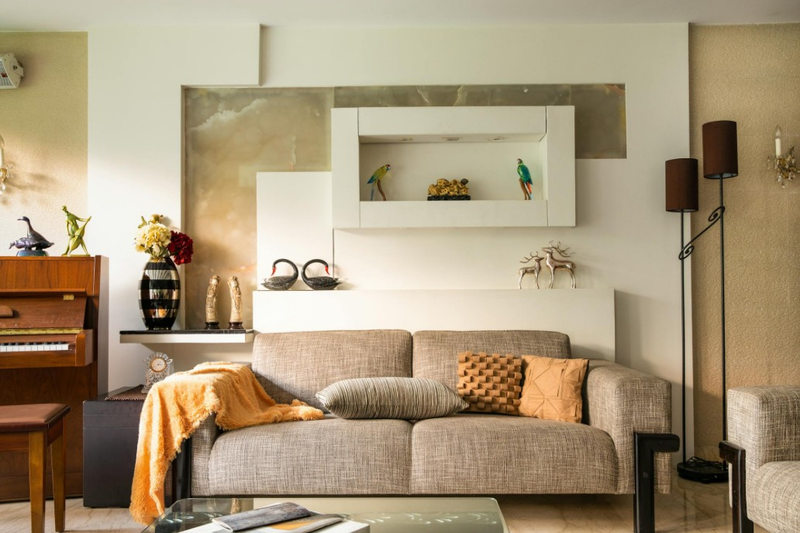
Colour plays a central role in how bright a room appears. Light shades reflect significantly more illumination than darker tones, reducing shadowed areas and lifting the overall mood of a space. White trims and mouldings create crisp edges that help light travel across walls. Soft whites, pale pastels or muted warm tones work well for main surfaces without creating a stark or clinical effect.
Flooring also influences brightness. Light-coloured wood, laminate or stone surfaces reflect more light, while darker floors absorb it. Placing a pale rug in a room with dark flooring softens the contrast and aligns with light flooring ideas that support a brighter visual tone.
Gloss and satin finishes reflect more light than matte alternatives, though they should be chosen carefully to avoid excessive glare. Subtle sheen often provides the best compromise for winter interiors.
Building Effective Lighting Layers That Reshape a Room
Artificial lighting becomes essential during darker months, but a single overhead bulb rarely produces even illumination. A layered approach offers a more natural result. Ambient lighting provides the foundation, creating a soft background glow. Ceiling fixtures with high colour accuracy mimic daylight more closely and reduce harsh contrasts. Task lighting supports specific activities, from reading to meal preparation, while accent lighting highlights architectural features or decorative objects.
Modern smart lighting systems contribute to a more responsive indoor environment. Dimmable bulbs and tunable white LEDs adjust throughout the day, shifting from cooler tones in the morning to warmer tones in the evening. These changes align better with circadian rhythms and offer a smoother transition through winter days when natural sunlight is limited.
Choosing bulbs with appropriate colour temperatures strengthens this effect. Daylight bulbs around 4000–5000K provide clarity in kitchens or home offices, while warm white bulbs create a gentler tone for living rooms. LED options remain the most efficient choice and align with energy efficient lighting standards, offering long-term performance without increased energy use.
Full-spectrum lighting enhances colour accuracy and supports a more natural visual environment. It is particularly useful in rooms where natural light is minimal for most of the day, helping maintain a sense of balance and comfort during winter.
Winter light does not need to limit the comfort of a home. Small, intentional choices in colour, surfaces and lighting design reshape how each room feels, even on darker days. Combining reflective materials, thoughtful window treatments and balanced artificial light helps every corner feel clearer and more welcoming. These adjustments bring a sense of ease and warmth back into daily life, turning dim spaces into brighter and more uplifting rooms.