

A healthy lifestyle is more than eating well or exercising occasionally. It’s a combination of consistent habits, mindful choices, and everyday actions that help you feel grounded, productive, and happy. In a world full of digital noise, busy schedules, and constant pressure, finding balance is both a challenge and a necessity.
The Connection Between Daily Habits and Long-Term Health
Every small choice you make adds up. Drinking water first thing in the morning, walking instead of driving, preparing a balanced meal, or setting aside five minutes to breathe deeply can significantly affect your long-term health. These habits create stability and reduce stress. For leisure, data-driven platforms such as bizbet illustrate how personalization and analytics are now part of downtime too – when engaging with these services, always check legality in your jurisdiction and use responsible-play tools.
Modern Influences on Well-Being
Technology, work-from-home culture, and fast-paced lifestyles have transformed how we live. Many people struggle to disconnect, which impacts sleep, stress, and emotional balance. A healthy lifestyle today requires intention – consciously choosing actions that support your mental and physical well-being.
Nutrition as the Backbone of a Healthy Life
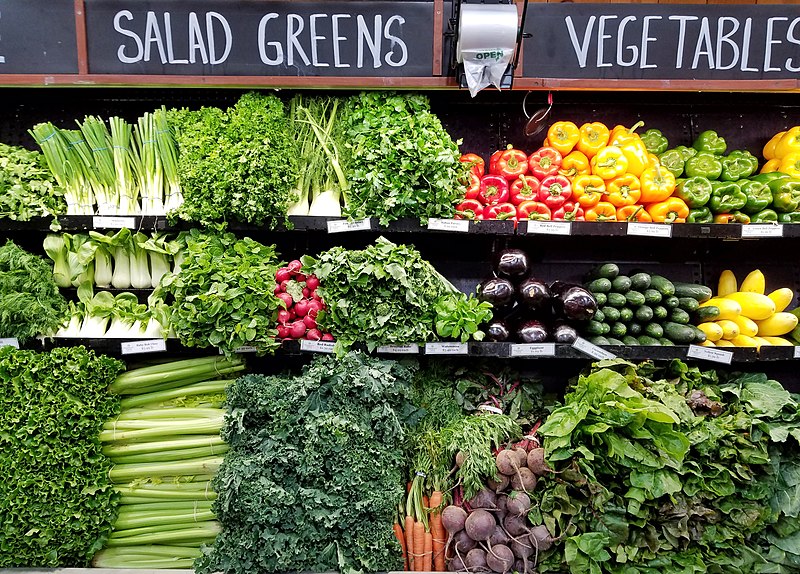
What you eat directly affects your energy, mood, and immune system. Good nutrition doesn’t need to be restrictive; instead, it should be approachable and enjoyable.
Eating for Energy and Mental Clarity
Whole foods – such as vegetables, lean proteins, whole grains, nuts, and fruits – provide the nutrients your body needs to stay active and focused. Avoiding processed foods helps minimise energy crashes, irritability, and sluggishness.
Hydration and Its Role in Body Balance
Many people underestimate how transformative hydration can be. Water supports digestion, skin health, cognitive function, and sleep. It’s one of the simplest ways to feel better quickly.
Building a Fitness Routine That Works for You
Exercise supports nearly every part of a healthy lifestyle, from mood to metabolism. But fitness doesn’t need to be complicated or time-consuming.
Everyday Movement for Busy People
Short walks, stretching sessions, or 15-minute bodyweight workouts are enough to maintain strength and flexibility. Consistency matters more than intensity.
Outdoor Activities and Their Mental Benefits
Spending time outside can dramatically reduce stress. Activities such as jogging, hiking, cycling, or even casual strolls improve both physical and mental health.
Mental Health, Mindfulness, and Personal Development
A sustainable healthy lifestyle includes caring for your mind just as much as your body.
Stress Management Strategies That Actually Work
Long-term stress can impact relationships, sleep, and productivity. Helpful strategies include:
- Deep breathing exercises
- Journaling
- Meditation
- Short digital detox periods
- Talking to someone you trust
These small practices ease anxiety and create emotional space for growth.
How Self-Growth Supports a Healthy Lifestyle
Personal development – setting goals, learning new skills, or reflecting on your strengths – helps build confidence and purpose. Growth encourages healthier daily choices and increases motivation to stay consistent.
Social Life, Recreation, and Balance

Healthy living also includes joy, fun, and connection. A full life is not only about discipline – it’s about balance.
The Importance of Community and Human Connection
Strong social connections reduce loneliness, increase happiness, and support mental well-being. Spending quality time with friends or family helps create a healthier emotional environment.
Financial Wellness as Part of Holistic Health
Money affects mental wellbeing more than most people realise. Building healthy financial habits contributes to a more stable and confident life.
Smart, Sustainable Money Habits
Tracking spending, planning meals, saving small amounts regularly, and avoiding impulsive purchases help reduce financial anxiety. You don’t need a complex system – just clarity and consistency.
Keeping Recreational Spending Balanced
This includes fun expenses like outings, hobbies, subscriptions, or even occasional sports betting. Responsible spending ensures that leisure remains enjoyable rather than stressful.
FAQs
-
What is the most important part of a healthy lifestyle?
Consistency. Small daily choices have the strongest long-term impact.
-
How can a beginner start living healthier?
Begin with simple steps: drink more water, eat balanced meals, move daily, and set a regular sleep routine.
-
How does mental health influence lifestyle?
Your emotional state affects your motivation, discipline, relationships, and daily choices.
-
Why is sleep so important?
Sleep restores your brain and body, boosts immunity, supports mood, and improves focus.
-
How can I balance work, health, and personal life?
Plan your days intentionally, set priorities, take short breaks, and avoid overloading your schedule.
Conclusion
A healthy lifestyle isn’t about perfection – it’s about making thoughtful choices that support your overall well-being. By focusing on nutrition, movement, mindfulness, social connection, and responsible recreation, you build a balanced life that feels rewarding and sustainable. Every positive choice, no matter how small, contributes to your long-term growth, happiness, and health.