
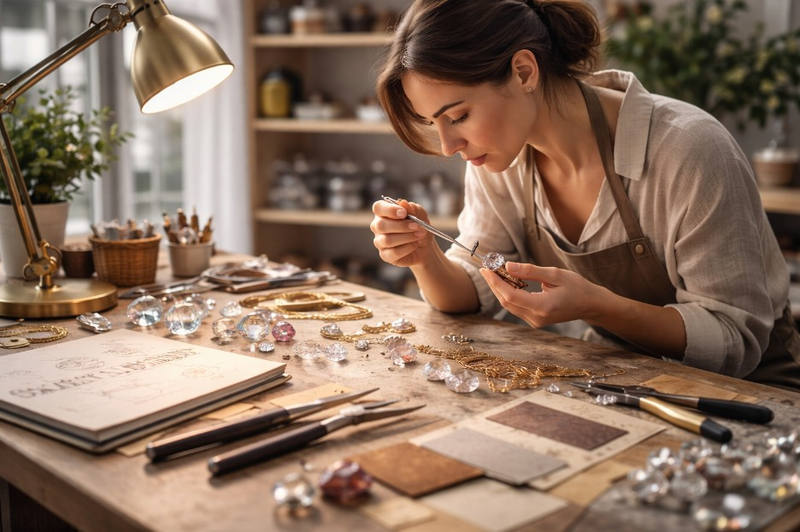
In the world of design and craftsmanship, the pursuit of quality is as vital as creativity and innovation. Whether you’re a seasoned designer or a passionate maker, the materials you choose can significantly impact your work’s aesthetic and functional outcomes. This principle holds especially true for those who incorporate crystals into their designs.
Investing in high-quality materials, such as crystals, goes beyond just appearances; it reflects on overall craftsmanship and longevity of your creations.
The Foundation of Quality in Design
Quality materials influence not only how a product looks but also how well it performs over time. When designers choose high-grade supplies, they are making a statement about the integrity of their work. This emphasis on quality creates a ripple effect throughout the design process.
- Durability: High-quality materials tend to have better longevity. For instance, if you’re using crystals for jewelry, opting for durable stones will ensure that your pieces withstand wear and tear, enhancing customer satisfaction.
- Aesthetic Appeal: Quality materials typically have superior finishes, colors, and textures. This holds true for high-quality crystals for design work. Whether you’re setting them in pendants or using them in larger installations, the impact they have on your final product is undeniable. The clarity, brilliance, and cut of a crystal can elevate your work to new heights, ensuring it attracts attention and admiration.
- Sustainability: High-quality materials are often sourced in a more sustainable manner, which is becoming increasingly important in today’s market. Designers and makers who care about their ecological footprint can feel more confident in using premium materials that support ethical sourcing.
When it comes to crystals specifically, the market is filled with options, but how do you ensure you’re choosing the best? Understanding the variations among different types of crystals can drastically enhance your design work.
Craftsmanship and Consumer Perception

Quality doesn’t just affect the product; it impacts how customers perceive your brand. When consumers associate your work with luxury and durability, they are likely to become repeat customers and spread positive word of mouth. Here’s why investing in quality matters for establishing brand reputation:
Customer Loyalty
- When customers invest in quality products, they tend to attach greater emotional value to them. A necklace made with high-quality crystals isn’t just jewelry, it becomes a cherished item.
- First-time buyers are more predisposed to return if their initial experience with your product is positive.
Pricing and Profit Margins
High-quality materials often allow designers to justify a higher price point. Consumers are frequently willing to pay more for items they perceive as valuable and lasting. By investing in quality, you can not only maintain healthy margins but also cultivate a brand that upholds the principles of quality over quantity.
The Creative Process Benefits
Choosing high-quality materials also grants designers more freedom creatively. With superior materials, designers can push the boundaries of what their crafts can achieve.
Enhanced Techniques
- Quality materials often allow for more intricate techniques to be employed. For example, in jewelry making, the right type of crystal may lend itself better to unique settings or finishes than a lesser quality stone.
- Innovations in design often occur when creators feel confident about the integrity of their materials, allowing them to experiment and pivot quickly through the design process.
Versatile Applications
High-quality materials often afford more versatility in how they can be applied. A durable crystal can be used in jewelry, interior design, or even more functional items, without compromising on aesthetics or function. This opens the door to collaborations and adaptive designs that cater to diverse customer needs.
Balancing Quality and Budget

While the benefits of investing in quality are clear, budget constraints can make this challenging, especially for emerging designers and makers. Here are a few strategies to balance quality with cost:
- Prioritize Key Projects: Instead of trying to use premium materials for every piece, select key projects where quality will have the most significant impact.
- Bulk Purchasing: If you find a reliable supplier of high-quality materials, consider bulk purchasing. Not only can this lower the per-unit cost, but it also ensures consistency in your projects.
- Build Relationships: Establish long-term relationships with suppliers who can provide you with quality materials at a competitive price. Engaging in regular conversations can also point you toward deals that you wouldn’t find on your own.
Conclusion
Investing in quality is not merely a financial decision; it’s one rooted in a deeper commitment to craftsmanship, brand integrity, and customer satisfaction. For designers and makers, particularly those incorporating elements like crystals into their work, quality materials can significantly elevate the entire creative process.
Whether you are an established artisan or an aspiring designer, your choice of materials will ultimately define your work. As the landscape of design continues to evolve, focusing on quality will undoubtedly help you stand out, not just in aesthetic appeal but in the lasting impression you leave on your audience. Making informed choices about materials will not only enhance your creations but also cultivate a loyal customer base excited to return for future offerings.