
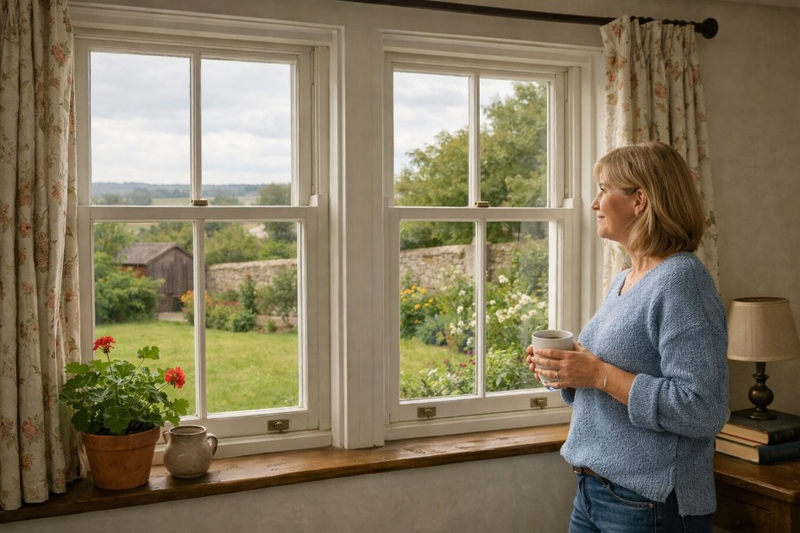
A cold, draughty room is easy to dismiss as one of those “old house quirks”. For many older adults, though, it can kick off a quiet domino effect: more fall hazards, more damp, and more money drifting out of the house. The uncomfortable truth is simple. A chilly corner rarely stays just chilly. It usually turns into the “stuff corner” full of heaters, cords, extra rugs, and whatever else you grabbed to feel warm.
When a home loses heat through tired window joinery, people compensate in practical ways. They drag a heater closer, they add an extension lead, they hang thicker curtains, they shuffle furniture to trap warmth. If you live in a period property and want to understand what’s realistically fixable, a quick look at Scott James Sash Windows Specialists can help you see what “restoration” actually means in plain English, not sales talk.
The Hidden Chain Reaction from a Draught to a Fall
A draught rarely arrives alone. It brings habits with it. A portable heater sits right where you walk. A cable snakes across the floor like an invisible tripwire. A rug gets added to “stop the cold coming up”, then curls at the edge. Suddenly, the room that used to feel cosy feels like a small obstacle course.
For older adults, this matters because falls often happen during ordinary moments, not dramatic ones. Turning to answer the phone. Carrying tea to the sofa. Getting up in the evening when the room is dim and the floor is colder than expected. A draughty house nudges people into makeshift solutions, and makeshift solutions are rarely designed with stability in mind.
Why Old Windows Create Condensation and Why it Matters
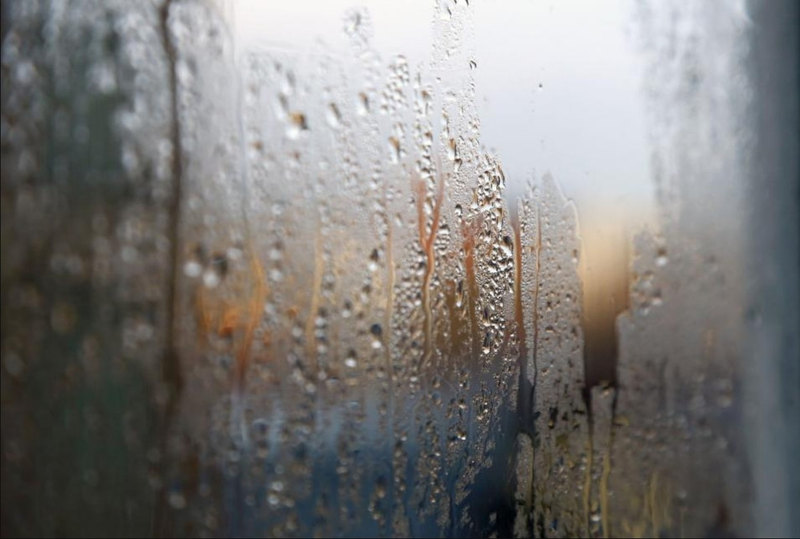
If you have ever run a cloth along the inside of a window and ended up with a damp sleeve, you are not losing your mind. That water is simply the room’s warm air turning back into liquid the moment it hits a surface that is much colder than everything around it. In older houses, the glass often takes the brunt of it, especially when the window is a bit leaky and cold air keeps chilling the pane from the edges.
Condensation is not just a nuisance. It can make timber sills damp. It can encourage mould around the frame. It can create slippery patches on painted wood, especially if you lean in to open the window or clean it. It also hints at a broader comfort issue: the home is not holding heat well, so the heating runs harder to fight the chill.
There is also the wellbeing side. Damp and mould can aggravate breathing problems. A musty bedroom can disrupt sleep. And when people feel colder indoors, they often move less, which is the opposite of what most of us want as we age.
Quick Improvements you can do Today without Turning the House Upside Down
You do not need a full renovation to reduce the worst draughts. A few targeted changes can make the home feel calmer, warmer, and safer.
Start with the simple gaps. Check for obvious air leaks around the frame and the meeting rails. Draught sealing strips can help, as can re seating loose beads, but avoid forcing anything if the window is sticking hard. A stuck sash is often a sign of paint build up or cord issues, and brute force can crack glass or damage timber.
Make curtains work smarter. Thick curtains help, but they should not block vents or sit on radiators. If you want warmth without turning the living room into a cave, thermal linings can reduce heat loss while still letting daylight do its job.
Manage indoor moisture. Condensation is often worse when the home is humid. Use extractor fans, keep lids on pans, dry laundry with airflow, and consider a dehumidifier if a room is persistently damp. Aim for steady comfort rather than tropical heat bursts that spike moisture.
Reduce trip hazards created by “temporary” heating. If a heater is essential, place it where you will not walk past it, and keep cables tight to the wall. The safest cable is the one you do not have to step over.
When DIY Stops Being Smart
Some problems are not really “draught problems”. They are window health problems wearing a draughty disguise. If you keep patching and the room still feels like it is breathing on you, it may be time to step back and ask what is actually going on.
Watch for these warning signs.
The sash rattles in the wind. That movement is not just noise. It is air flow, and air flow drives heat loss and condensation.
The window sticks or slams shut. That can mean swollen timber, paint build up, or failing cords and weights. For an older adult, a window that is difficult to open becomes a safety issue, especially in warm weather or during a kitchen mishap when ventilation matters.
You see soft timber, flaking paint, or persistent damp. Surface painting without addressing moisture can trap the problem and speed up decay.
Condensation keeps returning even after you manage humidity. If the glass is always cold and the room feels draughty, the window is likely leaking air or has poor contact between moving parts.
At that point, talking to Sash windows restoration specialists can be the difference between a quick fix and a recurring problem.
The Money Question for Retirement Planning: Spend Once or Pay Monthly

Draughty windows often create “quiet costs”. Not dramatic bills that scream for attention, but steady leaks that drain comfort and money. It is a bit like a slow puncture on a car tyre. You can keep topping it up, or you can fix the puncture and stop thinking about it every week.
For retirees, predictable spending matters. If a home wastes heat, winter costs become less controllable. That can nudge people into “camping mode”, where you heat one room and treat the rest of the house like it is outdoors. The trouble is, the colder rooms often answer back with damp and that familiar musty smell. Or you start trusting portable heaters to do the heavy lifting, and suddenly you have hot metal, trailing cords, and a living room that looks like it has been wired by a particularly chaotic octopus. A well planned repair or restoration can feel like a gulp inducing expense at first, but it usually cuts down the constant little hacks that steal comfort day after day.
Just as important, a warmer, drier home supports health. Comfort is not a luxury when you are trying to age in place. It is part of staying steady on your feet, sleeping well, and avoiding the kinds of small accidents that turn into bigger problems.
A Safer Winter Setup Checklist for Older Adults
- Keep walkways clear. If you use a heater, position it away from the route between chair, door, and bathroom.
- Tame the cables. Use shorter leads where possible and keep them against walls, not across open floor space.
- Reduce condensation hotspots. Wipe moisture from sills, ventilate after cooking and bathing, and keep airflow steady.
- Check windows for safe operation. If a sash is hard to lift, do not force it. A sudden slip can cause a fall or broken glass.
- Use light like a safety tool. Dark rooms plus rugs plus cables is a risky mix. Add a lamp where you stand up most often.
- Do a seasonal “draught walk”. On a windy day, move room to room and notice where you feel cold air. That is usually where the hazards and the hidden costs begin.
Warmth is Also Safety
When families think about ageing in place, they often focus on grab rails, stair lifts, and bathroom changes. Those are important, but warmth and dryness belong on the same list. A home that holds heat well is easier to live in, easier to care for, and less likely to encourage risky workarounds.
If you have draughty windows, treat them as a practical home safety issue, not just a comfort complaint. Because in real life, the difference between “a bit chilly” and “a fall waiting to happen” can be as small as a cable on the floor and a person rushing to get away from the cold.