
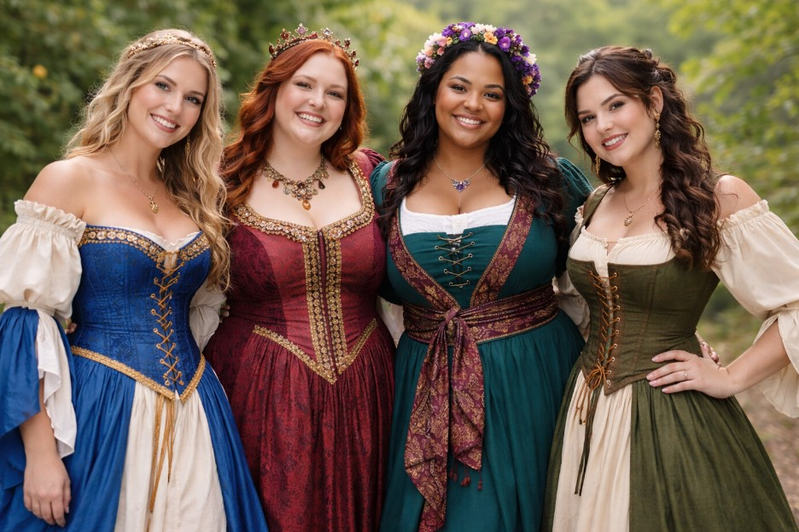
Embracing body positivity means celebrating all shapes and sizes, and when it comes to medieval and Renaissance fashion, there’s no reason to hold back. These historical styles are rich in diversity and creativity, making them perfect for anyone looking to express themselves at a festival, event, or simply in everyday life.
Whether you’re stepping into the world of jousts and courtly balls or just want to add a touch of old-world charm to your wardrobe, consider these styling tips to ensure you look and feel fabulous.
Understanding the Silhouettes
Medieval and Renaissance fashion is characterized by flowing lines, layers, and intricate embellishments. These eras encompassed a variety of silhouettes that can suit different body shapes beautifully.
Embrace the A-Line
The A-line silhouette is universally flattering and prominent in both medieval and Renaissance garments. It gradually flares out from the waist, making it an excellent choice for anyone wishing to highlight their natural waist while offering comfort and a graceful shape.
- Dresses with fitted bodices: Look for dresses that tightly fit around the bust but flow out from the waist. These can provide structure while allowing for movement.
- Layering with capes or kirtles: Adding a kirtle or a long cape can also enhance this silhouette, bringing attention upwards and allowing for versatility.
Explore Showcasing Your Curves
Corsets transitioned in style throughout these periods, becoming more structured and decorative. While many think of corsets as restrictive, modern designs often focus on comfort and body positivity.
- Opt for lightly structured corsets: They can gently support your shape without being constricting. Look for options made with adjustable lacing, which offers a customizable fit for all body types.
- Try corset-inspired tops: If traditional corsets seem too intimidating, consider pieces reminiscent of their style but looser in fit. This keeps the aesthetic without sacrificing comfort.
Fabric Matters
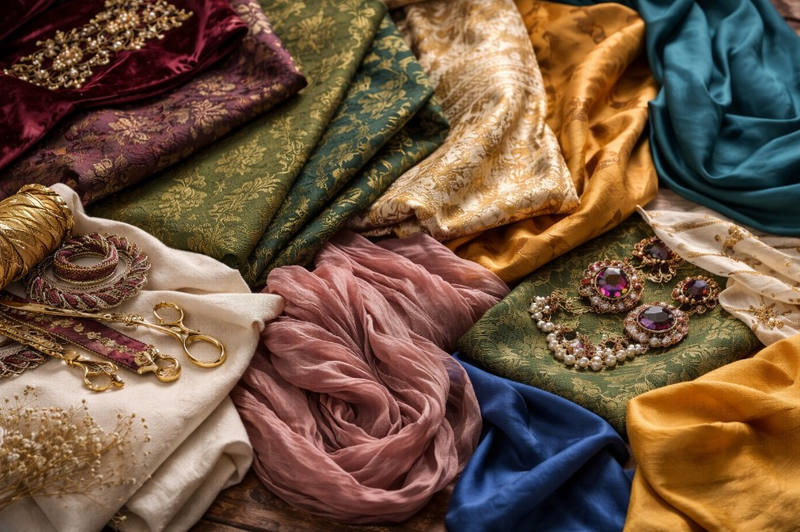
The fabric you choose can significantly affect how a costume fits and feels. Heavier materials like brocade and velvet were common, but lighter fabrics can also evoke a historical feel.
Add Movement with Lightweight Textiles
Fabrics like cotton blends or silks allow for airflow and comfort, especially when layered.
- Layer strategically: A lightweight underdress could be worn beneath a heavier over layer. This not only adds a sense of depth but also ensures that no one part of your ensemble is too stifling.
- Eye-catching draping: Fabrics that drape beautifully (think taffeta or chiffon) can elevate your look and create visually interesting lines.
Color and Pattern Play
Historical fashion provides a fantastic palette of colors and pattern options. Jewel tones, earthy hues, and rich, vibrant colors are all on the table.
Find Your Palate
- Consider your undertones: Warm tones look stunning in earthier shades, while cool undertones shine in jewel-like colors. Understanding your coloring can help you select fabrics that enhance your overall appearance.
- Combine textures and prints: Layering different textures can create a rich and varied outfit without overwhelming the eye. For instance, pairing a textured bodice with a flowing patterned skirt is visually appealing and creates harmony.
Accessories to Enhance Your Look
Accessories can make or break an outfit, especially in period styling. They can enhance the overall look while also drawing the eye in all the right directions.
Statement Jewelry and Headpieces
The right accessories can add character and flair to your ensemble.
- Chunky necklaces or ornate clasps: These draw attention to your neckline and can shift focus. It can also be an excellent way to emphasize your personal style.
- Headwear options: Look into options like flower crowns, headbands, or wide-brimmed hats that suit the period. They can frame your face beautifully and heighten the authentic feel.
Footwear Matters
While it’s easy to overlook, shoes are an essential component of any outfit. Many medieval and Renaissance styles can be achieved with the right footwear.
- Consider comfort: Look for size-inclusive Renaissance festival attire that offers both comfort and style. Shoes should reflect the era—think rounded toes and soft leathers—but they also need to support your feet throughout long days of walking or standing.
Celebrating Diversity in Renaissance Styling
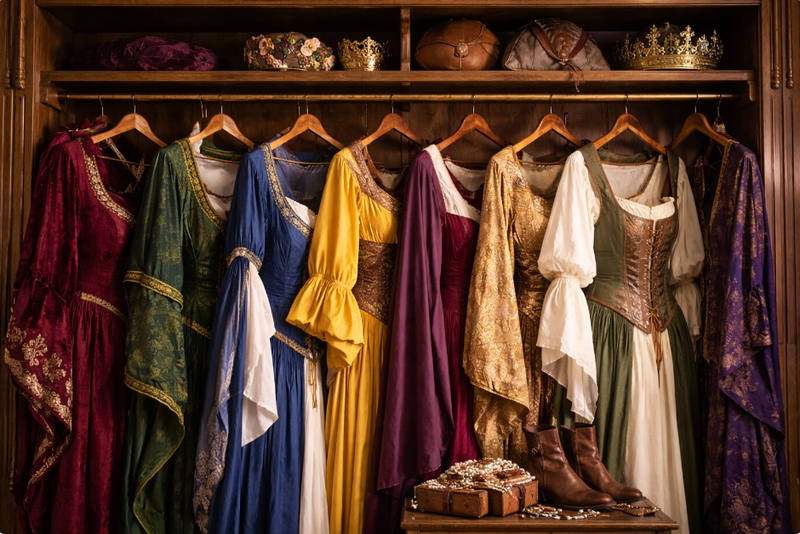
When attending a renaissance festival or themed event, find a costume that reflects not only historical accuracy but also your individuality. The rise of size-inclusive fashion options means that no one has to compromise on style.
Look to collections that offer diverse sizes and styles, ensuring a wider audience can enjoy the spirit of medieval and Renaissance festivities without the stress of finding the right fit. For instance, size-inclusive renaissance festival attire provides options that accommodate various body types while maintaining the beauty and elegance of historical fashion.
Confidence is Key
Ultimately, the most vital factor in any outfit is confidence. Each garment becomes more exquisite as you wear it with assurance. When you love what you’re wearing, it radiates outward, and others will notice.
Consider your outfit a canvas, one that you design based on your preferences, personality, and comfort. As you explore the realms of medieval and Renaissance fashion, remember: the focus is not solely on historical accuracy but on how these styles allow you to express your individuality.
With the right approach, anyone can honor these eras while celebrating their unique body shape. So, gather your materials, experiment with styles, and take on your next event fearlessly!