

A chipped tooth can feel unsettling. It draws attention in photographs and mirrors. It can subtly change the way someone smiles, laughs or speaks in meetings. What begins as a small cosmetic issue often becomes a quiet source of self-consciousness that lingers long after the initial accident.
Cosmetic dentistry has developed to address concerns like these with treatments that are straightforward and minimally invasive. Composite bonding has become increasingly common across the UK. The procedure uses tooth-coloured resin to repair chips, close small gaps and refine uneven edges, often within a single appointment. In most cases, it does not require removal of healthy tooth structure.
For households weighing up their options, understanding what composite bonding involves and how it compares with alternatives such as veneers can make decisions feel more manageable. While costs vary by region and provider, many people look for treatments that offer visible improvement without lengthy recovery times or complex procedures.
Why Small Dental Flaws Matter More Than You Think
Minor dental imperfections, including small chips, narrow gaps and surface discolouration, can affect people at any stage of life. Wider discussion around boosting body and mind wellbeing recognises that confidence in appearance can influence posture, eye contact and social comfort. Over time, even subtle concerns may shape behaviour at work, in family photographs or during everyday conversations.
A chipped front tooth, for example, may lead someone to adjust how widely they smile or to cover their mouth while laughing. These habits can develop gradually. They are rarely dramatic, yet they can influence confidence in ways that are difficult to articulate. For some, the change is most noticeable in professional settings where clear communication and visible engagement matter.
For parents in particular, personal cosmetic concerns often fall behind family responsibilities. When children, routines and finances take priority, small aesthetic issues may remain unaddressed for years. Yet feeling comfortable with one’s appearance can influence posture, eye contact and ease in conversation. Restoring a chipped edge may therefore affect more than appearance alone.
Comparing Quick-Fix Cosmetic Dental Options
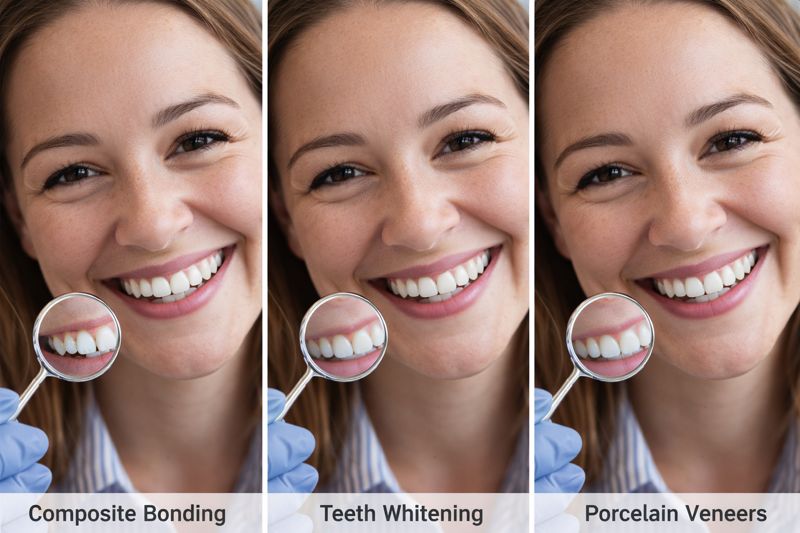
When addressing minor dental flaws, three approaches are commonly discussed in UK practices: composite bonding, porcelain veneers and teeth whitening. Each serves a distinct purpose. The most suitable option depends on the nature of the concern, time available and overall budget.
Teeth whitening focuses on surface discolouration. It can brighten enamel but does not reshape teeth or repair chips. Porcelain veneers offer a more extensive cosmetic transformation. They can alter colour, shape and alignment. However, they usually involve removing a thin layer of enamel and require more than one appointment while the veneers are prepared and fitted.
Composite bonding sits between these two approaches. It offers greater flexibility than whitening and is less invasive than veneers. People researching composite bonding Liverpool options often look for clinicians who prioritise conservative techniques that preserve natural tooth structure while refining chipped or uneven edges. The material is applied directly to the tooth and sculpted to match surrounding enamel, making it suitable for subtle adjustments.
In general terms, composite bonding in the UK may range from around £150 to £400 per tooth, depending on complexity and location. Veneers are typically more expensive and involve greater preparation. Whitening costs vary according to whether treatment takes place in-clinic or at home. Longevity also differs. Bonding can last several years with proper care, veneers often last longer, and whitening results gradually fade over time.
The decision is rarely about appearance alone. Some people prioritise reversibility and minimal alteration of healthy enamel. Others focus on durability or colour change. Understanding these differences helps individuals choose an approach that aligns with both practical needs and personal expectations.
What Composite Bonding Actually Involves
A composite bonding appointment begins with an assessment. The dentist examines the chipped or uneven tooth and discusses what outcome the patient hopes to achieve. Clear communication at this stage helps ensure the final result looks proportionate and natural rather than overly uniform.
Selecting a resin shade that blends with surrounding teeth is an essential step. Natural teeth vary in tone and translucency. Careful colour matching allows the repair to integrate seamlessly with adjacent enamel.
In most cases, little or no drilling of healthy enamel is required. The tooth surface is gently prepared to support adhesion. A clear understanding of adult tooth structure helps explain why preserving enamel is important during conservative cosmetic procedures. The resin is then applied in layers and shaped by hand to recreate the natural contours of the tooth. This sculpting stage is precise and determines how the repaired tooth reflects light and fits within the bite.
A curing light hardens the material, securing it in place. The dentist then refines and polishes the surface to achieve a smooth finish. Single-tooth repairs are often completed within an hour. Discomfort is minimal, and anaesthetic is rarely necessary. The improvement is visible at the end of the appointment, allowing people to return to daily activities without extended downtime.
For many, the immediacy of the result is reassuring. There is no waiting period for laboratory work. The change can be seen straight away, which often provides an immediate lift in confidence.
Budgeting for Cosmetic Dental Work as a Family
Cost is often the first consideration when exploring cosmetic treatment. Procedures focused on appearance are provided privately rather than through standard NHS care. Families comparing private options often review current NHS dental treatment costs to understand how cosmetic work differs from clinically necessary treatment covered within the public system.
One practical approach is to prioritise the most visible teeth first. If several teeth require attention, treatment can be planned over time. Spacing appointments can help manage overall expenditure while still addressing key concerns.
During the consultation, it is helpful to ask about expected longevity, potential maintenance and the likelihood of future repairs. Composite bonding may require occasional polishing or minor touch-ups. Understanding these factors supports realistic budgeting and long-term planning.
Transparency around cost and aftercare also reduces uncertainty. When patients know what to expect, the decision feels less daunting. This clarity is particularly important for families balancing multiple financial priorities.
Maintenance and Long-Term Considerations

Composite bonding is durable but not permanent. With sensible care, it can last several years. Avoiding biting hard objects, limiting highly pigmented foods and maintaining consistent oral hygiene all help preserve the result.
Routine dental visits allow early identification of minor wear. Small adjustments can often be made without replacing the entire restoration. This flexibility appeals to those who prefer conservative treatment that can be refined over time.
Good brushing habits and regular check-ups remain central. While bonding does not require specialist cleaning products, maintaining overall oral health supports the longevity of the repair. Preventing decay around the bonded area is as important as protecting the resin itself.
For many people, repairing a chipped tooth is not only about appearance. It can reduce self-consciousness and support more natural communication at work and at home. When expectations are realistic and maintenance is understood, a small cosmetic adjustment can contribute to greater everyday confidence.