
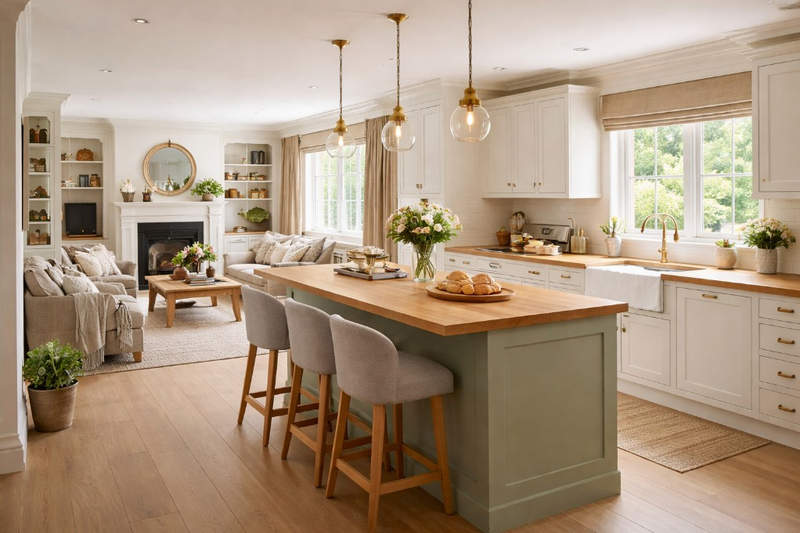
A well-designed home is defined not only by its visual appeal but also by the careful balance of functionality, material quality, and long-term practicality. In the UK, where homes often combine architectural heritage with modern living requirements, thoughtful interior design plays a crucial role in shaping spaces that are both comfortable and efficient.
From carefully planned layouts to durable materials that withstand everyday use, each design decision contributes to the overall harmony of the home. Within kitchens in particular, surfaces must deliver both resilience and aesthetic value, which is why many homeowners prioritise high-quality materials such as new kitchen worktops that enhance the performance and visual character of one of the most frequently used areas in the house.
Functional Layout and Practical Design
One of the most important elements of a well-designed UK home is a layout that supports everyday living while making efficient use of available space. British properties often vary widely in size and architectural style, from compact city terraces to larger suburban homes, which means interior layouts must be carefully considered to ensure both comfort and practicality. In kitchens, especially, thoughtful design can significantly improve how the space functions. Work zones for preparation, cooking, and storage should be arranged logically so that movement within the kitchen remains fluid and intuitive, reducing unnecessary effort during daily use.
Achieving this level of functionality often requires careful planning of worktop areas, particularly when installing natural wood surfaces that must be precisely measured and fitted. Accurate cutting and shaping are essential to ensure the worktops align correctly with cabinetry, sinks, and appliances while maintaining the integrity of the material. Many homeowners therefore explore professional guidance on kitchen worktop cutting services when planning installations, helping ensure that timber worktops are fitted properly and continue to perform reliably within the kitchen environment.
High-Quality Materials and Surface Durability

Material selection is another defining factor in a well-designed UK home, particularly in areas that experience frequent daily use. Kitchens, hallways, and living spaces all require surfaces capable of withstanding long-term wear while maintaining their visual appeal. High-quality materials improve durability while also contributing to the overall atmosphere of the home. Natural materials such as solid wood, stone, and ceramic surfaces introduce depth and texture that elevate the interior beyond purely functional design. These materials help create spaces that feel refined, balanced, and comfortable for everyday living.
In kitchens, worktops are among the most heavily used surfaces, which makes durability an essential consideration. Materials must withstand moisture, heat, and general wear without losing their structural integrity or visual character. Solid wood worktops are particularly valued because they combine strength with natural warmth and distinctive grain patterns. Their versatility allows them to complement a wide variety of cabinetry styles, from traditional shaker kitchens to contemporary minimalist interiors. For homeowners aiming to create a kitchen that balances practicality with visual appeal, durable natural surfaces remain one of the most reliable design choices.
Lighting and Spatial Balance in Interior Design
Lighting plays a crucial role in shaping the atmosphere and functionality of a well-designed UK home. Thoughtfully planned lighting schemes help define different areas within a space while also enhancing the textures and materials used throughout the interior. Natural light is particularly valuable, as it creates a sense of openness and improves the overall comfort of living spaces. Large windows, skylights, and open-plan layouts are often used to maximise daylight, allowing interiors to feel brighter and more welcoming throughout the day.
Artificial lighting should complement this natural illumination by providing both task lighting and ambient light where needed. In kitchens, for example, focused lighting above worktops ensures safe and practical food preparation, while softer lighting can be used to create a relaxed atmosphere in adjoining dining or living areas. By combining natural and artificial lighting effectively, homeowners can highlight key design features within the home while ensuring each room remains comfortable and functional for everyday use.
Craftsmanship and Attention to Detail
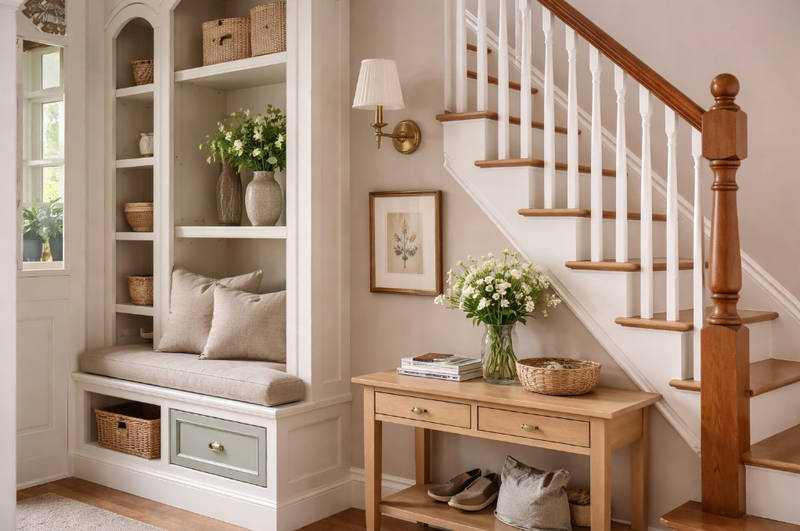
A well-designed UK home is often defined by the quality of its craftsmanship and the attention given to smaller design details. While layout and materials form the foundation of a good interior, the finishing elements determine whether a space feels thoughtfully designed or simply functional. Joinery, cabinetry, and fitted features all contribute to the overall cohesion of the home. When these elements are carefully constructed and properly installed, they create interiors that feel balanced, refined, and durable enough to withstand everyday use.
In kitchens, especially, precision and material preparation play a crucial role in achieving this level of quality. Worktops must align accurately with cabinetry, appliances, and sinks to maintain both visual consistency and practical functionality. Carefully finished edges, smooth surfaces, and accurate measurements all contribute to the final result. When craftsmanship is prioritised during installation, natural materials such as wood surfaces can fully express their visual character while also performing reliably within the home for many years.
Longevity and Timeless Design in UK Homes
A well-designed home is not only visually appealing when first completed but also capable of maintaining its character and functionality for many years. Timeless design focuses on materials, layouts, and features that remain relevant even as interior trends evolve. Neutral colour palettes, natural materials, and balanced proportions are often used to create interiors that feel consistent and harmonious over time. These elements help ensure that the home continues to feel modern and welcoming without requiring frequent redesign or renovation.
Durable materials are central to achieving this longevity. Surfaces that can withstand everyday wear while maintaining their appearance allow homeowners to invest in their interiors with confidence. In kitchens, especially, worktops, cabinetry, and flooring should be selected with long-term performance in mind. When high-quality materials are paired with thoughtful design choices, the result is a home that remains functional, comfortable, and visually appealing long after the initial design decisions have been made.
Conclusion
Designing a well-balanced UK home requires careful consideration of layout, materials, lighting, and craftsmanship. Each element plays a role in creating spaces that support everyday living while also reflecting a sense of quality and style. Kitchens often become the focal point of this design approach, as they combine practicality with visual impact through the use of durable surfaces and thoughtful planning. By prioritising functional layouts, strong materials, and attention to detail, homeowners can create interiors that remain comfortable, attractive, and practical for many years, ensuring the home continues to meet both present needs and future expectations.