
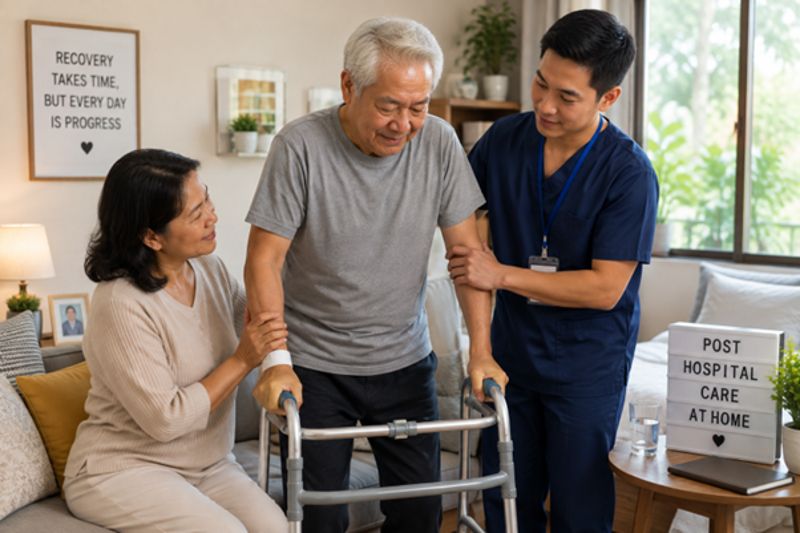
After hospital discharge, many people want to recover where they feel most comfortable. That is why post-hospital care at home matters. With a clear care plan, the right support services, and help from your healthcare team and hospital staff, home care can meet medical needs, support the recovery process, and improve quality of life while giving your family more peace of mind.
The Transition from Hospital to Home: What to Expect
Leaving after a hospital stay can feel like a big step. Your discharge plan usually guides what happens next, from medication changes to help with daily needs at home. For many family members, transition care means setting up extra support early.
Post-hospital care at home can help during the recovery period; it can lower hospital readmission risk and make the move from hospital staff to home support feel more manageable.
How Transition Care Supports Recovery After Discharge
Transition of care is the support that helps you move safely from a hospital stay back to home. In simple terms, it connects hospital staff, your discharge plan, and home care services so your recovery process does not stall once you leave.
This often includes practical support services such as:
- help with daily tasks
- medication assistance
- check-ins from your care team
For example, if new prescriptions feel confusing after discharge, ongoing support can keep medication schedules organised. That can make recovery steadier and may help reduce the chance of hospital readmission.
Key Steps to Prepare Your Home for Post-Hospital Care
A little planning can make your own home safer and easier after hospital discharge. The goal is to match your care plan to what you will need day by day after your hospital stay.
Start with a few basics:
- set up mobility aids where needed
- plan simple meal preparation
- arrange medication reminders
You may also want proper support for bathing, walking, or other daily activities. Taking these steps early means you are better prepared every step of the way, especially in the first few days at home.
Types of Post Hospital Care at Home in Australia
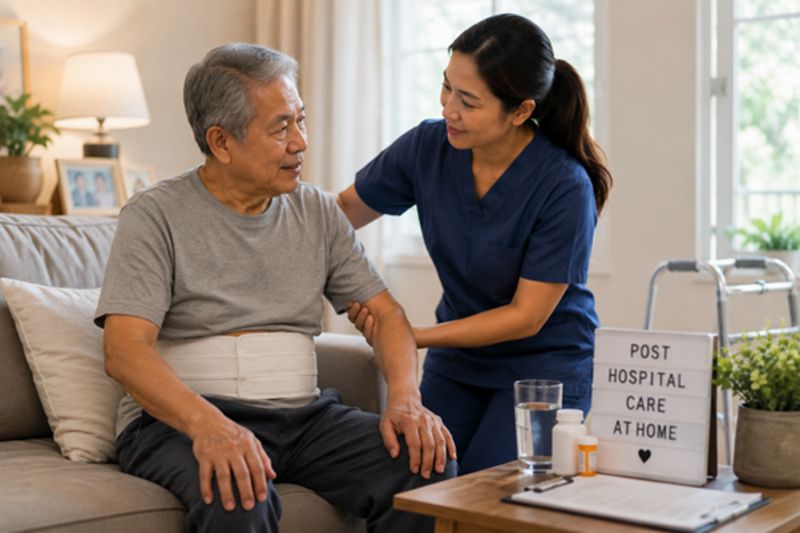
Post hospital care at home can include both medical care and everyday help. The right mix depends on your care plan, recovery period, and how much extra support you need.
Some people need skilled nursing and hospital care services. Others need help with daily tasks, aged care, or home services from support workers. This flexibility can improve quality of life while recovery continues at home.
Medical and Nursing Support Services
When medical needs continue after a hospital stay, home support can help with tasks like wound care, medication management, and follow-up tied to your care plan.
A registered nurse or other health professional may provide ongoing support and help you keep up with appointments. This care is valuable when recovery needs close monitoring.
| Service | What it includes |
|---|---|
| Wound care | Dressings, healing checks, early notice of concerns |
| Medication management | Organising prescriptions and dosage changes |
| Mobility support | Safe movement, gentle exercise, and recovery practice |
| Clinical follow-up | Support related to hospital services and care plans |
Personal Care, Daily Living Help, and Companionship
Not every recovery need is medical. Many people need home support with washing, dressing, meals, and safe movement around the house. That is where personal care services and aged care can help.
Common support may include:
- meal preparation and cleanup
- help with daily activities
- companionship during the day
This can be especially helpful when there is fall risk, fatigue, or memory care needs. Professional caregivers and support workers can provide ongoing support step of the way, while giving family members space to rest. In some cases, respite care services or respite care at home can also ease pressure.
Arranging Home Care Services After Hospital Discharge
Arranging home care services after hospital discharge is easier when you start with the discharge instructions. These details help shape the support services you may need during the recovery process.
Five Good Friends explains a simple path: share your situation, speak with the team, match with suitable helpers, and track visits. That gives families a clearer care plan after a hospital stay and helps coordinate health services with healthcare providers.
How to Access Government and Private Home Care Programs
If you need local help after leaving the hospital, first identify the type of support required. Some prefer government programs; others choose private home care for quicker or more flexible services.
To get started:
- Review your care plan
- Identify needed support during recovery
- Check which services are available locally
Five Good Friends offers support in both metropolitan and regional Australia, including home care in Melbourne and on the Gold Coast. You can also find options for in-home aged care and dementia care.
Eligibility Criteria and Referral Process Explained
Eligibility criteria can vary based on the kind of help you need. In general, the referral process starts with your needs after a hospital stay, your recovery process, and the support listed in your care plan.
You may be guided by:
- a discharge planner
- health professionals
- the home care provider
For example, someone needing help with wound care, walking practice, or personal care after surgery may be referred for support workers or nursing visits. Asking these questions before hospital discharge can make the next steps much clearer.
Conclusion
In summary, post-hospital care at home is crucial for recovery, providing personalised support in a comfortable setting. Knowing the types of available care—from medical to personal assistance—can make the transition easier. Preparing your home and choosing the right services ensures a smoother recovery. Be sure to select a provider that fits your needs. Ready to explore your options? Contact us for a free consultation today. Your recovery begins with the right support!
Frequently Asked Questions
Are short-term post-hospital care services available at home?
Yes. Short-term home care services can support you after a hospital stay during the early recovery period. This may include ongoing support with meals, personal tasks, mobility, and hospital care services such as wound checks or medication help.
Who qualifies for in-home rehabilitation after a hospital stay?
Qualification depends on your eligibility criteria, care plan, and what healthcare professionals recommend at hospital discharge. If you need help with movement, exercises, or safe recovery at home, you may be considered for in-home rehabilitation support.
What should I look for when choosing a post-hospital care provider?
Look for home care providers that can match the level of care to your care plan. Check whether their support services cover medical and daily needs, and whether they can provide proper support through nurses, helpers, or flexible home visits.