
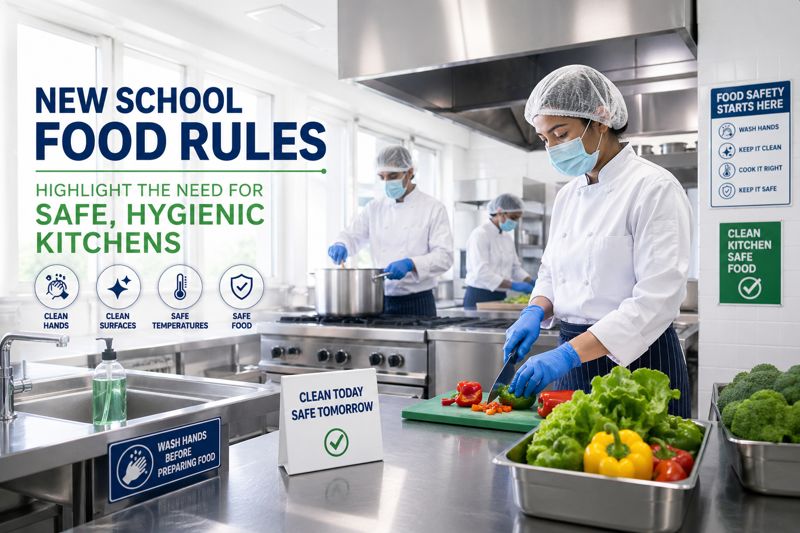
The UK government has introduced updated school food standards aimed at improving children’s health and tackling rising concerns around obesity. These changes place a stronger emphasis on reducing unhealthy options while increasing access to more balanced, nutritious meals across primary and secondary schools.
Under the new guidance, schools are expected to significantly limit foods high in fat, salt and sugar. This includes restricting items such as deep-fried foods and sugary desserts, while encouraging menus that prioritise fresh ingredients, fruit, vegetables and whole grains. There is also a greater push towards providing healthier breakfast options and ensuring pupils have access to nutritious food throughout the day.
The Government has proposed updates to school meal standards to support healthier choices:
🍎 More fruit, veg & wholegrains
🍎 Less high-sugar & deep-fried options
🍎 Focus on balanced & nutritious mealsA public consultation is now open ⤵️ https://t.co/f1wk89XkH0
— Mayor of London, Sadiq Khan (@MayorofLondon) April 14, 2026
Importantly, the changes are not just recommendations. The government has signalled a move towards stronger oversight, including improved monitoring and accountability measures to ensure schools are meeting these standards. Schools may also be expected to provide greater transparency around their menus and food policies.
While the focus is clearly on improving what children eat, these changes naturally raise expectations around how food is prepared, handled and served within school environments.
Increased Scrutiny on School Catering Environments
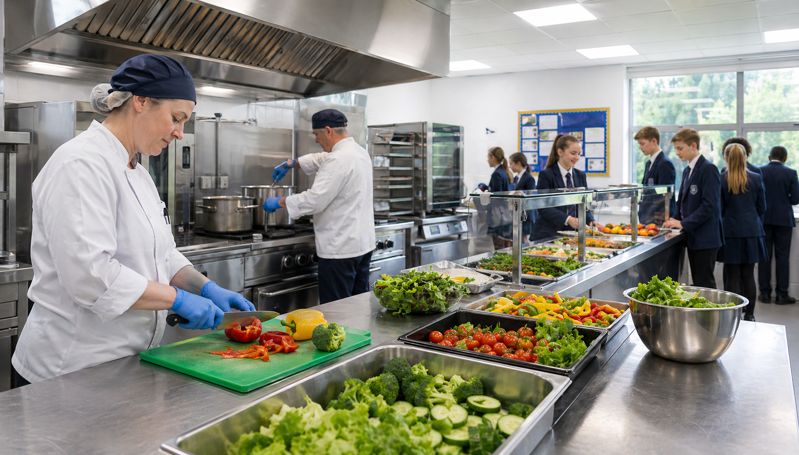
With tighter food standards comes increased scrutiny, not only on what is being served but also on how it is prepared. The government has made it clear that schools will face greater oversight, with improved monitoring systems designed to ensure compliance with the updated food guidelines.
There is also a stronger push for transparency. Schools are expected to be more open about their menus and food policies, giving parents greater visibility into what their children are eating on a daily basis. This shift means that school catering is no longer something that sits quietly in the background. Instead, it is becoming a key area of accountability for both leadership teams and external inspectors.
As a result, the condition and cleanliness of kitchen environments are coming under greater focus. High-use areas such as preparation surfaces, storage spaces and cooking equipment must be maintained to a consistently high standard. This is where professional support, such as kitchen deep cleaning, can play an important role in helping schools meet rising expectations.
With more eyes on school food provision than ever before, maintaining a clean, compliant kitchen is essential not just for safety, but for trust and reputation as well.
Why Hygiene Is Just as Important as Nutrition

While the new standards place a strong emphasis on improving nutrition, hygiene plays an equally important role in protecting pupil health. Providing balanced meals is only part of the responsibility. Those meals must also be prepared in environments that are clean, safe and fully compliant with food safety regulations.
As schools move towards fresher ingredients and more hands-on food preparation, the risk of contamination increases if hygiene is not properly managed. This makes consistent cleaning practices essential for day-to-day operations.
Failing to maintain high hygiene standards can lead to several issues, including:
- Increased risk of foodborne illness among pupils and staff
- Cross-contamination between raw and cooked ingredients
- Failed inspections and potential reputational damage
- Reduced lifespan and performance of kitchen equipment
- Greater scrutiny from parents and regulatory bodies
To manage these risks effectively, many schools are turning to structured school kitchen cleaning processes that ensure all areas are maintained to a high standard. This goes beyond surface-level cleaning and focuses on maintaining hygiene across all touchpoints within the kitchen.
In the context of stricter food standards, hygiene is not a separate concern. It is a fundamental part of delivering safe, high-quality meals every day.
Key Hygiene Standards Schools Must Meet
To align with both existing food safety regulations and the increased expectations linked to the new school food standards, schools must maintain strict hygiene practices across all kitchen areas. This is not limited to basic cleanliness but extends to structured, consistent processes that support safe food preparation every day.
With a greater focus on fresh ingredients and on-site preparation, kitchens must be equipped to handle more complex workflows. This makes it essential to have clear hygiene protocols in place that reduce risk at every stage of food handling.
Key hygiene standards schools should meet include:
- Regular sanitisation of all food preparation surfaces and high-touch areas
- Safe storage of ingredients, including correct temperature control
- Clear separation of raw and cooked foods to prevent cross-contamination
- Routine cleaning of cooking equipment, extraction systems and ventilation
- Documented cleaning schedules to demonstrate ongoing compliance
Increased oversight means schools must be able to show that these standards are consistently followed, not just occasionally addressed. Inspectors and leadership teams will expect clear evidence of hygiene practices being maintained over time.
As expectations continue to rise, maintaining these standards becomes essential for ensuring kitchens remain compliant, efficient and safe for daily use.
Creating Safer, Compliant School Kitchens
As schools adapt to the updated food standards, creating a safe and compliant kitchen environment requires a more proactive and structured approach. It is no longer enough to rely on basic daily cleaning. Schools must ensure that hygiene is embedded into routine operations and consistently maintained at a high level.
With increased scrutiny from both regulators and parents, kitchens need to be inspection-ready at all times. This means having clear processes in place, supported by regular audits, staff training and detailed cleaning records. Consistency is key, particularly in busy school environments where kitchens are in constant use.
For many schools, bringing in specialist support can help maintain these standards more effectively. Professional cleaning support ensures that hard-to-reach areas, equipment and high-risk zones are thoroughly addressed, reducing the risk of contamination and supporting compliance.
By taking a more structured approach to hygiene, schools can confidently meet the demands of the new standards. Combining improved nutrition with clean, well-maintained kitchen environments ensures that pupils not only eat better, but do so safely every day.