
Comfort in a space isn’t only about what you can see at first glance. It’s shaped by subtle details that affect how relaxed or settled you feel without necessarily noticing why.
Two rooms can look similar but feel completely different once you spend time in them. These differences often come down to hidden factors that work in the background of everyday living.
Hidden role of acoustics in everyday comfort
Sound has a strong influence on how a space feels, even when it is not obvious. Rooms with hard surfaces tend to bounce sound around, which can make them feel sharper or more tiring over time. Softer materials like carpets, curtains, and upholstered furniture help absorb sound and create a calmer environment.
Background noise also matters. Traffic outside, appliances humming, or echoes between rooms can all affect comfort levels. Even small improvements, such as sealing gaps around doors or adding soft furnishings, can reduce noise and make a space feel more settled without changing its appearance.
Air quality and subtle airflow
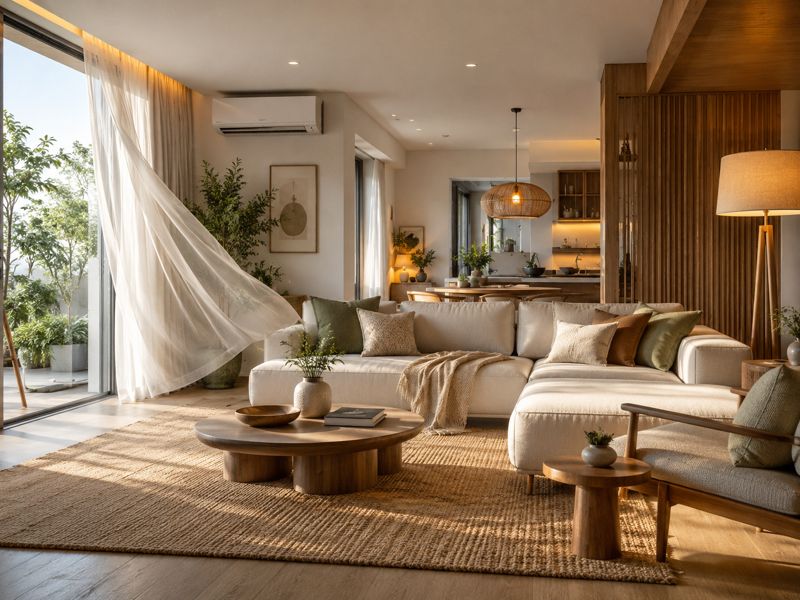
Air movement plays a quiet but important role in comfort. A room can feel heavy or stale if air does not circulate well, even if the temperature is fine. On the other hand, steady airflow helps maintain a sense of freshness that supports relaxation and focus.
Ventilation systems, open windows, and even the positioning of furniture all influence how air moves through a space. Poor airflow can also trap smells or moisture, which slowly affects how pleasant a room feels to spend time in. Small adjustments, such as keeping vents clear or allowing space around windows, can improve the overall atmosphere. A quality air conditioning unit – provided by a company like Sub Cool FM – can make a more noticeable difference.
Light balance and direction in living spaces
Lighting affects mood more than many people expect. It’s not just about brightness, but also direction, colour, and timing. Natural light creates a sense of ease during the day, while softer artificial lighting may work well in the evening (some people find that any light too late in the evening affects their sleep).
Rooms that rely on a single strong light source can feel flat or harsh. Layered lighting, such as combining ceiling lights with lamps, helps create depth and flexibility. This allows spaces to adapt to different activities, from reading to relaxing.
Layout flow and spatial rhythm
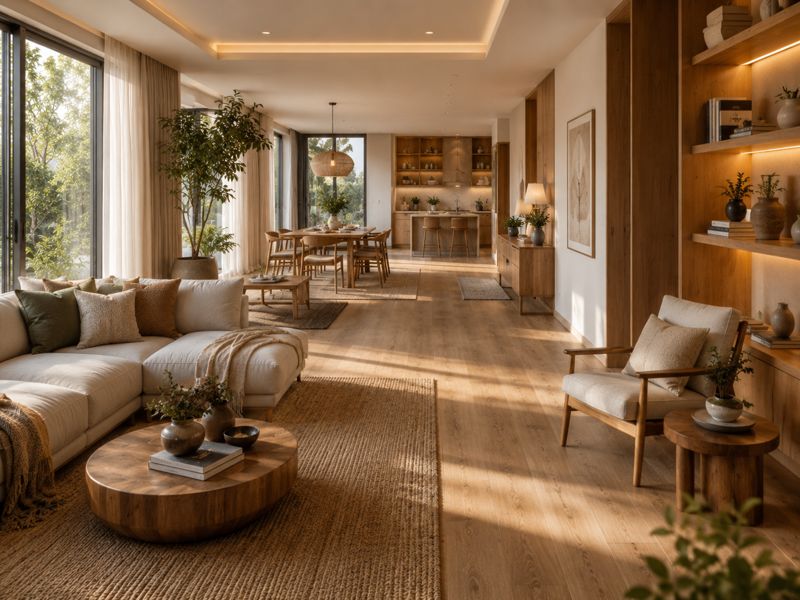
The way a room is arranged has a direct impact on how comfortable it feels to move through and use. Spaces that allow clear walking paths feel more open, even if they are not large. When furniture blocks movement or feels squeezed together, the room can start to feel more stressful than relaxing.
Balance is important, as too much empty space can feel cold; too much furniture can feel crowded. A well-planned layout creates a natural rhythm where each area has a purpose without competing for attention. This makes daily routines smoother and reduces small frustrations that build up over time.
Materials and sensory detail in the home
The surfaces you touch every day shape comfort in a quiet but constant way. Materials like wood, fabric, and natural stone tend to feel more inviting than harsh or overly reflective surfaces. Even small details, such as the texture of a cushion or the finish on a table, contribute to the overall sense of ease.
Temperature of materials also has an effect: cold flooring or rough surfaces can subtly change how welcoming a space feels, especially in rooms used for rest. Soft finishes, layered textiles, and natural textures help create a more grounded environment.
When these details come together, the space will feel steady and easy to live in without needing constant adjustment.