
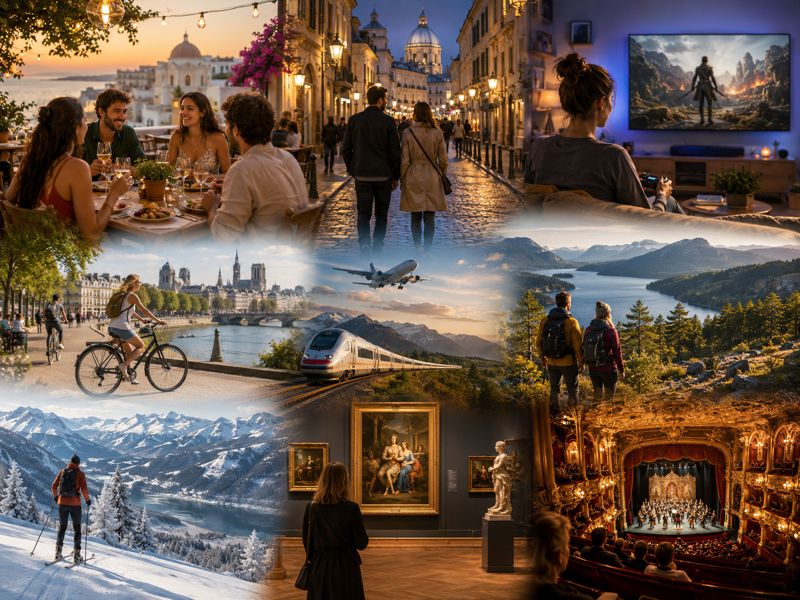
Exploring how people spend their leisure time is a way to unlock traditions, culture, and European diversity. Most residents share a common appreciation for relaxation and social connection, but the trends often vary significantly across countries. Some would rather stay at home and launch a thrilling video game, while others cannot imagine their lives without adventures. How do leisure activities differ across the continent, and what drives people’s leisure preferences?
Café Culture and Social Life
For residents of Southern European countries like Spain, Portugal, and Italy, there’s no better leisure than a good dinner with friends. Social interaction is one of the most important aspects of life in the region, with millions of people meeting each other for drinks and long conversations. Walking after dinner is another tradition that complements this leisure.
For example, the Spanish have “passegiata,” which is a cultural act where locals have a long stroll while commuting with friends and strangers. This ritual aims to strengthen connections and allows people to find new acquaintances just on the streets. It may sound weird to residents of other states, but socialisation is one of the top priorities for South Europeans.
The Rise of Digital Entertainment
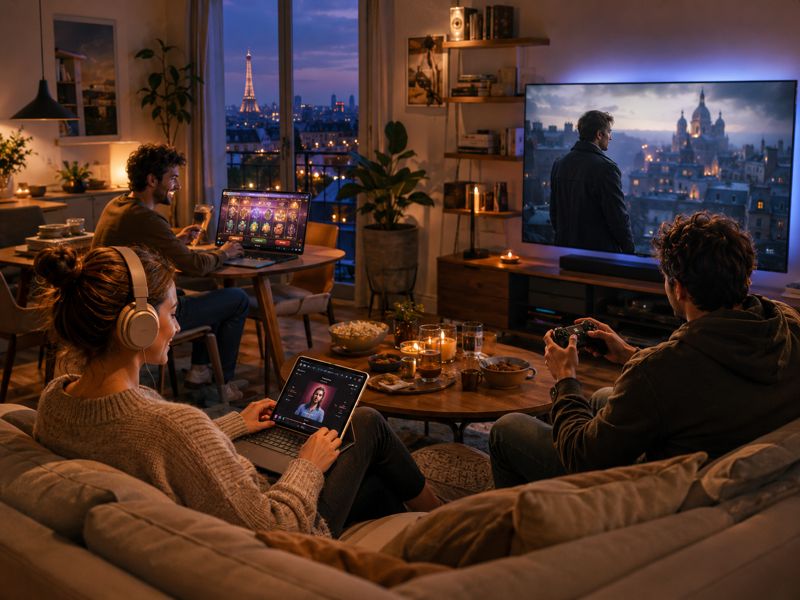
Today’s leisure trends in Europe are actively shaped by the rise of digital environments. Many people prefer not to leave home and have fun online. Users may enjoy watching movies or streams, playing video games, and listening to podcasts on different topics. These pastimes are in demand across Europe.
In countries where online gambling is allowed, people often choose to spin the reels in top European casinos 2026, adding a pinch of adrenaline to their routines. This form of entertainment is especially popular in the UK, Poland, Italy, and France. Online casinos are no longer just places to enjoy some games. Players can socialise, keep in touch with other members, and compete in tournaments with valuable prizes, increasing the number of Europeans who choose gambling for their leisure.
Active Lifestyle Across Europe
Life expectancy among European residents is growing: according to the latest reports, it reached 81.5 years in 2026. These statistics are driven by the fact that residents of Germany, France, and other countries often select active leisure opportunities. Sports are a part of people’s everyday lives, and the trend continues to evolve. For example, Germany has a strong cycling culture.
Millions prefer using bicycles instead of public transport or personal cars. In line with this, gyms and fitness centres in Europe are often crowded. Many people opt for active hobbies to unwind and balance responsibility with healthy leisure.
Travelling Across Europe
Relatively short distances and literally absent borders between European countries encourage locals to travel more. Convenient transportation networks across the continent contribute to the evolution of this leisure activity. A person living and working in Warsaw can easily book a plane ticket and travel to Portugal to explore local sights or try surfing during the hot season.
Coastal areas attract Europeans in summer, while big city tourism is popular all year round. Domestic travel is no less important: many people discover the hidden areas of their state where they have never been before.
Outdoor Activities
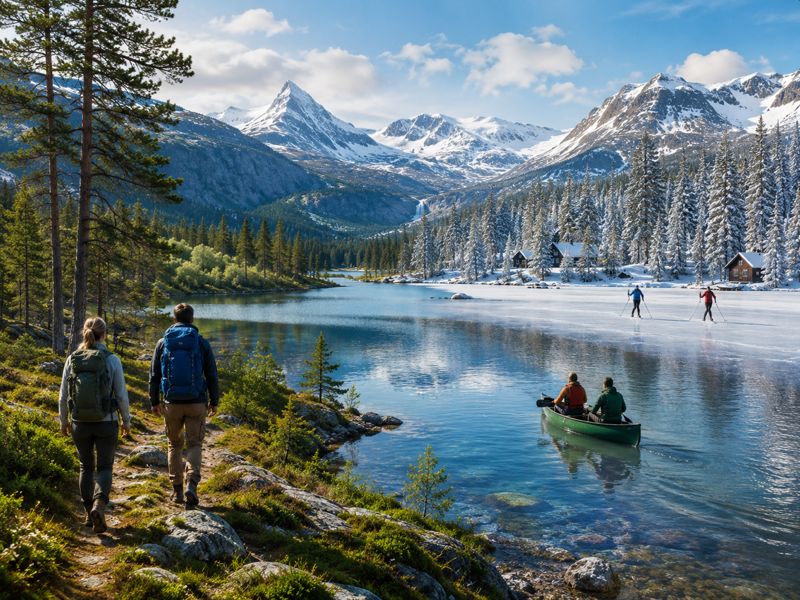
In countries like Norway, Sweden, and Finland, the majority of residents prefer spending time outdoors. These states boast remarkable nature, with lakes, forests, and national parks available across regions. The “friluftsliv” concept, referred to as “open-air living,” is popular in Nordic countries. People appreciate the opportunity to connect with nature and relax regardless of the season.
Unsurprisingly, this passion also popularises outdoor sports: the landscape of these countries allows for quick development of skiing, snowboarding, and ice skating. At the same time, summer is also suitable for adventures: European residents typically enjoy hiking and boating.
Cultural Experiences in Europe
The rich European history makes the continent a hotspot for art and history fans. Visiting museums and exhibitions is a common way to combine leisure with educational goals. Whether attending the Louvre and watching centuries-long masterpieces or entering the Vienna State Opera, European people have plenty of opportunities.
Art connoisseurs don’t always focus on globally renowned landmarks: smaller events like festivals often allow them to unlock the country’s spirit and traditions. Such experiences blend the possibility to unwind with learning, making European art an essential part of leisure across multiple countries on the continent.
Conclusion
European leisure opportunities have never been as varied as they are now. As digital ecosystems continue to grow, many Europeans prefer to stay at home and watch movies or enjoy a thrilling game, reshaping how people relax. Traditional activities like travelling, socialising, and exploring the country’s culture also remain in demand. Nordic nature experiences and the South European cafe traditions can easily be blended, as there are actually no borders between countries.