
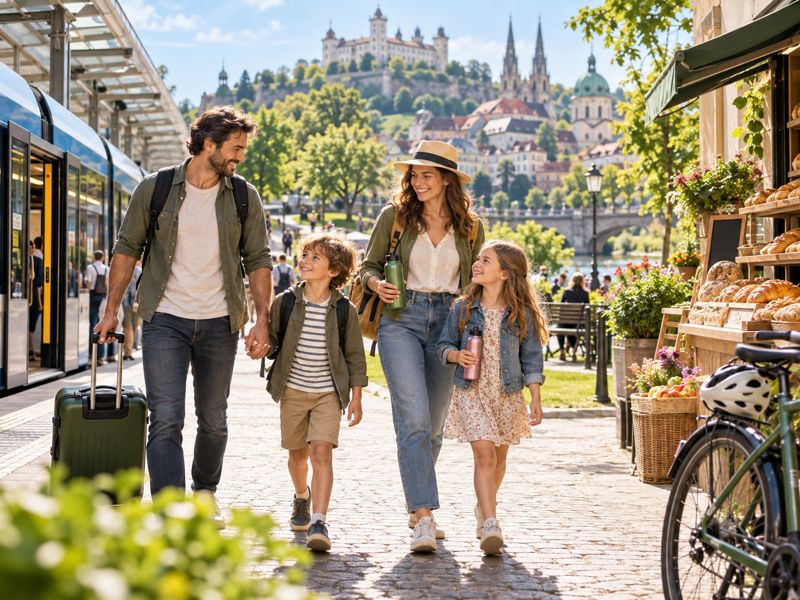
Taking the kids on a city break is an adventure that usually requires military precision and a seemingly endless supply of snacks. Throw in a desire to travel more sustainably and the whole prospect can start to feel completely overwhelming. We all want to reduce our carbon footprint and show our children the world without costing the earth. The good news is that green travel does not have to mean sacrificing convenience or spending your holiday stressed about every plastic wrapper. Small shifts in how you book and what you pack can make a substantial difference to your family adventures.
The key is to focus on practical choices rather than trying to make every single aspect of your trip perfectly sustainable. A family city break should still feel like a holiday. By making a few thoughtful decisions before you leave, you can create a trip that is kinder to the environment while remaining enjoyable and manageable for everyone.
Rethinking how you get there
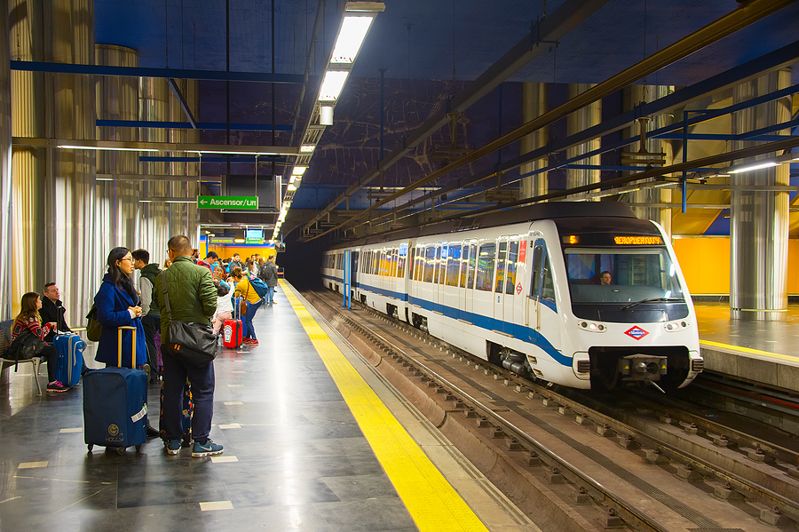
The journey is often the biggest contributor to a holiday’s carbon footprint. If you are staying relatively close to home or exploring Europe, the train is a brilliant alternative to flying. Train travel with kids offers vastly more space to move around and you avoid the draining queues of airport security. Many rail services now offer family compartments where you can spread out with colouring books and games.
Travelling by train can also turn the journey itself into part of the adventure. Children can watch the landscape change outside the window, play games or simply enjoy having more freedom to move around than they would on a plane. If you are travelling with older children, you could even involve them in planning the route and identifying the different cities or countries you pass through.
If driving is your only practical option, consider renting an electric vehicle or simply planning your route to minimise unnecessary mileage. Combining several activities in the same area can also reduce the amount of time spent travelling once you arrive. Walking, cycling and public transport are often convenient ways to explore a city without needing a car at all.
Choosing accommodation that cares
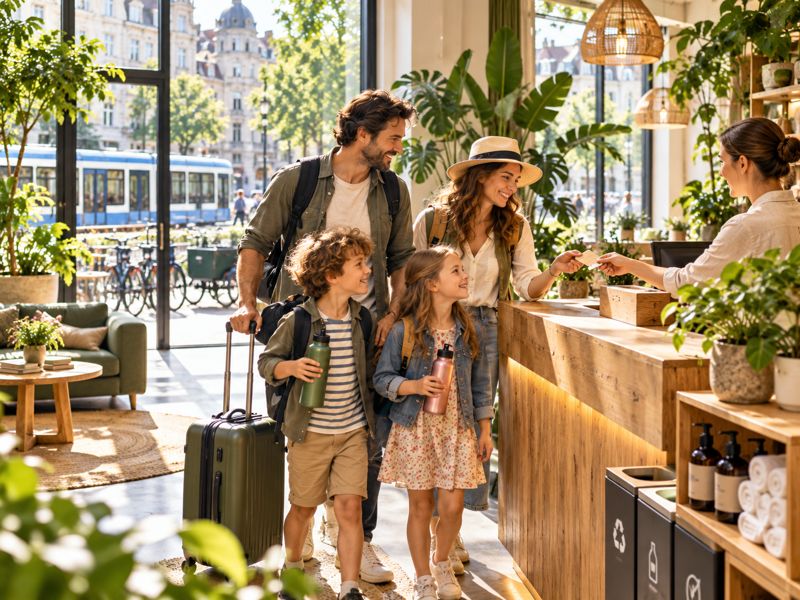
Where you rest your head at night plays a huge role in the environmental impact of your trip. Gone are the days when eco-friendly accommodation meant a rustic lodge with no hot water. Urban accommodation providers are stepping up their game to offer spaces that are both stylish and conscious of their environmental impact.
Finding an urban base that aligns with your values is easier than ever, and a quick look at The Usual Hotels demonstrates how seamlessly conscious design can blend with everyday comfort. When travelling as a family, choosing accommodation in a central location can also make a difference. Being within walking distance of restaurants, attractions and public transport means fewer short taxi journeys and less time spent moving between activities.
You might also want to ask if a property uses renewable energy, reduces food waste, limits single-use plastics or supports local community projects before you secure your booking. Simple measures such as reusing towels and turning off lights and air conditioning when you leave the room can make your stay a little more responsible without requiring much effort.
Navigating food and drink on the go

Feeding a family in a new city often defaults to whatever is nearest and quickest when the hunger tantrums hit. A little forward planning helps you avoid relying on heavily packaged convenience foods. Exploring local farmers’ markets or independent bakeries gives you a taste of the regional culture while keeping food miles incredibly low.
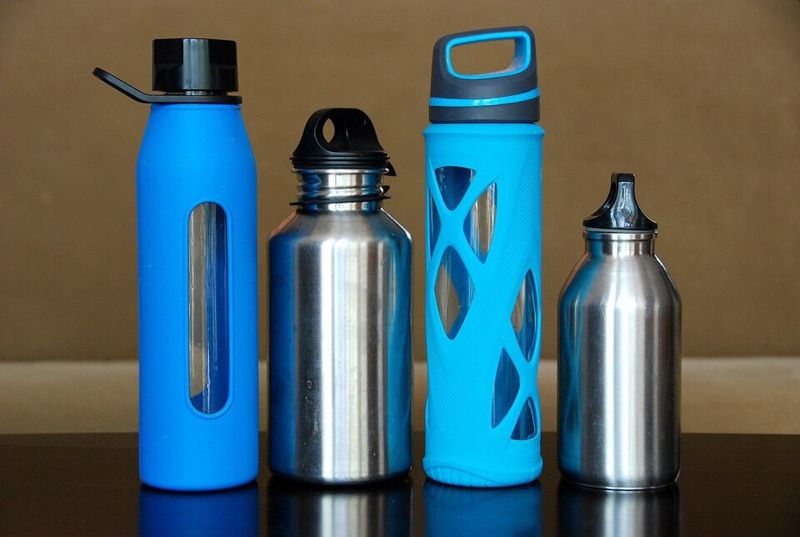
Bringing your own reusable water bottles and coffee cups is an obvious step but one that saves a remarkable amount of single-use plastic over a four-day weekend. Before heading out for the day, fill the bottles and pack a few snacks in reusable containers. This is particularly useful when travelling with younger children, who rarely seem to notice they are hungry until they need food immediately.
Many cities now have fantastic apps that connect you with cafes and restaurants selling their surplus food at the end of the day. This is a brilliant way to grab a bargain dinner for the family whilst preventing perfectly good meals from going to landfill. Choosing local and seasonal dishes can also make meals more memorable while introducing children to foods they may not normally encounter at home.
Packing light with purpose


Luggage weight directly affects fuel consumption regardless of how you travel. Packing light with children sounds like a contradiction but creating a simple capsule wardrobe for each family member changes the game entirely. Stick to clothes that coordinate easily and do not show stains the moment they are worn.
Think about what you genuinely need rather than packing for every possible scenario. Most city destinations have shops and laundry facilities if something unexpected happens. Packing fewer clothes also means less to carry between the station, accommodation and attractions.
Solid toiletries are another brilliant swap for family travel. Shampoo bars and solid sunscreens take up a fraction of the space of liquid bottles and completely eliminate the risk of an explosion in your suitcase. Reusable bags, refillable bottles and lightweight travel cutlery can also be useful additions that you can continue using long after the city break is over.
Engaging the kids in sustainable choices
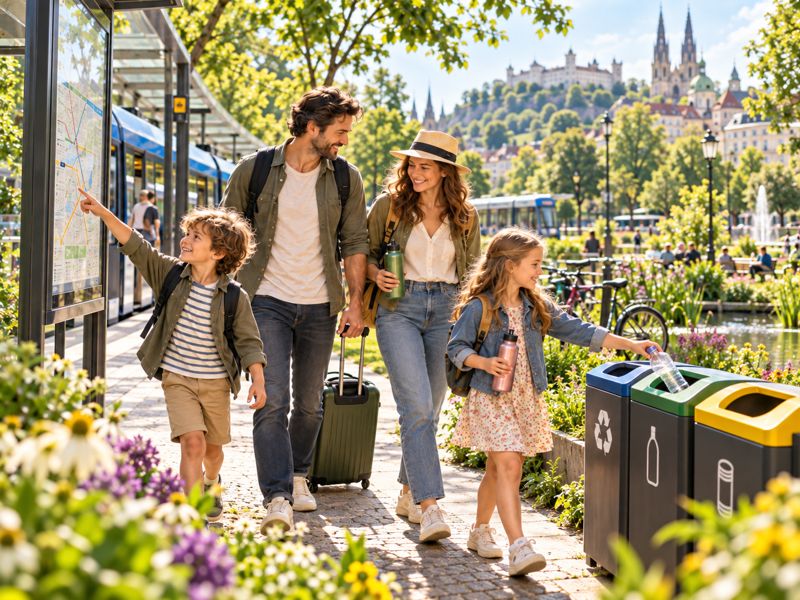
Children are naturally curious and often much more adaptable than adults when it comes to trying new things. Getting them involved in the sustainable aspects of your trip turns eco-friendly choices into a fun challenge rather than a boring set of rules.
You can task them with spotting recycling bins or let them be in charge of navigating the local tram system instead of taking a taxi. Older children might enjoy keeping track of how many journeys the family completes by walking or public transport. The aim is not to turn the holiday into a lesson, but to make sustainable choices feel like a natural part of exploring somewhere new.
City breaks do not have to be entirely concrete and museums. Seek out urban green spaces, botanical gardens or community farms. These spaces provide a vital sanctuary for local wildlife and offer children a brilliant place to burn off energy safely. Parks can also provide an inexpensive break between more structured activities, giving everyone an opportunity to slow down.
Showing children how cities are integrating nature into their design helps spark important conversations about the environment and leaves them with meaningful memories of your family getaway. Most importantly, it shows that travelling sustainably does not have to be complicated. A greener family city break is often simply about making thoughtful choices, one small decision at a time.