
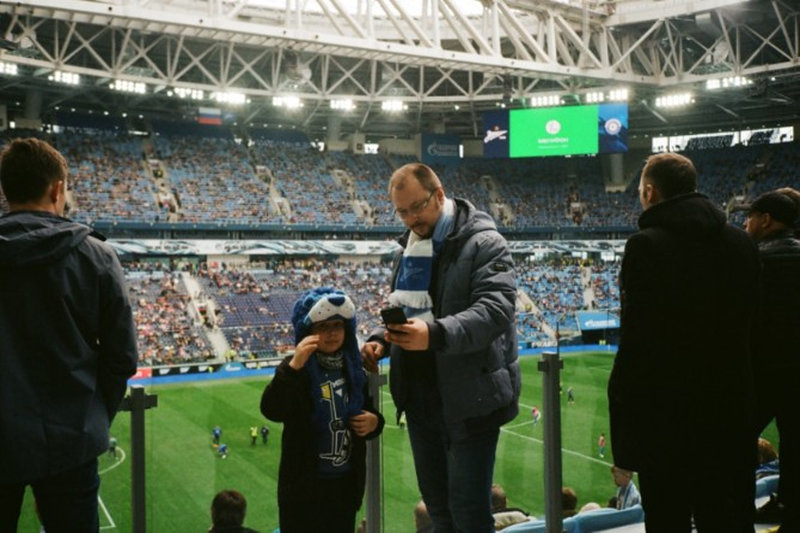
The football is the easy part.
What decides whether your child begs to come back is everything around it: the noise, the cold, the queue for the toilets and the slump around the 70th minute.
A little planning fixes most of that.
Here is how to get a first match right.
Pick the Match Before You Pick the Seats
Treat a first game as a day out, not a loyalty test. A mid-table home fixture with an early kick-off usually beats a title decider that finishes past bedtime. Parents who enjoy numbers sometimes check how European bookmakers rate each side, because a lopsided game often hands someone an early lead, while a tight one means ninety minutes of grown-ups gripping their scarves. Either way, you know what you are signing up for.
Next, look for the family stand. Rules differ by club, and the age line moves around. Cardiff City wants a junior under 16 with every adult in its Family Stand, and no adult without a junior. Wolves asks for an under 17 in the party, and Newcastle’s family enclosure needs an under 18 sitting next to you. Man City points families to its family stand because there is less bad language there.
No family stand at your club? Choose an aisle seat. Small legs need room to stand and wriggle, and a quick exit matters more than you think when someone announces they need the toilet in the middle of a corner.
What to Pack
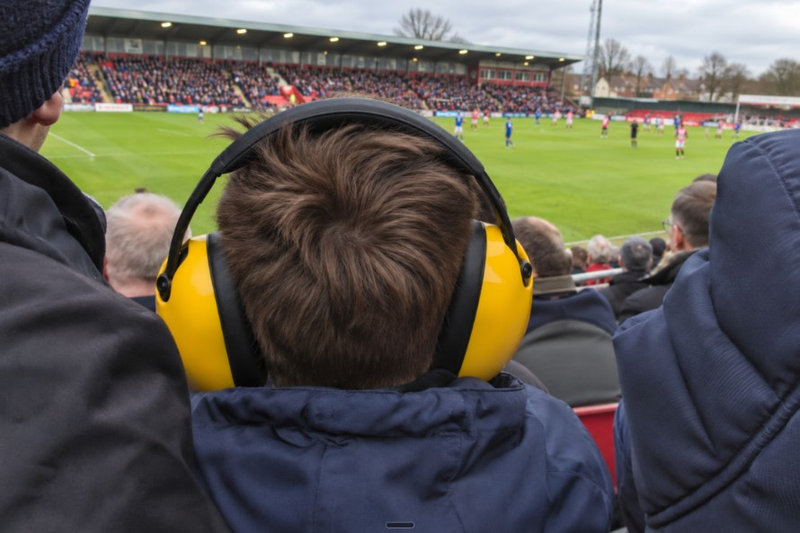
Keep the bag small and the list short. Everything below has earned its place.
- Ear defenders made for children. Try them on at home first, and put them on before the teams walk out.
- Thermal layers under trousers, plus a blanket for the smallest fans. Sitting still in a stand is colder than it looks, and one thick coat rarely does the job.
- A snack for the journey and the queue outside. A hungry child turns grumpy faster than a team goes a goal down.
- A meeting point. Agree on a landmark in the stand and another on the concourse, and tuck your phone number into a pocket or onto a wristband.
- A programme and a pen. Something to scribble on keeps restless hands busy.
Getting There Without Tears
Aim to arrive about an hour before kick-off. Turnstile queues move slower with small people in tow, and watching the players warm up is half the fun anyway. Know your gate before you leave home. Do the toilet trip before you take your seats, not during the first goal.
What to Expect Once You Are Inside
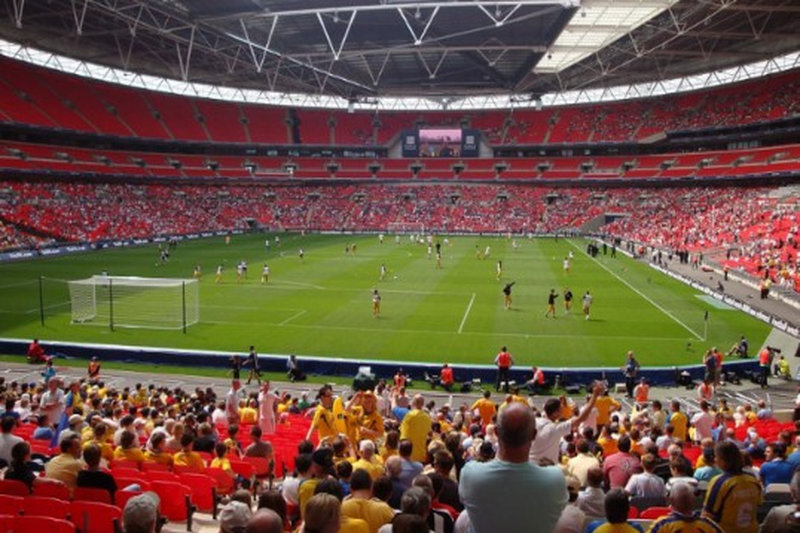
Loud is the headline. A packed stadium often sits between 90 and 105 decibels, and at 100 decibels adults get about 15 minutes before the risk of hearing damage climbs. Children have smaller ear canals, so a loud sound hits them harder. The charity RNID calls loud sound a leading cause of hearing loss, and one of the most preventable. Defenders are the sensible bit of the day.
If the volume bothers them, step out every 15 minutes or so. A children’s ear specialist at Johns Hopkins recommends short breaks away from the noise, and a walk to the concourse does the job.
Then there is attention. Most young children will not watch ninety minutes of football. They drift, study the mascot, count stewards in hi-vis and ask for a third snack. That is normal. Give them a job: tally the corners, spot the referee’s assistants, or write down who scores on the back of the programme.
Sat in a mixed section instead of a family one? Expect songs and some colourful chanting. Decide in advance how you will answer the questions that follow.
Make the Day Stick
The best part of a first match often comes after it. Buy a scarf or a badge, eat chips on the way home and ask for the best moment of the day. Their answer is rarely the goal. It is usually the mascot or the chips. Take a few photos along the way, because they make a lovely start to a family photo book later. If the crowd worries you, leave a few minutes before the final whistle, because the walk back is easier when you are not wedged in the crush.