
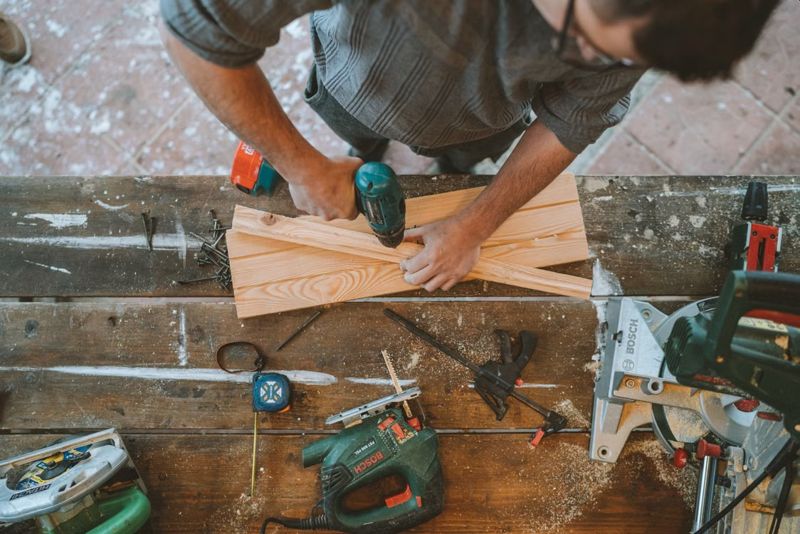
If you’ve never picked up a drill or hung a shelf before, the idea of DIY can feel daunting. Most of the jobs that crop up around a normal family home are far simpler than they look, and getting a handful of basics right will see you through almost everything on that nagging to-do list. None of what follows needs a workshop full of equipment or years of practice, just a bit of patience and the right basics close to hand. Here’s how to get started without any stress.
Get Your Tools and Fixings Sorted First
Before you tackle anything, it helps to have a small kit together, instead of hunting for the right item every time something needs fixing. A decent cordless drill, a spirit level, a tape measure, a claw hammer and a couple of screwdrivers will cover most jobs a beginner takes on. Keep them somewhere easy to grab, ideally in one box or drawer, so you’re not digging through the garage every time a picture needs hanging.
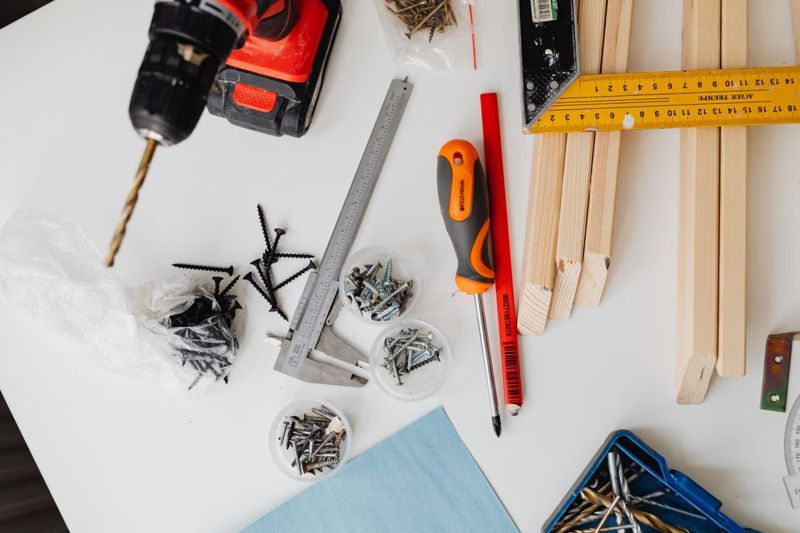
The same goes for fixings. Having the right nails and screws to hand makes most small jobs far less frustrating than digging through a mismatched jar of odds and ends looking for the one screw that fits. A small organised selection, covering a few different lengths and types, means you can get on with the job itself instead of making a special trip to buy a single screw halfway through.
Hang Pictures and Mirrors the Right Way
Picture hooks look simple, but a wonky gallery wall is one of the most common DIY frustrations. The trick is to measure twice. Decide the height you want the centre of the picture to sit at, around 145 to 150cm from the floor is a good general guide for most rooms, then measure down from the top of the frame to the hanging wire or hook to work out exactly where your fixing needs to go.
For anything heavier, such as a large mirror, check what the wall is made of before you start. Plasterboard needs a proper cavity fixing or anchor, not a simple nail, while a solid masonry wall will need a drill and a wall plug. A spirit level held against the frame, or even just a levelling app on your phone, will stop you from eyeballing it and getting it slightly off.
Put Up a Simple Shelf
A single floating shelf or a basic bracket shelf is a great first proper DIY project, because it brings together several skills at once: measuring, levelling, drilling and fixing. Start by marking where you want the shelf, then use a level to draw a straight guide line along the wall. Drill your holes, insert wall plugs if you’re fixing into masonry, and screw the brackets in before resting the shelf on top.
Don’t rush the marking stage. A shelf that’s a few millimetres out at one end will look crooked once you add anything to it, and it’s much easier to get it right before drilling than to fill and redrill holes afterwards.
Fix Flat-Pack Furniture and Wobbly Fittings
Flat-pack furniture is usually more forgiving than people expect, as long as you lay all the parts out first and check them against the instructions before you start building. Doing a dry run of the main frame, without fully tightening anything, lets you spot mistakes early and correct them without having to take the whole thing apart again later.
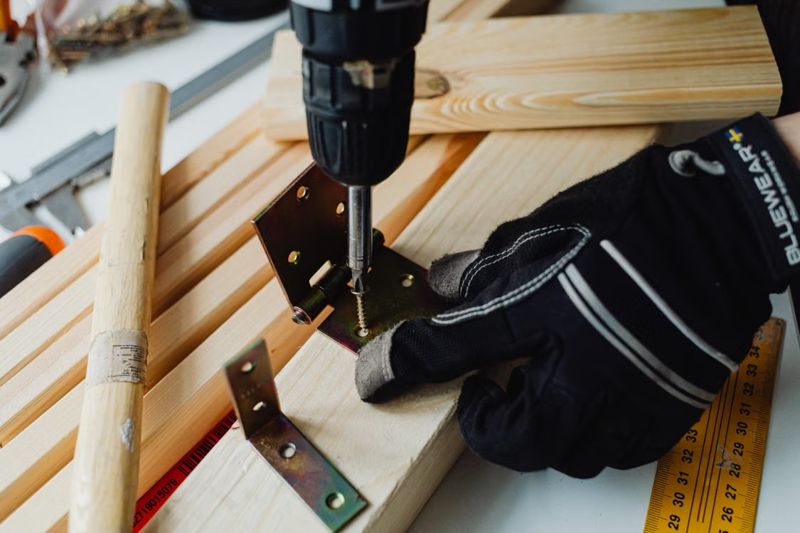
A wobbly dining chair or a cupboard door that won’t shut properly is usually down to a loose joint or a fixing that’s worked itself free over time. Tightening the screws on hinges and joints with a screwdriver is often all it takes. If a screw hole has worn too large to grip, filling it with a few wooden cocktail sticks and a dab of wood glue before replacing the screw will usually give it something to bite into again. Leave the glue to dry properly before you put any weight back on the joint, or it won’t hold for long.
Learn Basic Filling and Touch-Up Painting
Small holes, scuffed skirting boards and old picture-hook marks are easy to sort with some filler and a scraper. Apply a small amount, slightly overfilling the hole, then once it’s dry, sand it flush with the wall before painting over it. Keeping a little leftover paint from each room, labelled with the room and date, makes touch-ups far quicker the next time a mark appears.
Build Confidence with Seasonal Jobs Too
Once you’ve got a few indoor jobs under your belt, simple seasonal tasks are a natural next step. Putting up outdoor Christmas lights safely is a good example of exactly this kind of manageable job for a beginner: it uses many of the same basic skills, checking fixings are secure and taking care when working at height, without needing anything more specialised than what’s already in your toolbox.


Every DIY skill you build makes the next one a little less intimidating. Start with something small, take your time, and you’ll likely find that most everyday jobs around the house are well within reach, even if you’ve never picked up a drill before. Keep a note of what worked and what didn’t, so the next job goes a little faster than the last.