
Exploring the outdoors is a great way to discover new destinations, spend time with family, and take a break from everyday routines. Whether you are planning a weekend camping trip, a countryside escape, or a hiking adventure abroad, packing the right equipment can make a significant difference.
Outdoor travel gear should be selected according to the terrain, weather conditions, trip duration, and activities planned. The aim is to stay comfortable and prepared without carrying unnecessary weight.
Invest in Comfortable and Durable Footwear
Footwear is one of the most important considerations when preparing for an outdoor adventure. Uneven paths, muddy trails, rocky surfaces, and long walking distances require shoes that provide reliable traction and adequate support.
Lightweight hiking shoes are suitable for maintained trails and shorter walks. For more demanding terrain, hiking boots or suitable tactical boots with durable outsoles, cushioned midsoles, and reinforced construction may offer additional protection.
Consider breathability, flexibility, weight, and water resistance when comparing footwear. Waterproof boots are useful in wet environments but can retain more heat during warm-weather activities.
Try new footwear on with the socks you intend to wear during your trip. Allow enough room for natural foot swelling and break in your boots before attempting longer walks.
Choose Clothing That Adapts to Changing Weather
Outdoor temperatures can fluctuate considerably throughout the day, particularly in mountainous regions and exposed coastal areas.
A layering system allows travelers to adjust their clothing without carrying several bulky outfits.
Build a Practical Layering System
Each clothing layer serves a specific purpose:
- Base layer: Moisture-wicking fabrics help move perspiration away from the skin.
- Middle layer: Fleece or lightweight insulated jackets provide warmth.
- Outer layer: Waterproof and wind-resistant jackets protect against rain and exposure.
- Accessories: Hats, gloves, and neck gaiters offer additional protection when temperatures drop.
Avoid relying on cotton clothing in cold or wet environments. Cotton retains moisture and dries slowly, which can make it difficult to stay warm.
When traveling with children, pack spare clothing in waterproof bags. Wet socks or muddy pants can quickly bring an otherwise enjoyable family outing to an end.
Select a Backpack Suited to Your Adventure
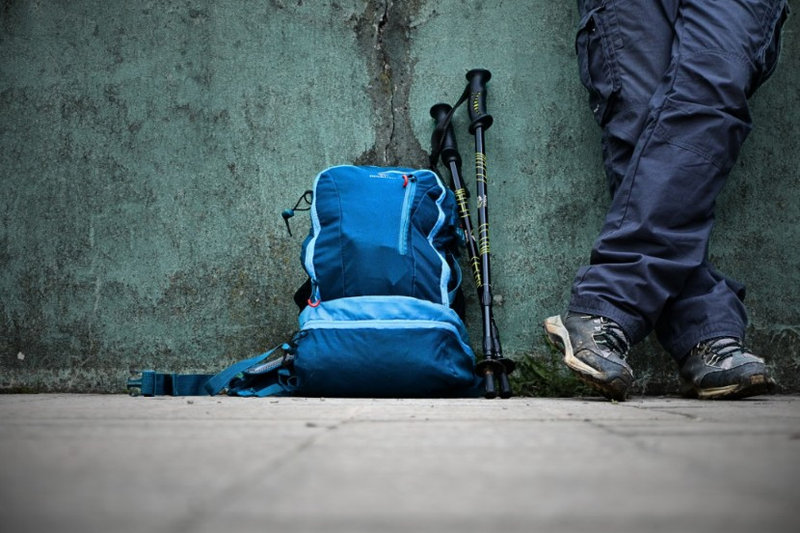
A comfortable backpack distributes weight effectively and keeps essential equipment accessible.
For shorter day hikes, a backpack with a capacity of approximately 20 to 30 liters is generally sufficient. Overnight trips may require a larger pack to accommodate sleeping equipment, additional clothing, and cooking supplies.
Look for adjustable shoulder straps, a padded hip belt, breathable back panels, and external compartments for water bottles.
Pack heavier items close to your back to improve stability. Keep frequently used equipment, including snacks, rain jackets, and navigation tools, within easy reach.
Children can carry small, lightweight backpacks containing personal items, but adults should manage heavier supplies and shared safety equipment.
Carry Reliable Navigation and Safety Equipment
Mobile navigation apps are useful when exploring unfamiliar destinations, but battery failure and limited network coverage can make them unreliable without proper preparation.
Download offline maps before departure and carry a physical map and compass when venturing into remote areas. Familiarize yourself with the route, elevation changes, trail junctions, and alternative return paths.
The National Park Service’s Ten Essentials guide provides a useful framework for preparing for unexpected weather changes, injuries, and other outdoor emergencies.
Pack Basic Emergency Supplies
Essential safety equipment should include:
- A first-aid kit with blister treatments and personal medications
- A headlamp with spare batteries
- An emergency whistle
- A portable charger and charging cables
- An emergency blanket or lightweight shelter
- Sunscreen and insect repellent
For remote adventures, consider a satellite communication device where mobile coverage is unavailable. Always share your planned route and expected return time with someone who is not joining the trip.
Prepare for Hydration and Nutrition
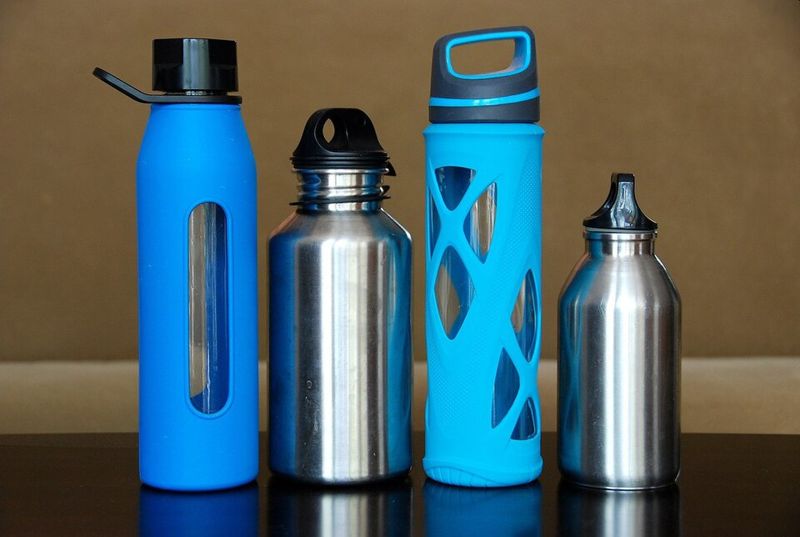

Physical activity, warm temperatures, and prolonged sun exposure increase fluid requirements. Carry enough drinking water for the planned journey, allowing extra supplies for unexpected delays.
Reusable bottles and hydration reservoirs provide convenient access to water while walking. Insulated bottles are particularly useful when traveling in hot or cold climates.
For longer trips where drinking water is unavailable, carry an appropriate water treatment system. Check whether the treatment method is suitable for the potential contaminants at your destination.
Pack lightweight, energy-dense foods such as dried fruit, crackers, trail mix, and protein bars. Choose snacks that tolerate transportation without refrigeration and accommodate any family dietary requirements.
Bring Suitable Camping and Overnight Equipment
If your outdoor adventure includes overnight stays, choose a tent designed for the expected weather conditions and number of occupants.
Check its waterproof construction, ventilation openings, packed dimensions, and setup requirements. Practice assembling the tent at home before traveling.
Sleeping bags should have a comfort temperature rating appropriate for anticipated nighttime conditions. An insulated sleeping pad helps reduce heat loss through contact with the ground.
For family camping trips, separate sleeping equipment and clothing into labeled waterproof bags. This makes campsite setup easier and helps keep belongings organized.
Pack According to Your Travel Plans
Before leaving, check local weather forecasts, trail conditions, baggage restrictions, and campsite facilities. Rent or borrow specialized equipment for occasional activities rather than purchasing gear you rarely use.
Test unfamiliar equipment at home and remove duplicate items that add unnecessary weight.
Choosing essential outdoor travel gear is about matching your equipment to the adventure. Reliable footwear, adaptable clothing, navigation tools, and appropriate safety supplies allow you to explore new destinations with greater comfort and confidence.