
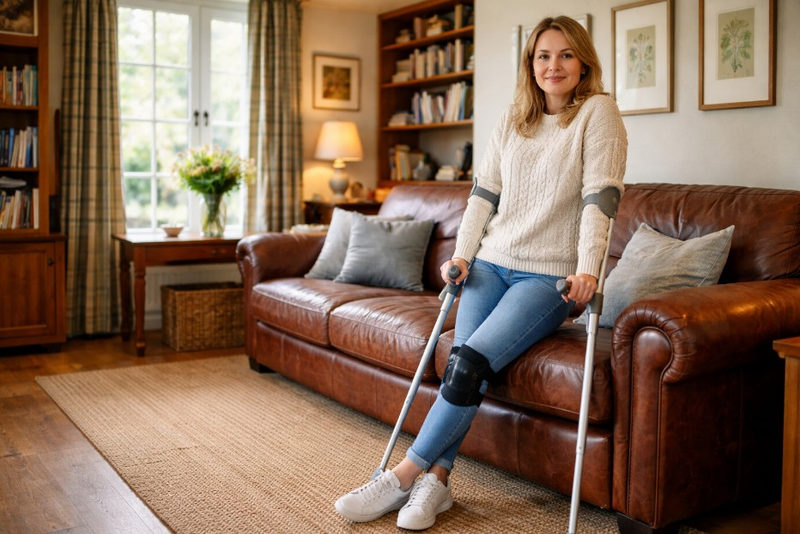
As mobility needs change, the home environment often needs to change too. Whether support is required due to ageing, injury, illness, or recovery, small and thoughtful home improvements can make daily life safer, more comfortable, and far less tiring.
Our blog here makes sure to focus on practical ways to improve a home to better support mobility, without turning it into a clinical space. The aim is to help people remain independent while reducing risk and strain.
Start With How the Home Is Used Day to Day
Before making changes, it helps to observe how the home is actually used. Mobility challenges often show up in specific routines rather than everywhere at once.
Pay attention to:
- Areas where movement feels slow or awkward
- Places where balance is tested, such as stairs or bathrooms
- Rooms that are avoided because they feel difficult to access
Understanding these patterns helps prioritise changes that will make the biggest difference.
Make Entrances and Pathways Easier to Navigate
Getting in and out of the home should feel secure and straightforward.
Simple improvements can include:
- Adding handrails near steps or doorways
- Removing uneven thresholds
- Improving lighting along hallways and entrances
If there are unobstructed pathways, this will reduce the risk of trips and make moving through the home feel less stressful.
Improve Stair Safety and Access
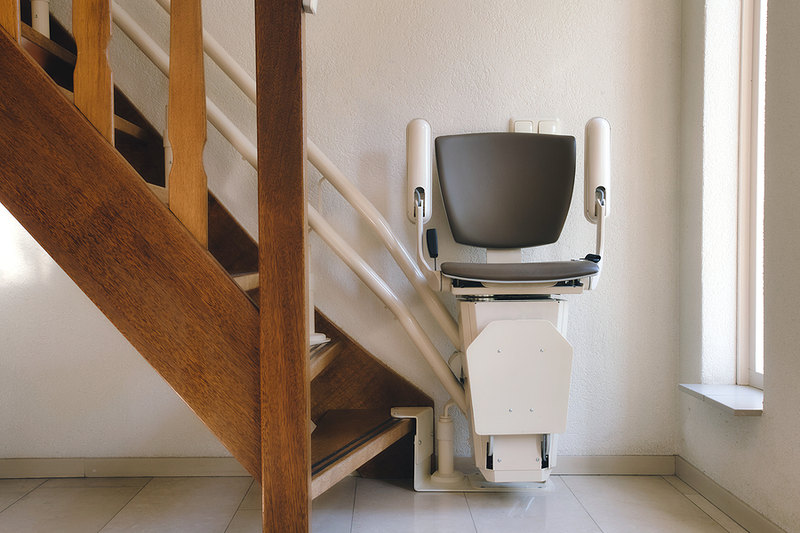
Stairs are one of the most common problem areas for people with reduced mobility, and even when someone can still manage stairs, fatigue or balance issues can increase the risk of falls.
Options range from additional handrails to more structured solutions. In homes where stairs are used daily, many affordable stairlifts can provide ongoing support while allowing people to stay in familiar surroundings.
Choosing the right option depends on layout, usage, and long-term needs.
Adapt Bathrooms for Stability and Confidence
Bathrooms often require the most careful attention, as they combine hard surfaces with moisture.
Helpful adjustments may include:
- Grab rails near toilets and showers
- Non-slip flooring or mats
- Walk-in showers or level-access designs
These changes support independence while reducing the chance of slips or sudden loss of balance.
Rethink Furniture Layout and Height
Mobility support isn’t only about specialist equipment, it’s more so everyday furniture plays a role too.
Small adjustments can help, such as:
- Making sure chairs and beds are easy to get in and out of
- Removing low furniture that creates obstacles
- Creating straightforward turning space for walking aids
A well-planned layout reduces effort and makes movement more natural.
Support Recovery and Ongoing Care Needs
Some people need mobility support temporarily, while others need it long term. With the latest stats on the state of elderly healthcare, homes often need to adapt during recovery from surgery, illness, or injury.
In these situations, changes may be part of a wider care plan that includes professional guidance or rehab support. Home adjustments can complement this process by creating a safer environment for regaining strength and confidence.
Planning with future needs in mind can prevent repeated changes later on.
Use Technology to Add Quiet Support

Modern technology can provide support without being intrusive.
Examples include:
- Motion-sensor lighting for night-time movement
- Smart doorbells or intercoms
- Voice-controlled systems for lights or heating
These tools reduce physical effort while supporting independence.
Prioritise Changes Without Overdoing It
Not every home needs every adjustment. Prioritisation helps keep changes manageable and appropriate.
A practical order is:
- Address immediate safety risks
- Improve access to essential areas like bedrooms and bathrooms
- Support daily routines such as bathing or stair use
- Add comfort and convenience features
This approach keeps the home functional without making unnecessary alterations.
Making Sure It’s the Right Conditions for You
Improving a home for extra mobility support is about understanding daily needs and responding with thoughtful, well-chosen changes. Small improvements often have the biggest impact, especially when they reduce risk and preserve independence.
With the right adjustments, homes can remain welcoming, familiar spaces that support movement, confidence, and quality of life, both now and in the future.