
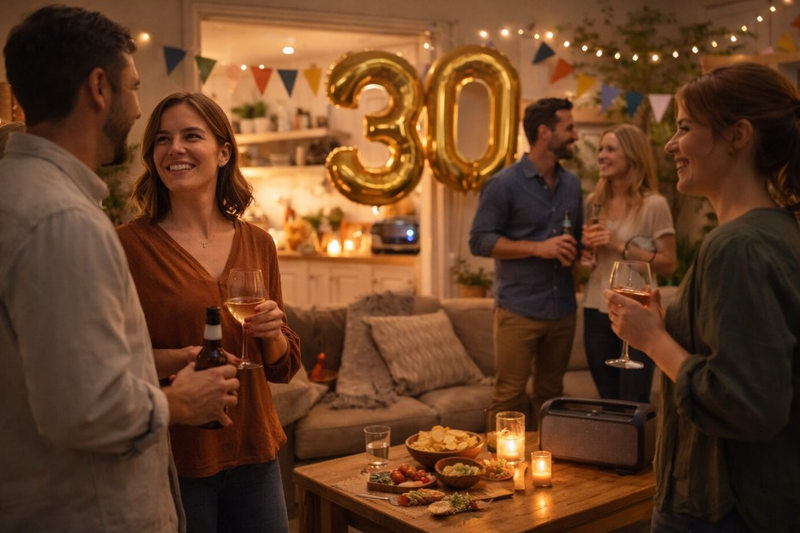
A birthday party can have beautiful food, a great venue, and a room full of people you love—yet still feel oddly flat if the music misses the mark. That’s because music doesn’t just “fill silence.” It sets the pace, nudges strangers into conversation, and quietly tells everyone what kind of night they’re having. Are we sipping and catching up, or are we dancing until the lights come on?
Getting it right isn’t about chasing a perfect playlist or obsessing over one “killer” song. It’s about making a few smart decisions early: who you’re playing for, how the night will flow, and what level of control you want in the moment. If you treat the music like part of the event design (not a last-minute add-on), everything else tends to click into place.
Start with the crowd, not the genre
Before you pick a single track, take two minutes to sketch the room you’re creating.
Who’s actually coming?
A 30th with mostly friends from work is a different musical brief than a 60th with family across three generations. The most common mistake is choosing music for “you” in isolation, rather than “you in this room with these people.”
A simple approach: identify your “core” group (the people you most want on the dancefloor) and your “bridge” group (the people who can be brought along with the right selections). For example, 90s R&B might be core for you, while upbeat pop classics act as the bridge that pulls in older relatives and friends’ partners.
What does the space allow?
Small living room? You’ll feel bass more quickly, lyrics will cut through conversations, and the dancefloor might need to be “created” by pushing furniture back. Big hall? You’ll need more presence and clarity so the music doesn’t get lost. Either way, the best sound is the sound that fits: loud enough to energise, controlled enough that people can still talk when they want to.
Choose your music engine: DJ, playlist, or a hybrid

There’s no moral victory in doing it all yourself. The real question is: do you want the night to be “managed” musically, or simply “accompanied” by music?
A playlist works well when the party is small, timings are loose, and you’re happy to accept a few lulls. A DJ becomes valuable when you want momentum, fast adjustments, and someone who can read the room—especially with mixed ages and shifting energy.
If you’re considering a DJ, it helps to look at options early so you can match style and experience to your crowd. You can view available DJs for birthday events and get a sense of what different setups and approaches look like, which makes the rest of your planning (timings, kit, space) far easier.
The underrated middle ground
A hybrid approach often wins: curated playlists for arrival and food, then a DJ (or a confident friend with a tight plan) for the “hands-on” dancing portion. This keeps costs sensible while still protecting the peak moments of the night.
Build a musical arc (your party needs chapters)
People remember the shape of a night more than the exact songs. Plan the music as a sequence of moods, like chapters in a story.
A practical arc you can adapt
Try thinking in phases rather than obsessing over a single playlist:
- Arrival (30–60 mins): warm, mid-tempo tracks people recognise, nothing too aggressive.
- Mingling (60–90 mins): slightly higher energy, but still conversation-friendly.
- “Switch” moment: a clear signal that the party is changing gear (a toast, cake, a birthday anthem, a short speech).
- Dance peak (90–150 mins): high-energy run with familiar choruses and confident transitions.
- Second wind: a few curveballs for your core group—genres you love, throwbacks, guilty pleasures.
- Last songs (10–20 mins): deliberate closing tracks; don’t let the end happen accidentally.
That “switch” moment matters more than people think. Without it, you get a party that hovers at polite background volume all night. With it, you give everyone permission to move from chatting to celebrating.
Tempo and familiarity beat “cool”
At birthday parties, the dancefloor responds to recognition and rhythm. The most effective sets usually blend tracks people know with enough variation to keep it fresh. If you’re unsure, prioritise songs with strong openings and clear hooks—people decide whether to dance in the first 15 seconds.
Get the technical basics right (so the vibe doesn’t collapse)
You don’t need to become a sound engineer, but you do need to remove avoidable friction.
Volume: the social sweet spot
Aim for a level where:
- people can talk without shouting during early phases, and
- the dance section feels like a “lift” rather than just louder background music.
If you’re using a playlist, test volume with a few guests in the room—empty rooms are deceptive. Soft furnishings, bodies, and chatter all change what you hear.
Equipment: invest where it counts
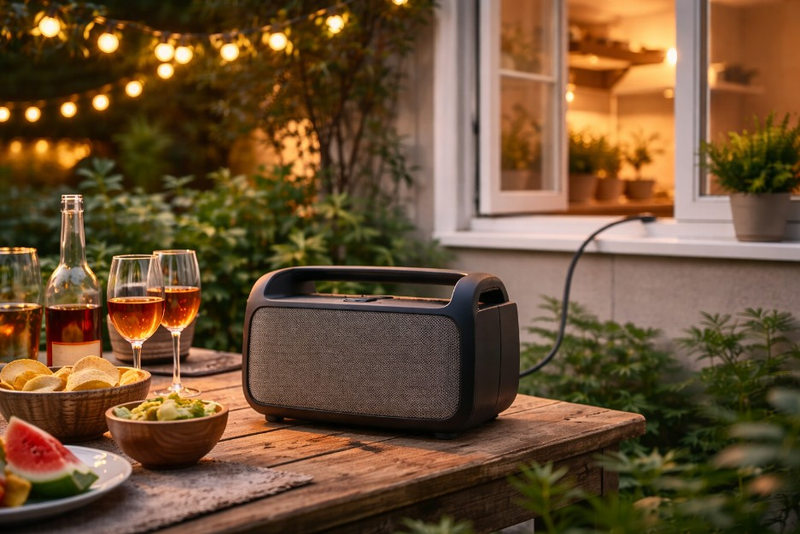
Tiny Bluetooth speakers struggle once the room fills up. If dancing is even a remote possibility, you want a system with clean mids (vocals) and controlled bass (punch without wobble). Also, plan for power sockets, cable routes (trip hazards are real), and a safe spot for drinks away from kit.
And whatever you do: have a backup. A second phone, downloaded playlists (not just streaming), spare charging cables. Parties are surprisingly good at finding the one weak link.
Make it personal—without letting requests hijack the night
Great birthday music feels specific. That doesn’t mean you need an obscure, hyper-curated soundtrack; it means the night should include your fingerprints.
Create a “must play” and a “do not play”
Keep both lists short. Ten “must plays” is plenty. For “do not play,” be honest—if certain songs will empty the room or annoy you, say so.
Handle requests with a light touch
Requests can be gold (they tell you what the room wants) or chaos (they derail the arc). A simple rule: accept requests that match the current chapter of the night. Save the rest for the second wind, or politely pass.
Plan two or three “moment” songs
Think beyond the dancefloor:
- a walk-in track that makes people grin,
- a cake-cutting song that’s fun rather than cheesy,
- a final track that feels like a proper send-off.
Those are the musical memories guests take home.
The takeaway: design the night, then let the music do its job
When the music works, you’ll feel it: conversations loosen, photos look happier, and the dancefloor fills without anyone forcing it. Start with the crowd, choose the right level of live control (playlist vs DJ), build a clear arc, and cover the technical basics. Do that, and the “right songs” tend to reveal themselves naturally—because you’ve built the right environment for them to land.