
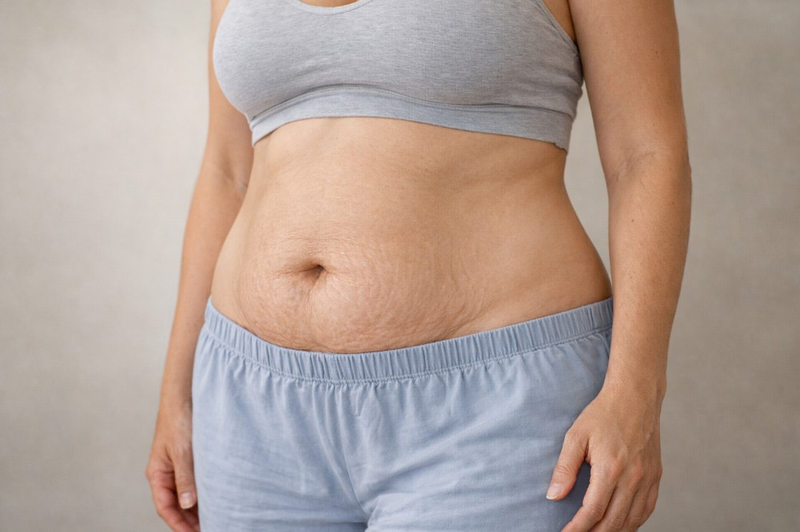
The postpartum period represents one of life’s most profound physical and emotional transitions, yet new mothers often feel woefully unprepared for the reality of recovering from birth whilst simultaneously caring for a newborn. The cultural narrative around “bouncing back” after a baby creates unrealistic expectations that ignore the fundamental truth: your body has spent nine months growing a human and then went through the intense physical experience of birth. Recovery is not weakness. It’s biology. Understanding what genuinely supports postpartum wellness versus what’s marketing nonsense helps new mothers navigate this challenging period with more self-compassion and better outcomes.
The postpartum body deserves the same respect and care as the pregnant body received, yet it often gets neglected amidst the demands of newborn care and the pressure to return to pre-pregnancy appearance and function. The mothers who recover most successfully are those who reject “bounce back” culture and embrace the slower, more realistic process of healing and gradually rebuilding strength whilst honouring that their bodies have permanently changed in some ways.
Understanding That Recovery Takes Actual Time
Perhaps the most important postpartum wellness truth is that genuine recovery takes months, not weeks, regardless of what celebrity social media posts suggest. The uterus requires approximately six weeks to return to pre-pregnancy size. Abdominal muscles stretched during pregnancy need months of gradual strengthening to regain function. The pelvic floor muscles that supported pregnancy and went through labour require careful rehabilitation. Hormonal fluctuations continue for months, affecting everything from mood to metabolism to sleep quality.
The traditional six-week postpartum check-up, whilst important, doesn’t signal complete recovery or clearance for all activities. It simply indicates that acute healing from birth has progressed sufficiently that major complications are unlikely. Returning to high-impact exercise, heavy lifting, or other demanding activities often requires additional months of gradual progression, even with medical clearance at six weeks.
C-section recovery follows an even more extended timeline because you’re healing from major abdominal surgery while caring for a newborn. The c-section scar requires careful management during healing to minimise complications and optimise long-term appearance. Initial healing takes six to eight weeks, but the scar continues to mature and remodel for up to two years. Gentle scar massage once fully healed, appropriate wound care during initial healing, and protecting the incision from sun exposure all contribute to better scar outcomes.
Prioritising Sleep Above Everything Else

Sleep deprivation represents the single most challenging aspect of early motherhood and the factor most undermining postpartum recovery. Chronic sleep disruption affects physical healing, emotional regulation, cognitive function, and every other aspect of wellbeing. Yet new mothers often sacrifice their own sleep for housework, responding to messages, or other activities that seem urgent but aren’t.
The advice to “sleep when the baby sleeps” may sound trite, but it represents genuinely essential wisdom. Day sleep counts. Even 30-minute naps provide meaningful recovery benefits when nighttime sleep is fragmented. Accepting that household standards must temporarily drop isn’t laziness but an intelligent prioritisation of recovery over appearances.
Partners and support systems bear responsibility for enabling maternal sleep. Night feeding duties can often be shared through pumped bottles or formula supplementation, allowing mothers consolidated sleep blocks even during breastfeeding. Family members visiting should be doing laundry and cooking meals, not requiring entertainment whilst the exhausted new mother serves tea.
Nutrition for Recovery and Breastfeeding
Nutritional needs during postpartum often exceed pregnancy requirements, particularly for breastfeeding mothers producing 600 to 800 calories worth of milk daily. Yet exhausted new parents frequently survive on whatever requires minimal preparation, creating nutrient deficits that undermine recovery.
Protein requirements are especially elevated to support tissue healing and, if breastfeeding, milk production. Aim for protein at every meal through whatever sources feel manageable: eggs, Greek yoghurt, nuts, lean meats, fish, legumes, or protein shakes when cooking feels impossible. Iron-rich foods support recovery from blood loss during birth, with many women experiencing postpartum anaemia that exacerbates fatigue.
Hydration matters enormously, particularly for breastfeeding mothers. Keep water bottles everywhere you might nurse or bottle-feed, drinking throughout the day rather than trying to consume large amounts occasionally. Dehydration affects milk supply, energy levels, and recovery.
Preparation matters more than perfection. Batch-cooking and freezing meals during late pregnancy or accepting meal trains from friends and family removes the cooking burden when you’re least capable of it. Nutrition bars, pre-cut vegetables, rotisserie chickens, and similar convenience foods prove invaluable despite not being Instagram-worthy.
Movement and Exercise Approached Gradually
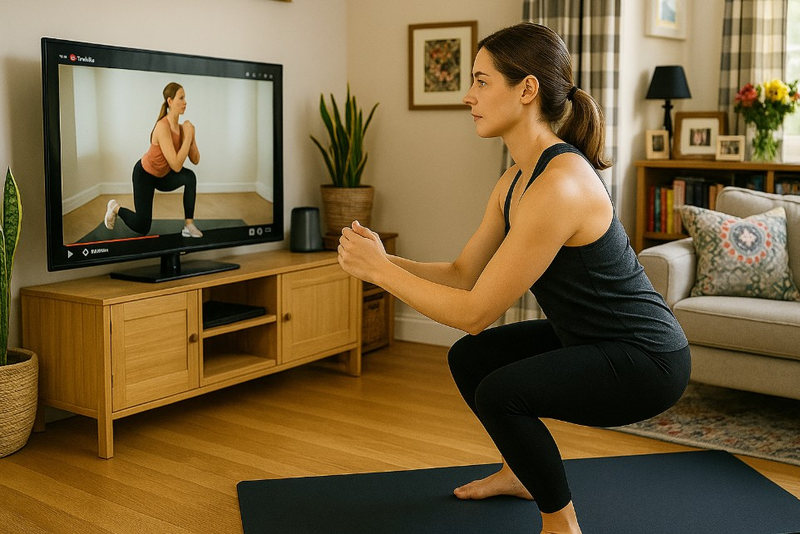
Gentle movement supports postpartum recovery, but the “no pain, no gain” mentality has no place in the postpartum period. Walking represents the ideal early exercise, starting with short distances and gradually increasing as stamina rebuilds. Fresh air and gentle movement benefit both physical recovery and mental health without risking injury from premature intensity.
Pelvic floor physiotherapy should be standard postpartum care for all women, not just those experiencing obvious problems. The pelvic floor went through significant strain during pregnancy and birth, regardless of delivery method. Proper assessment and targeted exercises prevent long-term issues, including incontinence and pelvic organ prolapse, whilst supporting return to higher-impact activities when appropriate.
Core rehabilitation focusing on deep abdominal muscles (transverse abdominis) and pelvic floor coordination should precede traditional abdominal exercises. Crunches, planks, and similar movements before re-establishing proper core function risk worsening abdominal separation (diastasis recti) rather than resolving it. Many women benefit from working with physiotherapists specialising in postpartum recovery to ensure proper progression.
High-impact exercise, including running, jumping, or heavy lifting, should wait until pelvic floor function is re-established and core strength is rebuilt, often for at least three to six months postpartum. The pressure to “get back in shape” quickly creates real risks of injury and long-term pelvic floor dysfunction that could be avoided with patient progressive exercise.
Mental Health Deserves Equal Attention
Postpartum mental health struggles are common, ranging from “baby blues” affecting 60 to 80% of new mothers to postpartum depression affecting 10 to 20% to rarer but serious postpartum anxiety, OCD, or psychosis. The hormonal shifts, sleep deprivation, identity adjustment, and life disruption that new motherhood involves create genuine mental health vulnerability.
Distinguishing between normal adjustment difficulties and clinical mental health issues requiring intervention proves challenging when you’re in the midst of it. Warning signs include persistent sadness lasting beyond two weeks, difficulty bonding with the baby, intrusive thoughts about harm to yourself or the baby, overwhelming anxiety, loss of interest in normally enjoyable activities, or feeling unable to cope with daily demands.
Seeking help is not a weakness but responsible self-care that benefits both you and your baby. Talk to your GP about symptoms, consider therapy even if you don’t meet criteria for a formal diagnosis, and lean on your support network. The cultural pressure to appear blissfully happy as a new mother prevents many women from acknowledging struggles that are actually extremely common.
Body Image and Realistic Expectations
Your body looks and feels different after pregnancy and birth. Some changes are temporary and will resolve with time and appropriate exercise. Others are permanent. Neither category deserves shame nor requires frantic attempts at reversal.
The postpartum body often includes: a softer abdomen, stretched skin, changes in breast size and shape, wider hips, linea nigra, stretch marks, and other visible changes. These don’t represent failure or lack of effort. They’re evidence that your body did something extraordinary. Accepting this doesn’t mean you can’t work toward fitness goals, but it does mean releasing the expectation of an identical pre-pregnancy appearance.
Social media creates profoundly unrealistic expectations through filtered photos, strategic angles, professional lighting, genetic advantage, and, in some cases, cosmetic procedures presented as achievable through diet and exercise alone. The celebrities appearing to “bounce back” within weeks had professional support, resources for childcare and personal training, and often significant photo editing. Comparing yourself to these images serves no purpose except undermining your wellbeing.
Honouring the Transformation
Becoming a mother involves a profound transformation that extends beyond the physical. Your identity shifts, priorities reorganise, and life changes irrevocably. This transformation deserves space and acknowledgement rather than pressure to minimise its impact whilst appearing unchanged.
The postpartum period is not about returning to your pre-pregnancy self. It’s about discovering who you are as a mother whilst healing from the physical demands of pregnancy and birth. This process cannot be rushed, optimised, or achieved through perfect adherence to wellness routines. It simply requires time, self-compassion, adequate support, and recognition that you’re navigating one of life’s most challenging transitions whilst sleep-deprived and hormonally turbulent.
Grant yourself the grace, patience, and support you would offer a dear friend in the same situation. Your postpartum wellness matters not just for you but for your baby who needs a mother healthy in body and mind. Prioritising your recovery isn’t selfish. It’s essential for the family you’re building.