

Many UK households now spend over £600 a year on digital services they rarely use. These “vampire” payments drain bank accounts quietly while providing very little actual value in return. Identifying which services improve your daily life and which ones simply clutter your statement is the first step toward reclaiming your income.
Identifying the Value in Your Digital Life
Most people treat their direct debits like a fixed part of their landscape. They forget that every monthly fee represents a choice to exchange hours of work for a specific product. Recent data from major UK lenders suggests that the average person pays for at least one service they have not accessed in over six months. This habit turns a small £10 monthly charge into a significant annual loss of £120.
Meaningful financial management starts with a brutal assessment of how you spend your leisure time. Some enthusiasts find that tracking various entertainment platforms offers a specialized type of thrill, such as using a 1xBet to compare global tournament data during their commute. Real engagement comes from services that actually get used rather than those that just sit on a screen. A streaming giant might boast about thousands of titles, but the price only makes sense if people actually sit down to watch.
Cutting the cord requires a clear look at where your time actually goes each week:
- Check the banking app for any recurring names that no longer ring a bell.
- Separate the “must-haves” like a phone plan from “nice-to-haves” like that fancy gym membership.
- Audit your family sharing plans to ensure you are not paying for duplicate accounts across different household members.
The Psychological Trap of Free Trials

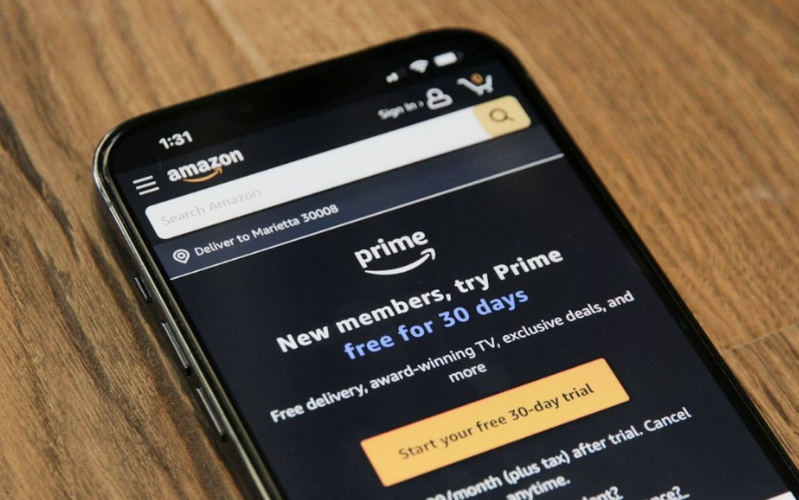
Companies design the “free trial” specifically to exploit human forgetfulness. They know that once a credit card is on file, the friction of cancelling becomes a psychological barrier for the consumer. Statistics show that nearly half of UK consumers have accidentally paid for a subscription after a trial period ended without their consent. The Office for National Statistics tracks how rising service costs impact the typical household, proving that these small leaks add up quickly.
Marketing teams use “inertia” as a primary sales tool. They bet on the fact that you are too busy to navigate a three-page cancellation process. This tactic is so effective that some firms make it intentionally difficult to find the “delete” button in their mobile apps. If a service requires a phone call to cancel but only a click to join, it is probably a sign of a predatory business model.
A good subscription should feel like a win every time the bill comes out. If a notification about a payment causes a sharp sting of regret, the service has definitely lost its spark. Paying for a hobby that no longer happens is just a way of funding a ghost of a past self.
Consider using these strategies to avoid the trial trap:
- Set a calendar alert for two days before a trial period expires.
- Use disposable virtual cards that limit the amount a company can charge.
- Pay for an annual plan only after you have used the service consistently for three months.
Navigating the Multi-Platform Maze
Streaming fatigue is a real economic phenomenon in the British market. With every major studio launching its own platform, the cost of “having everything” now rivals the old cable packages people used to hate. Many users find themselves cycling through four or five different video services while only watching one show on each. The Bank of England explains how the general rise in prices makes these overlapping costs even more damaging to your overall budget.
Smart consumers are moving toward a “rotation” strategy. They subscribe to one service for a month, finish the content they want, and immediately cancel before moving to the next. This approach treats subscriptions like a library rather than a permanent utility. It requires more effort but saves hundreds of pounds over a calendar year.
Brand loyalty usually works against the customer in the digital world. Companies often save their best deals for the new arrivals while long-term fans get hit with steady price hikes. A quick check of the account settings might reveal a dusty “legacy” plan that costs more than the current basic offer. Often, the same shows or features are hiding on a different site for a much lower price.
Think about these questions before your next billing cycle:
- Did anyone in the house actually use this service in the last month?
- Is the convenience of this app truly worth more than the cash it takes?
- Can the same results be found for free or at a fraction of the cost?
True financial freedom does not come from a massive windfall. It grows from the accumulation of small, disciplined choices made every month. Stop paying for the version of yourself that you wish you were and start paying for the person you actually are.