
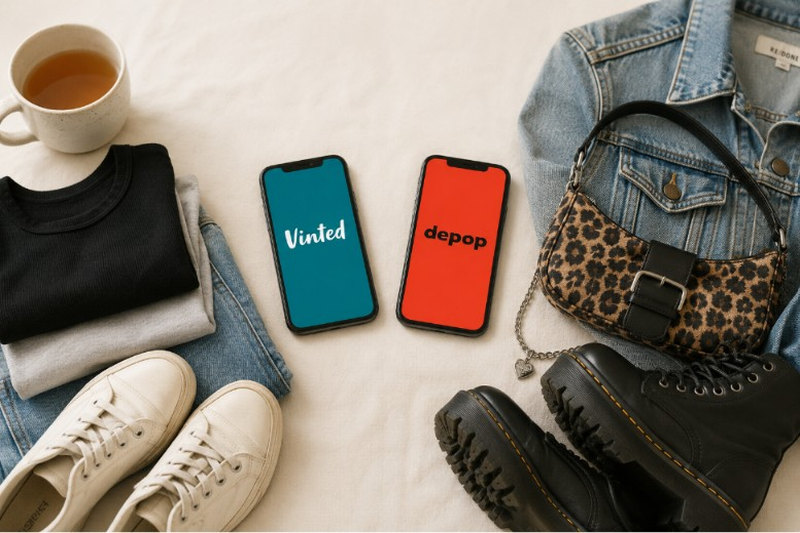
If you have ever opened the Vinted app for a quick browse while the kettle boils, and found yourself 40 minutes later with a cold cup of tea and a whole new wardrobe on the way, you understand that second hand shopping can be addictive.
For a long time now, Vinted has been dominating this space for buyers and sellers, but there is another platform muscling its way in: Depop.
Depop has been around almost as long as Vinted, but hasn’t had nearly the same level of success. There’s nothing wrong with the platform, it was just marketed slightly differently and didn’t quite catch on in the same way.
However, as Vinted has expanded into other areas, it has ceased to be a second hand clothes app and turned into more of a second hand everything app. That has left a space for Depop, which is still committed to fashion, to move in.
You might already know that I am a Vinted girl, even now it has been bloated with non-fashion categories, but I use Depop too. The two platforms have very different purposes.
The secret, is knowing which one to use and why. So, Vinted or Depop? Here’s your answer.
What Vinted is Best For
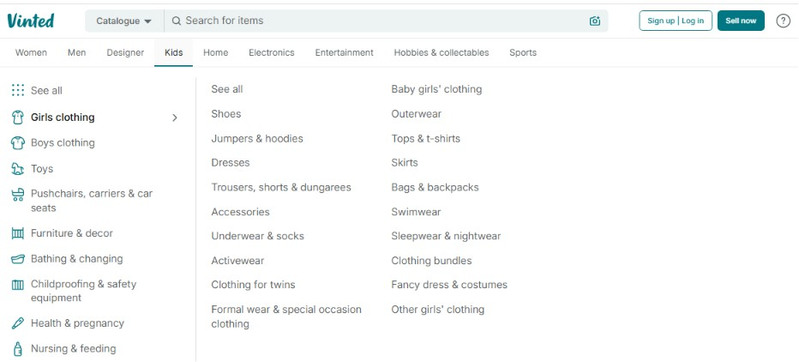
I use Vinted more than any other platform, and that’s because it’s the best option for most everyday items.
Since it expanded its range of categories to include – well, pretty much anything now – it’s the easiest place to offload almost everything you don’t need anymore that still has value. It’s still great for clothes and shoes, but you can also buy and sell homeware, electronics, books, games, sports stuff, tools, office supplies – literally anything.
It’s a low effort way to have a punt as a seller (because someone might buy those old pumps for £3 right?), and a super satisfying way to have an aimless browse as a buyer, as well as searching for something specific.
The main issue for me, is that Vinted’s rapid rise to stardom means the listings can be wildly unrealistic, and the algorithm isn’t always the best.
For example, the amount of “like new, worn once or twice” items that have clearly lived a very full and dramatic life is very annoying. Vinted is so massive that these listings aren’t usually challenged, so you can end up having your time wasted.
On the algorithm point, it does lean rather too heavily on the last thing you looked for. So when you are browsing you don’t always get a varied feed of items you might be interested in right away. It depends on your history.
What Depop is Best For
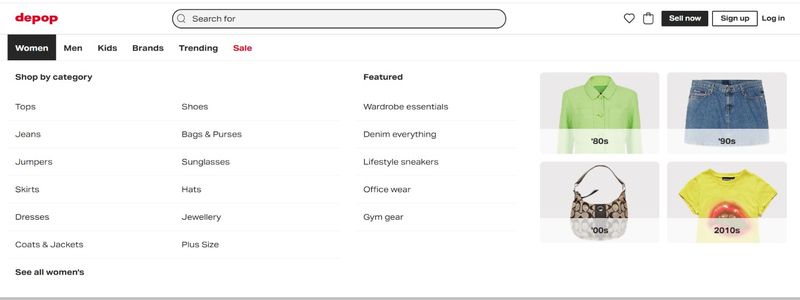
Depop, owned by eBay, is a much more fashion led platform.
Yes, it only sells clothes and accessories, but you will find less dross on there and more on trend, statement pieces. Think vintage jackets, Y2K, unusual bags, festival or raceday outfits. That sort of thing.
It’s marketed this way to appeal to a younger, more trend conscious audience with a stronger sense of personal style. Not people like me who just want something that hides my waistline 😂 This is important though, because the user base is what keeps the content strong.
Depop is less like a giant jumble sale and more like a carefully curated second hand wardrobe. You will probably struggle to sell a bundle of supermarket kids clothes here, that’s firmly Vinted territory, but if you have something unusual, limited edition, or with real personality, you could get more for it on Depop.
Think band tees, cowboy boots, leather jackets, trendy streetwear, 90s stuff, statement accessories – that sort of thing.
The main thing though, is that Depop is very much a dedicated fashion app. So if you want a cleaner interface and feed when browsing, you will probably like it.
For Buying
As a buyer, Vinted requires either precision searches, or wading through piles of everyday stuff to find a hidden gem. Depop, on the other hand, is a more pleasant browsing experience for people who like shopping for inspiration as much as to buy something.
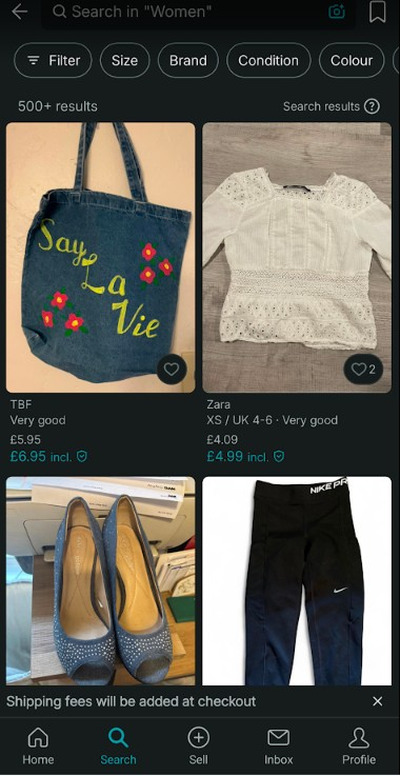
You’re also much more likely to impulse buy on Vinted because so many of the listings are inexpensive. Depop is a place to make more purposeful purchases.
That’s also because prices tend to be higher on Depop. That’s because the items are generally better quality, and you will notice that sellers take more care in their listings on Depop too. You can expect more helpful listing info, better photos, etc.
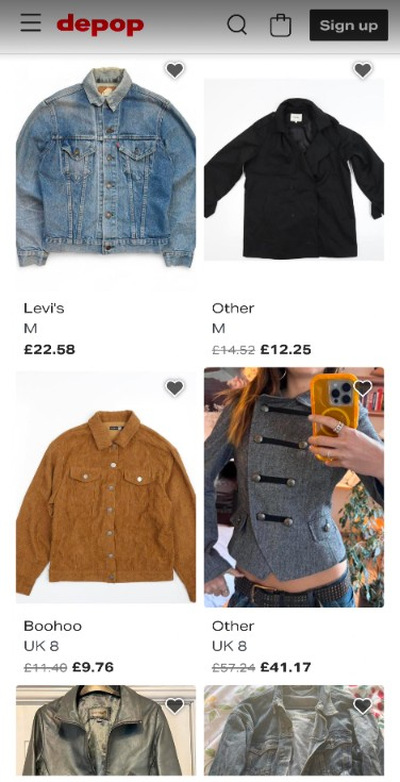
I prefer the way Depop shows costs to the buyer too. The headline price includes the item price, fees, and shipping. Vinted shows you the item price, a price including their Buyer Protection fee underneath, but then shipping is added on later.
It just means that what looks like a £5 bargain can end up costing more like £10 by the time you check out, which can take the shine off. With Depop, what you see is what you pay.
For Selling
If you want selling to be quick and easy, you can’t ask for much more than Vinted. You can get into a real rhythm with it if you have a lot to sell.
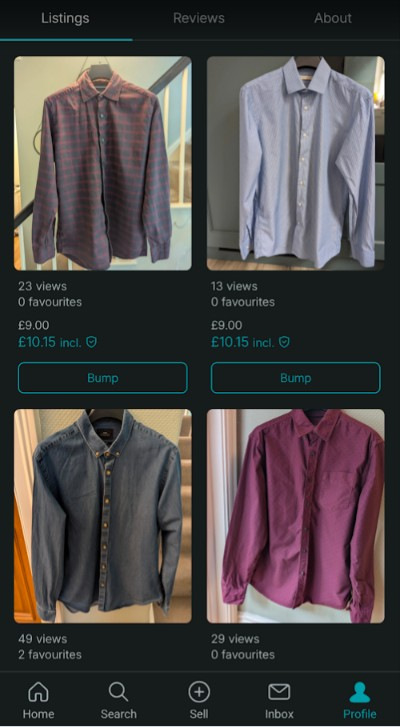
Take some photos on your phone from within the app, choose your category, condition, and price, plus a few other bits, add any additional info, and list. It takes minutes at most.
Plus, seemingly everyone in the country uses it, so it’s the best place to get stuff shifted quickly, especially if it’s low value.
It’s just as quick and easy on Depop, but the expectations are a bit higher in terms of listing quality. So you will have more joy if you present your items in a more professional way, and give a bit more detail.

It might take a little longer for something to sell on Depop, but your buyers will likely be more motivated when they find your item.
Buyers can make offers and sellers can send offers on both platforms, so there isn’t a huge difference in that respect.
Fees

Selling on Vinted is 100% free. There is no charge at any point in the process unless you decide to bump your item. So you know exactly what you are going to get paid when you sell an item or accept an offer for something.
On Depop, selling is technically free, but you do pay a 2.9% payment processing fee plus £0.30p. So this needs to be factored in, and probably goes some way to explaining why prices tend to be a bit higher on Depop.
When selling cheap items, this makes a bigger impact, but when selling more expensive items, sellers won’t really notice the small cost.
This does, of course, mean that the platform fees are paid by the buyers, in both cases.
On Vinted, the buyer protection fee is between 3% and 8% plus £0.30p to £0.80p. No one is quite sure what the official formula is, but it’s always pretty small for low value items. You might pay 90p total on a £4 River Island top, for example.
On Depop, they charge up to a 5% platform fee + up to £1. Again, it’s not clear exactly how this works, but the fee is shown to you so it’s all very transparent. It works out almost exactly the same as Vinted’s platform fees in most cases.
Side By Side Comparison
To make it a bit easier to compare Vinted and Depop, I’ve made this side by side comparison table – and I won’t lie, I’m feeling smug about my tech skills!
| Feature | Vinted | Depop |
|---|---|---|
| Best For | Everyday decluttering and practical second-hand buying | Trend-led fashion, vintage, streetwear and individual style |
| Main Audience | Broad: families, students, parents, bargain hunters, casual sellers | Younger, more fashion-conscious buyers and sellers |
| Categories | Clothes, kids’ items, home, electronics, entertainment, hobbies, collectables, sports and more | Mainly clothes, shoes, accessories and fashion-led items |
| Seller Fees | No standard seller fee | No UK selling fee, but UK sellers pay payment processing fees |
| Buyer Fees | Buyer Protection fee plus postage | Marketplace fee plus postage |
| Pricing Style | Often cheaper, more practical, more haggle-friendly | Often more curated, trend-led and sometimes pricier |
| Best Items To Sell | Kids’ clothes, high street fashion, bundles, coats, shoes, books, toys, home bits | Vintage, branded fashion, streetwear, statement accessories, trainers, unusual pieces |
| Effort Needed | Low to medium | Medium to high if you want strong results |
| Browsing Experience | Huge, useful, but increasingly cluttered | More focused and style-driven |
| Best For Quick Clear-Outs | Yes | Not really, unless your items suit the audience |
| Best For Building A Style-Led Shop | Less so | Yes |
A few examples:
- Plain black H&M top – Vinted
- Vintage denim jacket – Depop
- Bundle of summer dresses for ages 4-5 – Vinted
- 90s denim maxi skirt – Depop
- Barely worn Clarks school shoes – Vinted
- Chunky platform boots that catch the eye – Depop
You can sell any clothes or accessories on either platform of course, both platforms have items for a few pounds and items worth several hundreds. What I am talking about here, is which one to use to get the best results.
My Honest Assessment

For me, Vinted is still the go to app to buy and sell clothes – and other stuff now.
However, I go to Depop when I have or want something a little bit special, or when I want a more streamlined experience.
I look at it like this: Vinted is the big supermarket for my weekly shop, while Depop is an independent shop selling slightly more expensive but nicer bits you will struggle to find elsewhere.
Both have their place, both have their uses, and both can be used for many of the same things. So it’s not really a ‘which is better’ kind of conversation, it’s more about what you want.
If I was having a big clear out I would use Vinted for almost everything, but I would also list the very best items on Depop. If I wanted a new pair of jeans quickly I would go to Vinted, and if I was going to the races or to a festival I might try Depop first.
If I had to pick just one to use forever, it would be Vinted.