

Instead of aiming for exact uniformity, a natural-looking smile strikes a balance between symmetry, proportion, and subtle imperfection. The eye accepts what appears to be genuine. Michael Kelly Dentistry strives for a credible outcome rather than an obviously artificial one.
The Quiet Power of Symmetry
The core of what you find appealing is balance. An approximately even smile is perceived by the human eye as harmonious and healthy, frequently without conscious thinking. Everything feels balanced and correct when the midline of the teeth is in line with the centre of the face. Although close balance still reads as beautiful, perfect mirror matching is uncommon in nature. A smile is appealing because of its gentle evenness rather than its rigid replication.
Faces are not blueprints; they are living things. A smile that reflects the inherent asymmetry of your features is more convincing than one that is rigidly forced into balance. Coherence with your face, not a diagram, is the aim.
Why Perfect Is Not the Goal
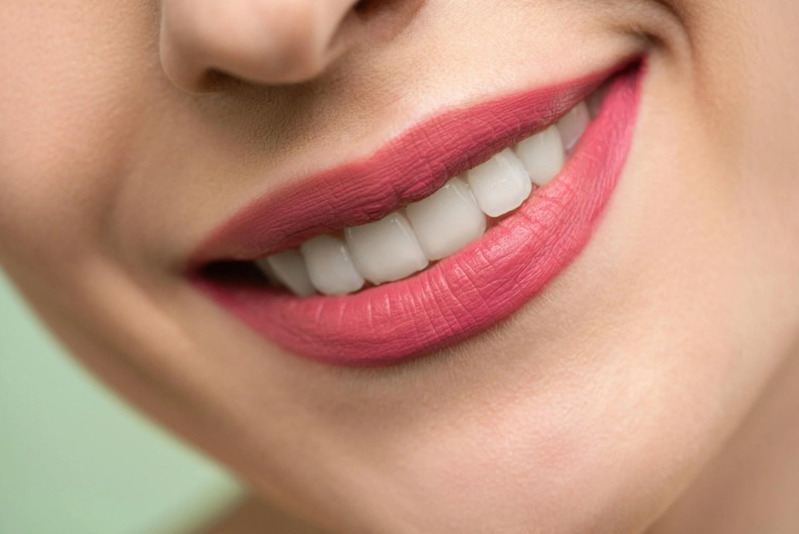
Perfect uniformity can appear oddly unconvincing. Since real teeth differ somewhat in form and tint, a row of identical, blindingly white blocks appears to be manufactured. The most appealing outcomes preserve the minute inherent abnormalities that the brain expects. Teeth are convincing due to little variations in edge form and translucency.
Aiming for authenticity rather than perfection prevents a smile from becoming noticeably enhanced. The eye is drawn back for another glance by character rather than sterility.
Shape, Size, and Proportion
The entire impression is shaped by the individual tooth form. A beautiful rhythm is created throughout the mouth by front teeth that are proportionate to each other and the lips around them. Squarer forms imply strength, while softer, rounder edges are frequently interpreted as kind. Additionally, proportion connects tooth width to height in proportions that the eye subtly favours. When these connections are done correctly, a smile can fit the person wearing it.
Character and age should be considered. The ideal form remains individual rather than universal, with somewhat worn edges fitting a mature face and crisper forms fitting a younger one. The appearance is kept authentic by matching the teeth to you.
The Role of Colour and Shade
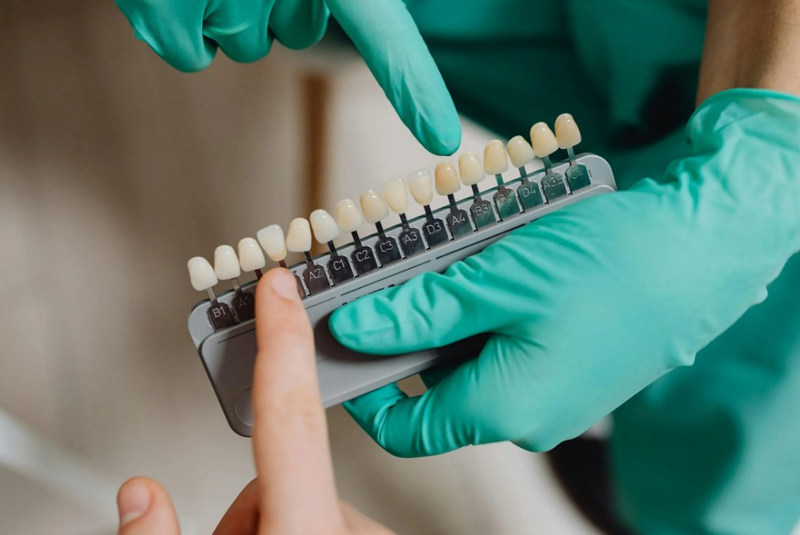
Shade indicates more than just cleanliness. Seldom are real teeth completely white; instead, they have warm undertones that get softer at the edges. Instead of aiming for the whitest extreme, a realistic smile adjusts its brightness to skin tone and age. One flat colour lacks the realism that subtle differences between teeth provide. The impact is kept natural by selecting a shade that complements you rather than a dazzling extreme.
Compared to a stark, frigid white, a shade that is half a step warmer frequently reads far more naturally.
How Alignment Frames a Smile
More than most people understand, straightness affects attraction. Smooth, soft arched teeth feel organised without being forced, and they catch light evenly. Orthodontic treatment can narrow uncomfortable gaps or reduce crowding while maintaining a soft, realistic appearance. Harmony is the goal, never a straight line from a ruler. Each tooth can assist its neighbours and the entire smile with well-guided alignment.
Here, functionality coexists with beauty. Sound alignment is just as important for comfort as attractiveness because properly aligned teeth not only look neat but also chew and wear more evenly.
Gums as a Silent Frame
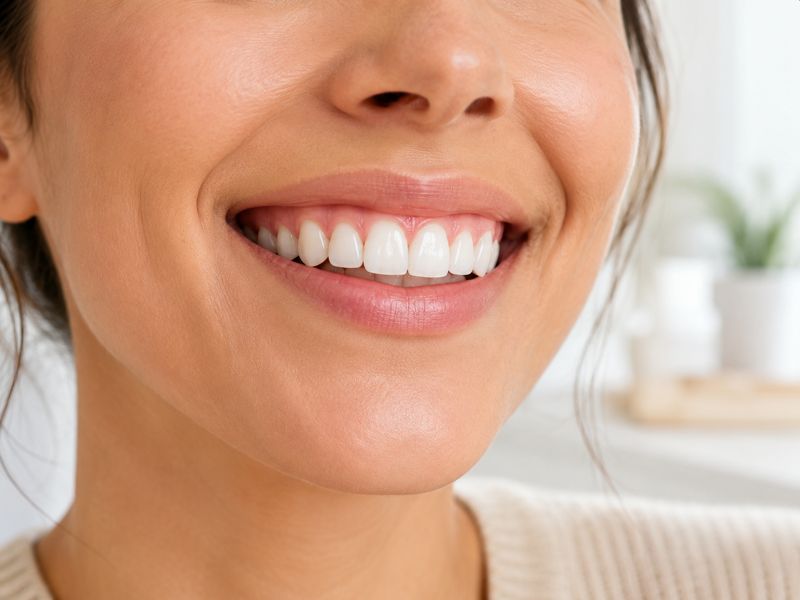
Since gums surround every tooth, teeth never function on their own. Teeth appear longer, cleaner, and more proportional when the tissue is healthy and uniformly shaped. The smile above the gum line feels finished once it has a balanced curve.
No matter how beautiful the teeth are, uneven or inflammatory tissue diverts the eye. The whole image is subtly elevated by a neat framing.
Small Changes, Large Effect
Dramatic changes are often overshadowed by subtle ones. A smile can be transformed while being wholly unique by softly brightening a shade, reshaping an edge, or sealing a little gap. The ability to exercise restraint is what distinguishes well-done work from overdone outcomes.
Friends frequently notice improvements without identifying the reason because the changes remain slight. Quiet refinement, judiciously placed, provides the most convincing elevation. A subtle touch usually lasts longer than a drastic makeover.
The Beauty of Believable Teeth
In the end, sincerity rather than perfection is what makes it appealing. Together, symmetry, proportion, natural colour, clean gums, and gentle alignment create a smile that the eye can trust right away. The best cosmetic work goes unnoticed as such, appearing simply as a good, healthy mouth. Aim for believable beauty rather than fake perfection, and the outcome will make you feel much more at ease and stick in your memory for longer.