
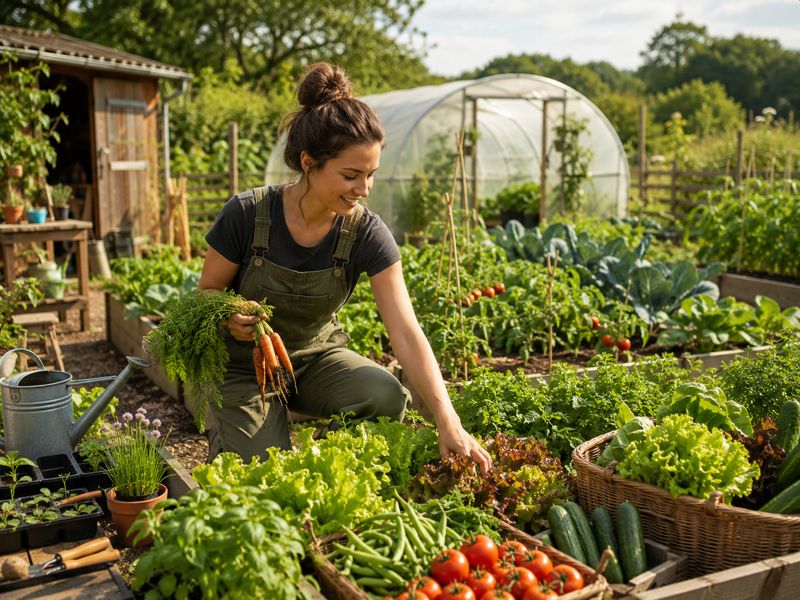
There are few hobbies more rewarding than that of growing your own food, either at home, or in a dedicated allotment. But if you’re willing to stick with it, and you develop the right skills, you could end up turning it from a hobby into a respectable side-hustle, or even a full-time profession.
Starting Small at Home
Realistically, all you need to start growing at home is a single potted plant. By keeping the scope of your project small, you’ll be able to minimise the time and energy required to keep it going. Herbs on a kitchen windowsill, tomatoes, and salad staples are all popular choices. They’ll be endlessly useful in your kitchen, and they’ll help you to understand which kinds of plants appeal to you.
Turning a Hobby Into a Bigger Project
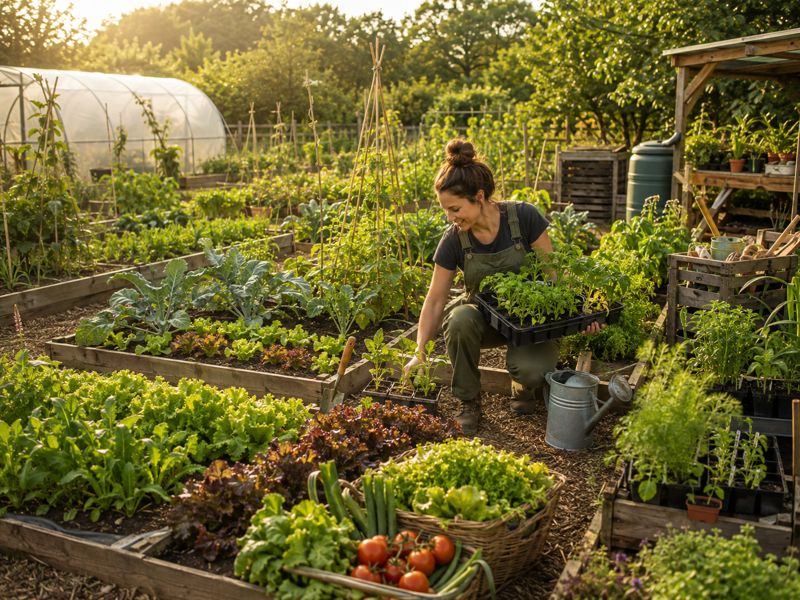
Once you’ve enjoyed a little bit of success with your first efforts, you’ll be able to move things on, and provide yourself with a reliable source of fresh produce. This is where a little bit of investment can make things significantly easier. If your garden lacks access to sunlight, then you might consider renting an allotment that enjoys plenty of it.
The great news here is that you can push things forward in very small increments. That means that the learning curve is very manageable. You can add new kinds of plants, and new varieties of the same sorts of plants, as your confidence grows.
Creating More Space to Grow
The available space in your garden can be a limiting factor. But you can effectively expand the available space with the addition of a few extras. A polytunnel greenhouse, for example, might provide additional space for fragile crops. With the help of one (or more) of them, you’ll be able to extend your growing season long into winter.
Making Growing Part of Everyday Life
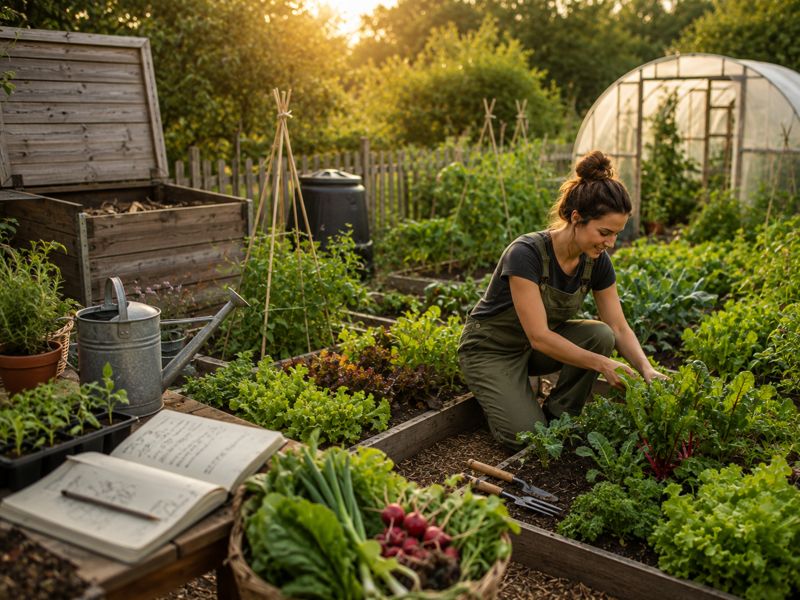
Enjoying a successful career as a horticulturalist means being consistent. After all, plants can degrade quickly, and they’ll need consistent care throughout their life cycles. At the same time, you’ll need to invest time and energy even when the plants themselves aren’t in the ground. Learning new techniques, planning your plots, and composting can all take up time.
As such, you’ll want to limit the size of your project according to your available time and energy. Make sure that you can be consistent, and that you can make growing a habit that you just can’t break!