
There’s a particular kind of magic that no itinerary can schedule. It lives in the wrong turn down a Lisbon side street, the ferry you catch on a whim, and the tiny trattoria you only found because the famous one was full. Guidebooks are brilliant at telling you what a place is — but they’re hopeless at telling you what a place could become for you. That part only happens off the page.
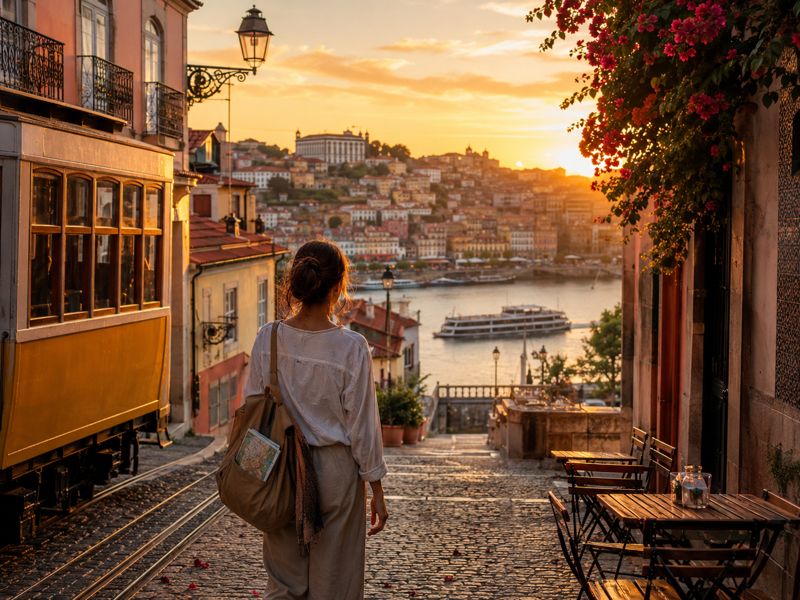
I learned this properly in Porto. The plan was simple: two days, the Livraria Lello, a river cruise, and home. Instead, a chatty tram driver mentioned a hillside miradouro that “tourists never bother with”, and an hour later I was watching the sun drop behind the Douro with a glass of vinho verde and precisely zero other travellers in sight. It’s still the best evening of that entire trip — and it exists nowhere in any guidebook I’ve ever opened.
The In-Between Moments Count Too
Here’s what seasoned travellers eventually figure out: detours don’t just happen on the road. Some of the most memorable pockets of a trip happen in the gaps — the delayed flights, the rainy afternoons, and the three-hour train rides where the scenery blurs into green.
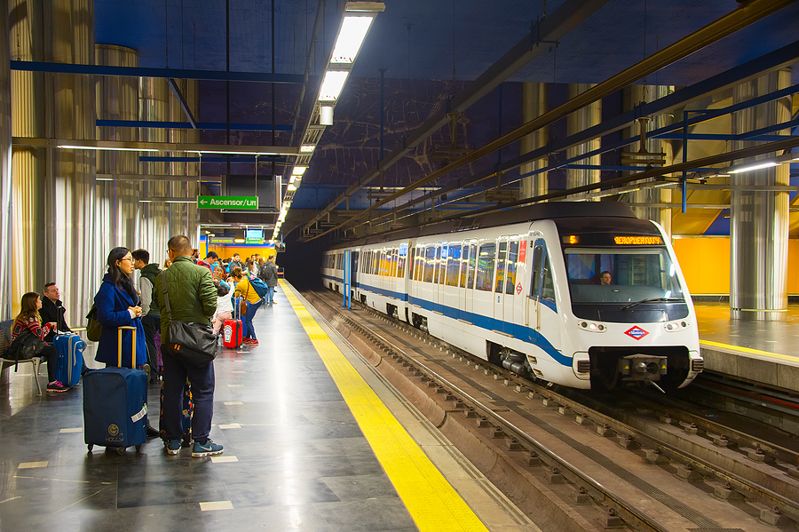
A cancelled connection in Madrid once gifted me five unexpected hours. I spent with them people-watching over café con leche, finishing a podcast series, and — I’ll admit it — spinning through a few rounds of slot games online on airport Wi-Fi while the departure board sorted itself out. Oddly enough, those unscripted in-between moments stitched the trip together just as much as the cathedrals did. Travel isn’t only the destinations; it’s everything you do while getting there, waiting there, and lingering there.
How to Invite the Detour
You can’t plan spontaneity, but you can make room for it. A few habits that help:
Book less than you think you need. One anchor activity per day, maximum. The white space is where the good stuff happens.
Talk to the person pouring your coffee. Baristas, bartenders and market vendors are walking, talking local guides — and their recommendations come without an affiliate link.
Say yes to the second suggestion. The first tip anyone gives you is usually the famous thing. Ask, “And where do you actually go?” That answer is the detour.
Get lost on purpose. Pick a direction, walk for thirty minutes, and see what the city does with you. Phones stay pocketed unless genuinely needed.
The Guidebook Isn’t the Enemy
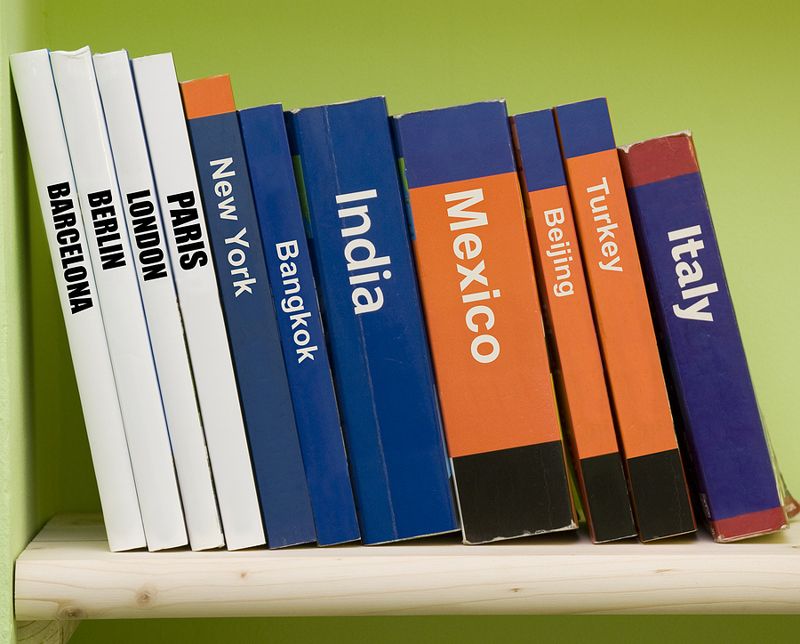
None of this means throwing your guidebook in the bin. Use it the way you’d use a friend’s advice — a starting point, not a script. Let it take you to the neighbourhood; let curiosity take you to the doorstep.
Because years from now, you won’t be telling stories about the landmark everyone photographs. You’ll be telling the one about the tram driver, the hidden miradouro, and the sunset nobody else showed up for.
The best trips don’t end where the guidebook does. That’s precisely where they start.