
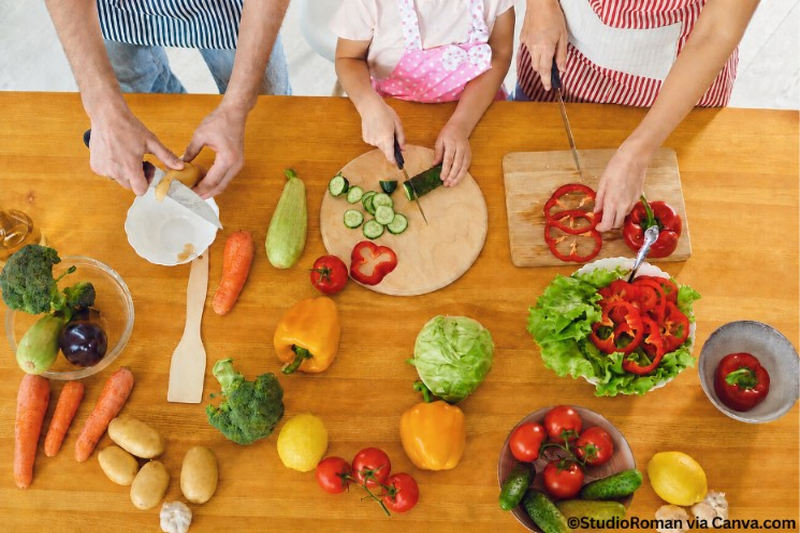
Feeding your family nutritious meals doesn’t have to mean spending a fortune at the grocery store. While food prices have made budgeting more challenging, a few smart habits can help you stretch your money without sacrificing quality or variety. Small changes in the way you shop, plan, and cook often make the biggest difference over time.
If you’re looking for practical ways to serve wholesome meals while staying within your budget, these simple ideas can help you save money and make mealtimes less stressful.
-
Start With a Weekly Meal Plan
One of the easiest ways to cut food costs is to decide what you’ll cook before you head to the store. A weekly meal plan helps you buy only what you need and reduces the temptation to pick up expensive extras.
Look through your cupboards, fridge, and freezer before making your shopping list. You may already have ingredients that can serve as the foundation for several meals. Planning also makes it easier to use leftovers creatively instead of letting food go to waste. The Academy of Nutrition and Dietetics also recommends shopping with a plan, comparing unit prices, and choosing seasonal produce to help stretch your grocery budget.
Simple meals like soups, casseroles, pasta dishes, and stir-fries are excellent choices because they use affordable ingredients while feeding the whole family.
-
-
Choose Quality Ingredients That Go Further
-
Buying better ingredients doesn’t always mean spending more overall. High-quality foods often deliver better flavour, making simple meals more satisfying.
If you’re looking for responsibly sourced meat, you can now order meat online from trusted suppliers. Choosing carefully prepared cuts from reputable suppliers can help you build nutritious family meals where a little goes a long way. By combining meat with vegetables, beans, grains, or lentils, you can create filling dishes while keeping your grocery budget under control.
This approach allows you to focus on quality without relying on oversized portions.
-
Make Vegetables the Star of the Plate
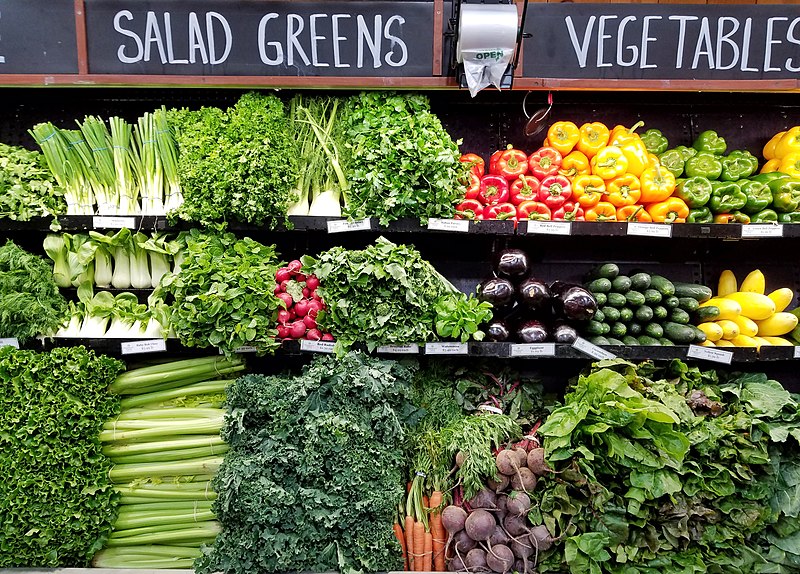

Healthy eating becomes much more affordable when vegetables play a larger role in your meals.
Rather than treating vegetables as a side dish, build meals around them. Add extra carrots to pasta sauces, stir spinach into soups, bulk out chilli with peppers and beans, or roast seasonal vegetables for grain bowls.
Seasonal produce is usually less expensive and often tastes better because it’s harvested at the right time of year. Frozen vegetables can also be an excellent option. They’re convenient, reduce waste, and make it easy to add more nutrients to everyday meals.
-
Cook Larger Batches
Preparing double portions may take only a little more effort, but it can save hours later in the week. Many family favourites freeze well, including:
- Vegetable soup
- Cottage pie
- Lasagne
- Bean chilli
- Chicken and vegetable casserole
- Pasta sauce
Having homemade meals ready in the freezer makes busy evenings easier and reduces the temptation to order takeaway after a long day.
-
Buy Whole Foods Instead of Highly Processed Options
Pre-packaged convenience foods often cost more than preparing similar meals yourself. For example, plain oats are usually less expensive than individual flavoured oatmeal packets. Whole potatoes cost less than many frozen potato products, while homemade popcorn can be a budget-friendly snack compared with individually packaged alternatives.
Cooking from scratch also gives you greater control over the ingredients your family eats, including salt, sugar, and added fats. For a simple visual guide to building balanced meals, the Harvard T.H. Chan School of Public Health’s Healthy Eating Plate recommends filling half your plate with vegetables and fruits, alongside whole grains and healthy protein sources.
-
Stretch Protein With Budget-Friendly Ingredients
Protein is an important part of a balanced meal, but it doesn’t have to come from large portions of meat. Many family recipes work well when you combine meat with affordable ingredients such as:
- Lentils
- Chickpeas
- Black beans
- Brown rice
- Quinoa
- Mushrooms
For example, adding lentils to a spaghetti Bolognese or mixing beans into tacos creates hearty meals that satisfy hungry families while helping your grocery budget last longer. This method also introduces children to a wider variety of flavours and textures.
-
Shop With a List and Stick to It

Impulse purchases quickly add up on your grocery bill. Before leaving home, write a shopping list based on your meal plan and do your best to follow it. Shopping after you’ve eaten can also help reduce unnecessary purchases driven by hunger.
If you notice a good price on staple items your family regularly uses, buying a little extra can be worthwhile, provided you’ll use everything before it expires.
-
Make the Most of Leftovers
Leftovers don’t have to feel repetitive. Roast chicken can be used to make wraps, soup, pasta, or fried rice the following day. Leftover vegetables work well in omelettes, frittatas, or homemade pizza toppings.
Thinking of leftovers as ingredients rather than yesterday’s dinner helps reduce food waste and stretch your grocery budget further. The Organic Butchery’s emphasis on quality ingredients also makes leftovers more enjoyable because flavour carries through into future meals.
-
Keep Healthy Snacks Simple
Nutritious snacks don’t need fancy packaging. Some affordable family favourites include:
- Fresh fruit
- Homemade trail mix
- Yoghurt
- Cheese with wholegrain crackers
- Vegetable sticks with hummus
- Hard-boiled eggs
Preparing snacks at home often costs less than buying individually wrapped products, and children can still enjoy plenty of variety throughout the week. Pairing nutritious snacks with healthy drinks that support gut health makes it easier to build balanced eating habits for the whole family.
-
Involve the Whole Family
Healthy eating becomes much easier when everyone takes part. Children can help wash vegetables, stir ingredients, set the table, or choose one dinner each week. Older kids can even help plan meals and compare grocery prices while shopping.
These small responsibilities teach valuable life skills and often encourage children to try foods they’ve helped prepare.
Final Thoughts
Healthy family meals don’t depend on expensive ingredients or complicated recipes. Careful planning, smart shopping, simple cooking techniques, and reducing food waste can help you serve nutritious meals while keeping your grocery budget under control.
The goal isn’t perfection. These small, consistent changes to your family’s eating habits can make a lasting difference. Alongside balanced meals, pay attention to hydration and foods that support gut health to create a healthier routine for everyone.