
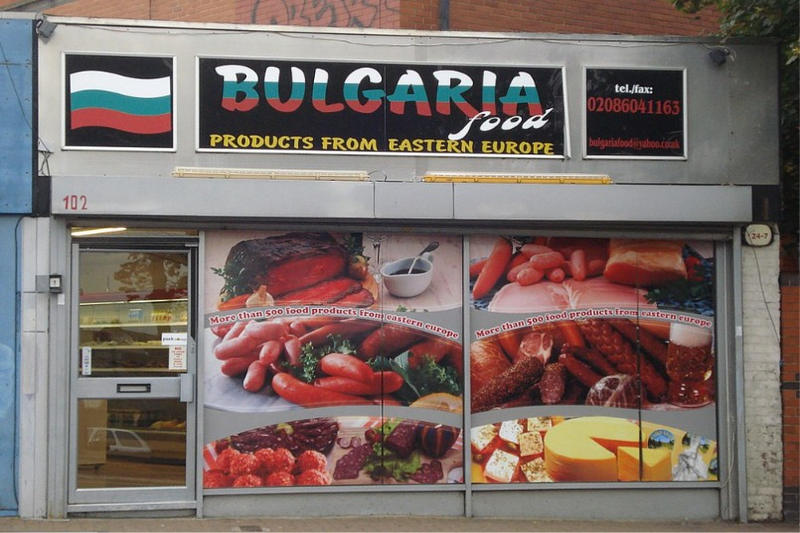
Hands up if you know anything about Bulgarian food? Me neither. Well not until a few weeks ago anyway. Ever since then, I’ve become a little bit obsessed with it.
It was during that heatwave where the UK turned into a giant greenhouse. That’s how it felt anyway. I was talking to a neighbour about how it was so horrendously hot I couldn’t bear to cook anything, and they recommended a Shopska salad with a bowl of tarator instead.
Obviously, my first reaction was “Sorry what now – a what with a what?”
My neighbour had just come back from a holiday to Bulgaria and had loved the food there, so she explained what these things were and I decided to give them a try.
This was my introduction to Bulgarian food, and it opened the door to some other Bulgarian meals that I had never heard of. A few later, and I am basically a Bulgarian Nigella Lawson – but with 10% of the culinary skills and absolutely none of the sultry seduction vibes 🫦😂
What is Bulgarian Food?
It’s a bit rich me explaining this with all of my three weeks worth of knowledge, but nevertheless.
From what I have learned so far, Bulgarian Food is a lovely mix of the fresh, the hearty, and the comforting. They’ve got tasty and interesting salads and grilled meats for warmer days, but also plenty of proper cosy night in food that warms you up when it’s cold outside.
Expect lots of yoghurt, cucumber, tomatoes, peppers, herbs, pastry, meat, and cheese in all the right places. It’s got a great balance to it. There’s nothing massively exotic in there, but it’s the way they put it all together that makes it distinctly Bulgarian. It also means there’s not that much of a leap from our own cuisine – if you can call English food ‘cuisine’ – but it’s different enough to make it interesting.
I appreciate how unfussy Bulgarian dishes are too. I’m, sure there are lots of highly skilled Bulgarian chefs who have studied for years in traditional methods to make these dishes the very best they can be, but equally, beginners can make a decent go of it if my efforts so far are anything to go by.
Here are a few great examples of Bulgarian meals to get you started.
Shopska Salad
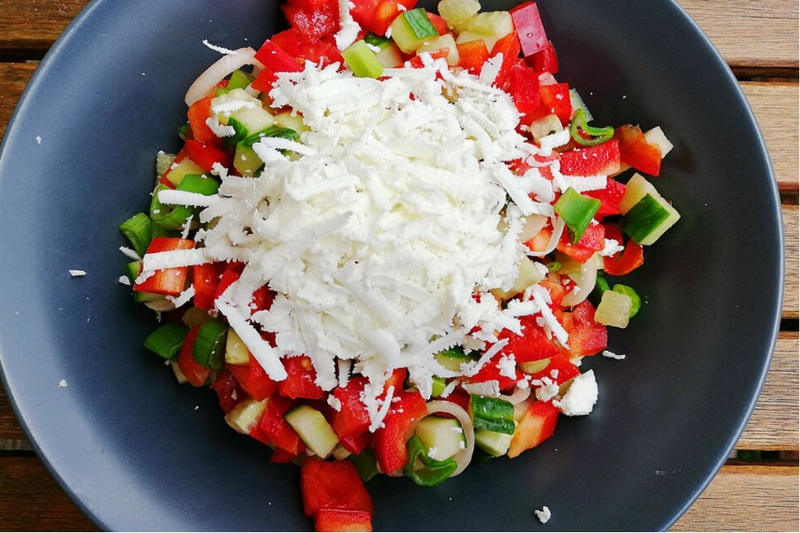
Shopska salad is made with chopped tomatoes, cucumber, peppers and onion, chopped small and dressed simply with oil, vinegar, salt, pepper and parsley, then finished with grated white cheese over the top.
It sounds simple, and it is, but that is the point. When it is boiling hot and you cannot face standing over a hob, a bowl of cold, crunchy vegetables with salty cheese suddenly feels like a very clever idea.
I made mine with tomatoes, cucumber, red pepper, spring onion, a little olive oil, vinegar and feta, because that was what I could get hold of easily. I know feta is not exactly the same as Bulgarian white cheese, but for a first attempt in a UK kitchen, it did the job nicely.
It’s cheap too, as it’s meat free.
Tarator
Tarator was the one I was least sure about, because cold soup still sounds wrong to me. Soup is meant to be hot, eaten with socks on, while complaining about the rain.
But tarator makes sense once you stop thinking of it like soup. It is usually made with yoghurt, cucumber, garlic, dill and walnuts, so it has that creamy-but-light thing going on. Very cool, sharp and refreshing.
The best way I can describe it is somewhere between a cold soup and a drinkable tzatziki, which sounds odd, I know, but I promise you it works. Would I have wanted it in November? Probably not. Did I understand it during a heatwave? Absolutely.
Banitsa
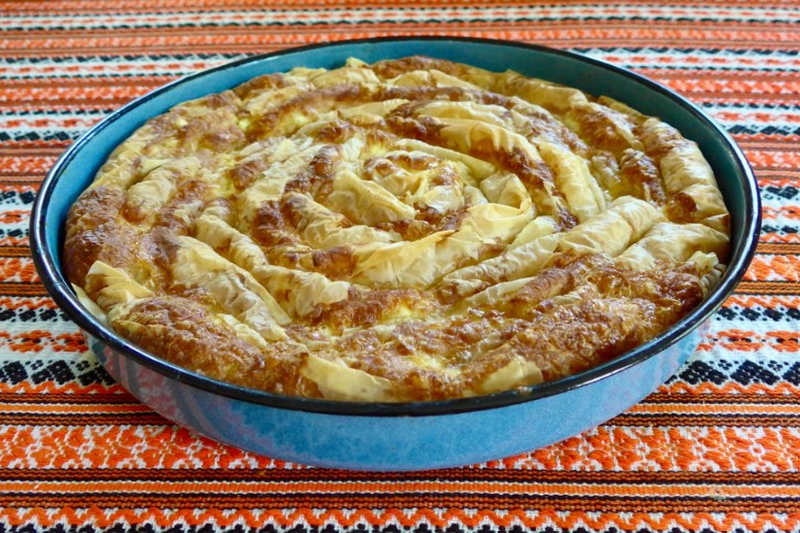
Banitsa was always going to win me over because it involves pastry and cheese, and I am only human.
It’s probably Bulgaria’s favourite pastry dish, often made with filo and a filling of eggs, yoghurt and white cheese. There are different versions with other fillings too, but the cheese one was the obvious place for me to start.
Mine was not the neatest thing in the world. The filo kept tearing, the filling was escaping at the sides, and by the time it went into the oven it looked like it had been chucked at my front door by a bad tempered Evri driver. But once it came out of the oven, golden and crispy on top, I was very pleased with myself.
Kavarma
Kavarma is a Bulgarian stew or casserole, usually made with pork or chicken cooked slowly with onions, peppers, tomatoes and seasoning. It is supposed to be cooked in a big clay pot, but I made mine in a normal oven dish because my kitchen is not equipped like a traditional Bulgarian tavern.
I know, I know, must try harder 🤪
The basic idea is simple: you brown the meat first, soften the vegetables, then let everything cook together until the sauce becomes rich and the meat is tender. Some recipes add mushrooms, leeks or wine too, so there seems to be a bit of room to play around with it.
I tried a very basic version with pork, peppers, onion and tomato, and while I am sure it was not going to win any awards in Bulgaria, it was delicious. It is warming, filling and hard to get wrong, which is exactly the sort of cooking I like.
Kebapche
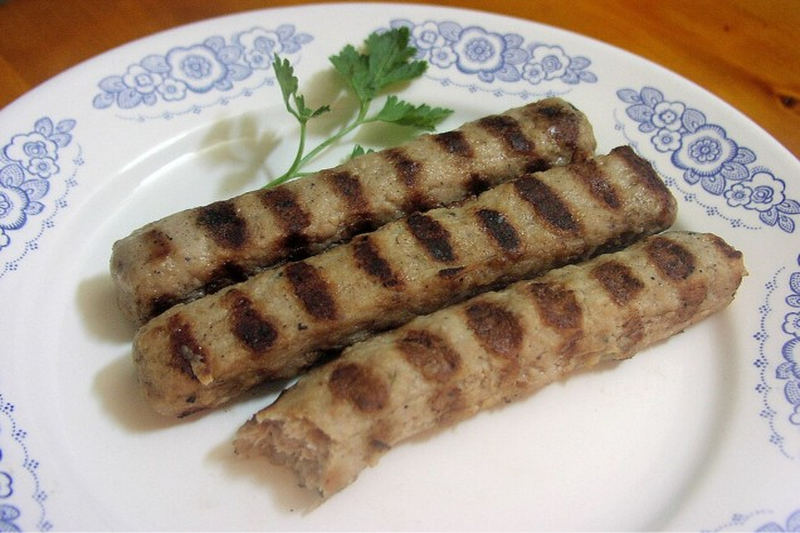

Kebapche is probably one of the easiest Bulgarian foods to understand if you are new to it. They’re like shorter, fatter koftas. So it’s a grilled minced meat dish, seasoned, shaped, then cooked until nicely browned.
The version I tried was dead simple, with minced meat, cumin, salt and pepper, and I cooked it in a griddle pan because our grill scares me.
This was very easy to like. It is not complicated or showy, but it is tasty, filling and the sort of thing that would work with salad, bread, chips, rice, or whatever else you happen to have around.
Give It A Try
What I am enjoying most about this little Bulgarian food phase of mine, is that it has got me out of the habit of cooking the same things over and over again. We all do it. We repeat what’s easy, what we already know.
Bulgarian food has been a nice nudge out of that. The ingredients are mostly things I already recognise, but they are put together in ways I wouldn’t have thought of myself. So they don’t feel intimidating or like they will be a mission to make.
I am absolutely not claiming any sort of authority here, but I definitely recommend giving Bulgarian food a try. And it all came from a random heatwave conversation over the garden fence.