
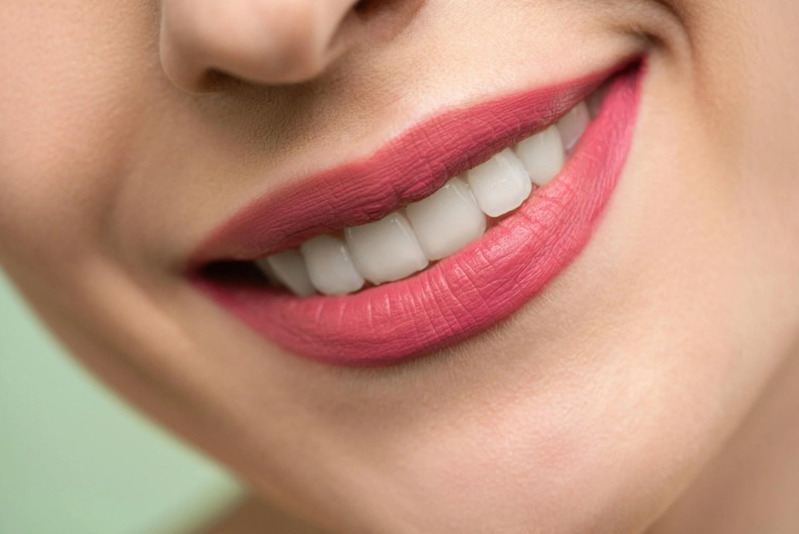
A brighter smile is something many people would like, but whitening isn’t a one-size-fits-all treatment. While some people notice a dramatic difference after just one session, others see a more subtle improvement. That’s because the colour of your teeth is influenced by much more than what you eat or drink.
Professional whitening is designed to lift stains safely and effectively, but the final result depends on a number of factors, including the cause of discolouration, the condition of your teeth and your lifestyle. If you’re considering teeth whitening in Chelmsford, understanding how the treatment works can help you set realistic expectations before you begin.
Why Teeth Lose Their Brightness
It’s completely normal for teeth to change colour over time. Daily habits, ageing and genetics all play a role.
Surface staining is one of the biggest causes. Drinks such as tea, coffee and red wine contain pigments that gradually cling to enamel, while smoking can leave yellow or brown marks behind.
Brushing well and visiting the hygienist regularly can remove some surface stains, but they won’t always restore your teeth to their original shade.
Some discolouration develops beneath the surface. As enamel naturally thins with age, more of the darker dentine underneath becomes visible. Certain medications, childhood illnesses and dental injuries can also affect the internal colour of teeth, making these stains harder to treat.
How Professional Whitening Actually Works
Professional teeth whitening uses peroxide-based gels that break down stain molecules inside the tooth.
The active ingredients penetrate the enamel and trigger a chemical reaction that breaks apart the compounds responsible for staining. As these pigments become less visible, teeth appear lighter.
Because the gel works beneath the surface as well as on external stains, professional whitening often produces more noticeable and even results than shop-bought products. Treatment is also carefully monitored to maximise results while reducing the risk of sensitivity.
Why Results Vary from Person to Person

Although professional whitening is highly effective, no dentist can guarantee exactly how white someone’s teeth will become.
The biggest factor is the type of staining. Surface stains from food, drinks and smoking usually respond well, while deeper internal stains often show more modest improvements.
Natural tooth colour also makes a difference. Some people naturally have darker dentine beneath the enamel, so two people having the same treatment could end up achieving different results.
Previous dental work is another consideration. Crowns, veneers and white fillings don’t respond to whitening in the same way as natural teeth, so your dentist will explain how this could affect the final result.
Professional Treatment Versus Home Whitening Kits
There are plenty of whitening products available in supermarkets and pharmacies, but they don’t usually match professional treatment.
Home kits contain lower-strength whitening agents and often use generic trays or strips that don’t fit every mouth properly. This can lead to uneven whitening or patchy results.
Professional treatment is tailored to your teeth. Your dentist will check your oral health beforehand, use stronger but carefully controlled whitening products and ensure the gel is applied evenly for more predictable results.
Is Professional Whitening Safe?
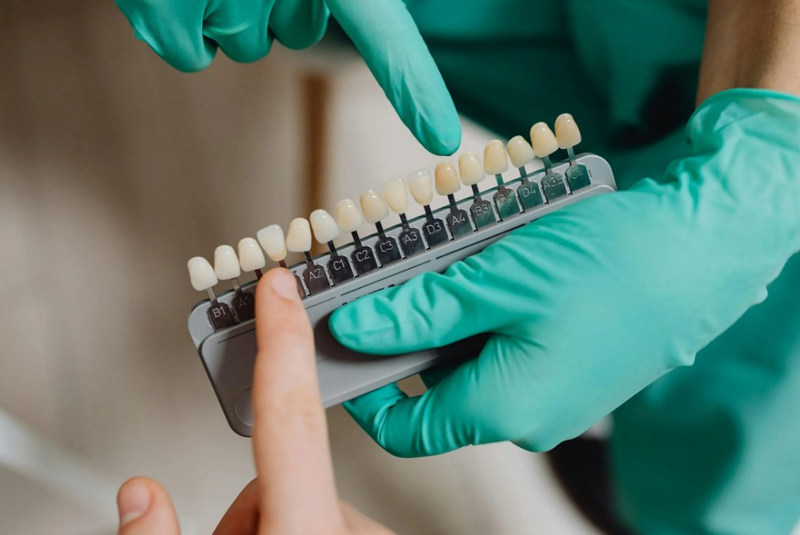
When carried out by a qualified dental professional, teeth whitening is considered a safe cosmetic treatment.
Before treatment begins, your dentist will check for issues such as tooth decay, leaking fillings or gum disease that might need attention first.
Some people experience temporary sensitivity or mild gum irritation afterwards, but these side effects usually settle within a few days. Professional supervision helps minimise these risks by selecting the most appropriate treatment for your teeth.
Making Your Results Last
Whitening isn’t permanent, but good habits can help your results last longer.
For the first couple of days after treatment, it’s best to limit foods and drinks that can stain teeth, such as coffee, tea and red wine. Avoiding smoking also helps maintain a brighter smile.
Brushing twice a day, flossing regularly and attending routine dental check-ups all help prevent new stains from building up. Some people also benefit from occasional top-up treatments, depending on their lifestyle.
If you’re exploring your options, it’s worth speaking with an experienced dental professional who can recommend the most suitable treatment. Some people also seek a second opinion from Harley Street dentists, especially if they have existing dental work or more complex cosmetic concerns.
A Brighter Smile Starts With Realistic Expectations
Professional teeth whitening can make a noticeable difference, but every smile responds differently. The condition of your teeth, the cause of any staining and your daily habits all influence the outcome.
With professional treatment, realistic expectations and good aftercare, you can enjoy a brighter and more natural-looking smile that lasts.