
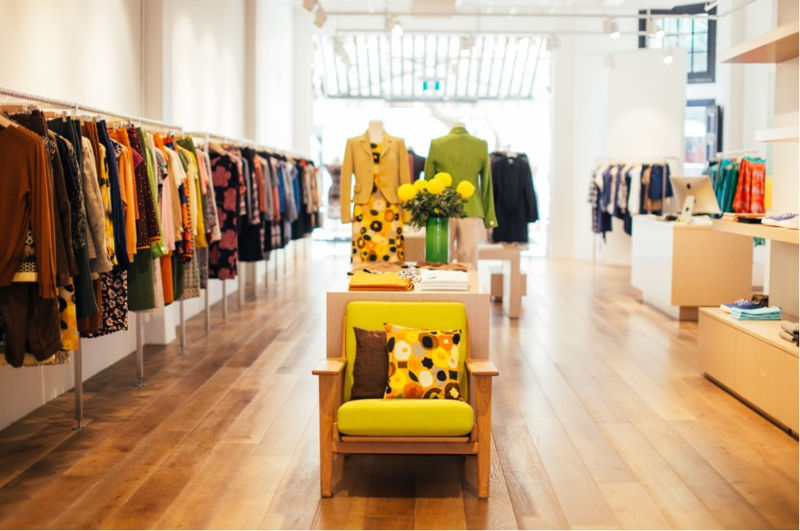
Selecting flooring for a commercial retail space involves a very different set of considerations from choosing a floor for the home. The stakes are higher, the technical requirements are more demanding and the consequences of making the wrong choice play out in front of customers every single day.
Business owners who take the time to understand what commercial flooring actually requires make better purchasing decisions and avoid the costly mistakes that come from applying a residential mindset to a commercial problem. Specialists like Allfloors Glasgow who have genuine commercial flooring experience, make the entire process significantly more straightforward for business owners at every stage.
Why Commercial and Residential Flooring Are Fundamentally Different
The most important thing a business owner can understand about commercial retail flooring is that it is an entirely different product category from what is used in homes. Commercial flooring is engineered to withstand footfall volumes that would destroy a residential product within months. The wear layers are thicker, the core materials are denser, and the fixing methods used are designed for the stresses of commercial use.
Applying residential product specifications to a commercial project is one of the most common and most expensive mistakes retailers make, and it typically results in visible deterioration within the first year of trading, creating a poor impression at exactly the moment you are trying to establish your business.
Total Cost of Ownership Versus Initial Purchase Price

Business owners often focus heavily on the initial cost per square metre when evaluating flooring options, but this approach misses the more important metric of total cost of ownership over the expected lifespan of the installation. A cheaper product that needs replacing after four years in a busy retail environment carries a much higher true cost than a premium product that performs well for ten or more years.
Replacement costs include not just materials and fitting but also the operational disruption of having the store partially closed during installation and the reputational impact of customers seeing a floor in noticeably poor condition before replacement work is finally undertaken.
The Impact of Flooring on Staff Wellbeing
Business owners focused on the customer experience sometimes overlook the impact of flooring on the people who stand on it for extended periods every day. Staff who work on hard, unforgiving surfaces experience greater fatigue, discomfort and long-term joint strain than those working on flooring with appropriate cushioning and give.
Anti-fatigue properties, acoustic comfort and thermal performance all contribute to a better working environment, which in turn affects staff retention, productivity and morale. The best commercial retail flooring solutions balance customer-facing aesthetics with the practical comfort of the people who use the space throughout every working day.
Maintenance Regimes and Their Impact on Long-Term Appearance
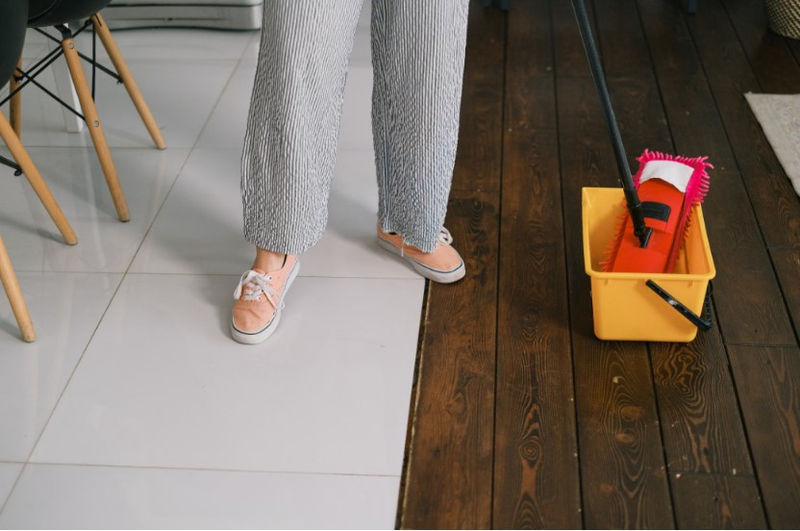
The long-term appearance of a commercial retail floor depends as much on how it is maintained as on the quality of the product installed. Every commercial flooring product comes with specific maintenance requirements, and failing to follow them either invalidates manufacturer warranties or accelerates visible wear.
Common issues include using cleaning chemicals that are incompatible with the floor surface, over-wetting hard floor types during cleaning, and failing to use the correct cleaning pads that can scratch rather than clean certain floor finishes. Establishing a documented cleaning and maintenance regime before the floor is installed sets the standard for ongoing care from day one of trading.
Flooring Consistency Across Multiple Retail Sites
For retailers operating across multiple locations, flooring plays an important role in creating a consistent brand experience regardless of where a customer shops. Specifying a consistent floor design, colour and product across all sites ensures that the in-store experience is recognisable and reinforces brand identity at every touchpoint.
Working with a flooring supplier who can guarantee a consistent supply of the same product over time and who understands the logistics of coordinating installations across multiple locations simplifies what would otherwise be a complex procurement and project management challenge for any growing retail business.
Getting the Specification Right From the Start
The most effective retail flooring projects begin with a detailed survey of the space, including an assessment of the existing subfloor condition, the expected footfall volumes, the operational constraints on installation timing and the specific performance requirements for each area of the store.
A commercial flooring specialist brings technical knowledge about product performance data, subfloor preparation requirements and installation methods that a general contractor is unlikely to have in the same depth. Engaging a specialist early in the project planning process ensures that the specification is correct, the budget is realistic and the installation delivers the intended result from the first day of trading.