
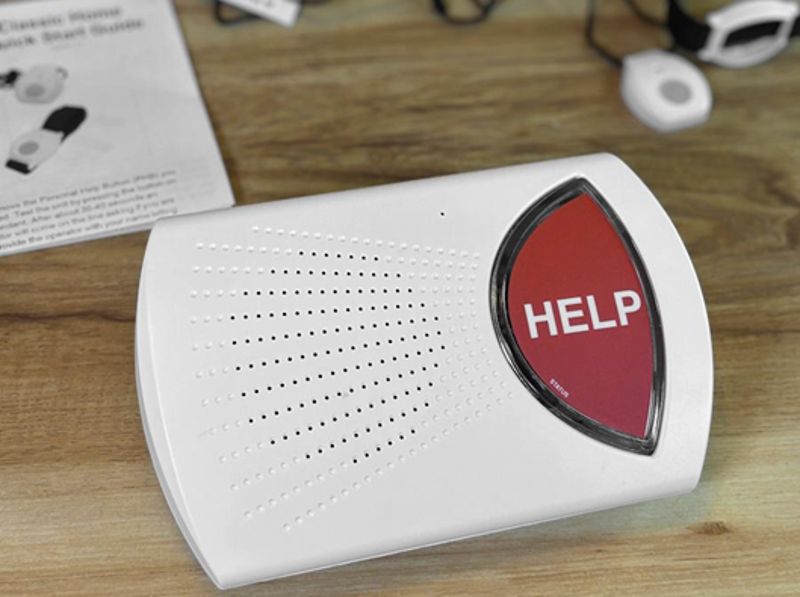
Caring for an elderly relative brings a quiet, constant worry. You wonder how they are when you cannot be there. A fall or a dizzy spell can happen in a moment.
An emergency alarm eases that worry for the whole family in 2026. Providers such as Life Assure build emergency alarms around a 24-hour monitoring centre. This guide explains how they work and when to consider one.
Life Assure is a Canadian company, and its monitoring service is available to customers in Canada only.
What Is an Emergency Alarm?
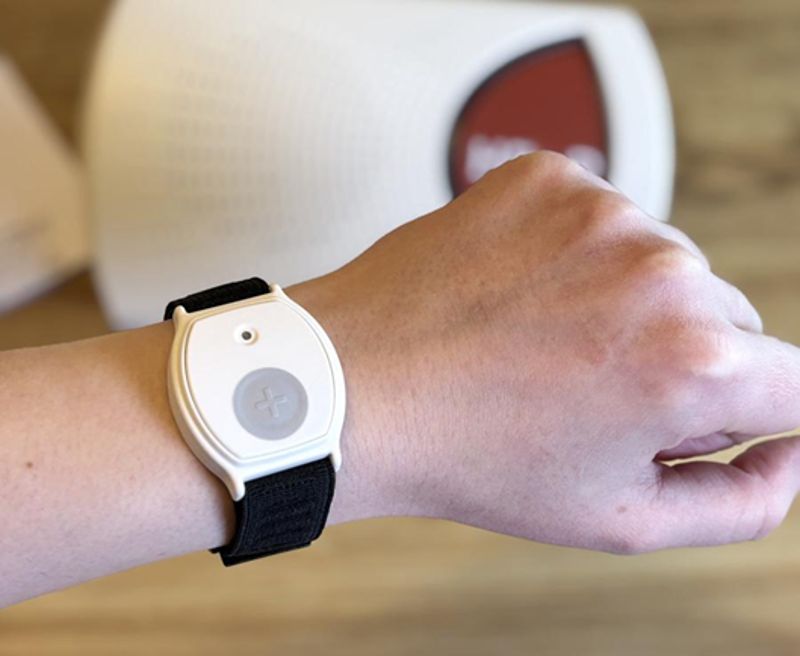
An emergency alarm is a small device worn as a pendant or wristband. It links your relative to a monitoring centre at the press of a button. A trained operator answers and arranges the right help.
Some people call it a personal alarm or a careline. The idea is the same. One press brings a calm voice and fast support.
Most alarms come in two forms. A home unit works around the house and garden. A mobile unit adds GPS for trips to the shops or a walk. You choose the one that suits your relative’s routine.
How Do Emergency Alarms Work?
The pendant connects to a base unit or a mobile network. Press the button and the call reaches an operator within 30 seconds. They speak with your relative and judge what help is needed.
Many alarms add automatic fall detection. A sensor recognises a hard fall and raises the alarm on its own. That helps when your relative cannot press the button.
Falls are common as we grow older. Around 1 in 3 people over 65 falls each year. UK falls-prevention guidance sets out simple ways to lower that risk at home.
Two-way speech makes the call feel personal. A speaker and microphone sit inside the pendant itself. The operator can talk with your relative straight away. That quick chat helps them send the right response.
Backup power keeps the system working in a cut. A base unit holds its own battery for several hours. Cellular models also run without home broadband. Ask about both before you settle on a plan.
When Should You Consider One for a Relative?
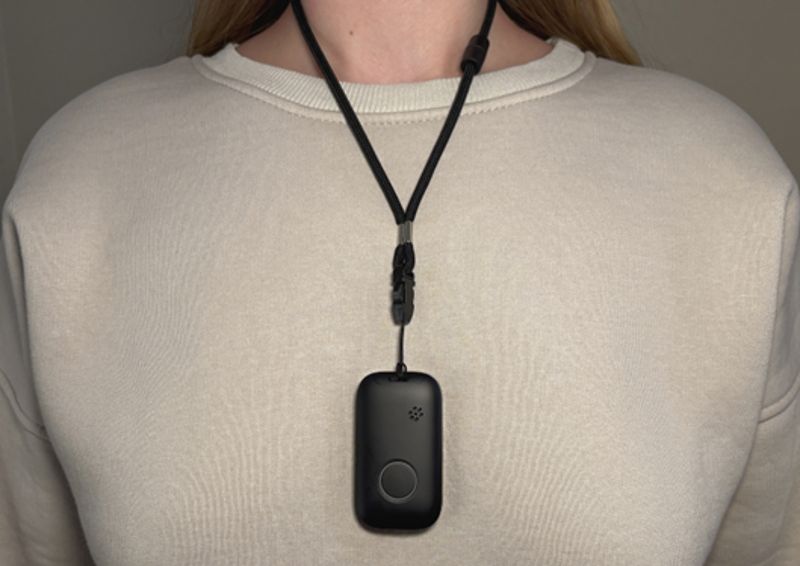
Timing is personal, but a few signs help. Consider an alarm when a relative lives alone or has fallen before. Long-term conditions and low confidence on stairs also point that way.
A relative who struggles with everyday errands may welcome the safety net. The device supports mental wellness by easing the fear of being stuck. It also helps grandchildren feel calmer about visits.
Try not to leave the talk until a crisis. A calm conversation over tea works better than a rushed one after a fall. Frame the alarm as a way to stay at home longer. Most relatives warm to that idea once the fear fades.
Which Features Should a UK Family Check?
Compare plans before you choose. Ask a few plain questions:
- Is the monitoring centre staffed 24 hours a day?
- Does the plan include a fall-detection option?
- What is the monthly cost, and is there a setup fee?
- Is the pendant water resistant for the bathroom?
For extra help, the charity Age UK has plain guidance on falls prevention.
Tips on staying independent at home pair well with an alarm and a tidy, well-lit house.
Read the small print on cost too. Some plans charge a one-off setup fee on top of the monthly price. Others bundle the equipment into a flat rate. A quick comparison table saves money over a year.
What Happens When the Alarm Is Pressed?
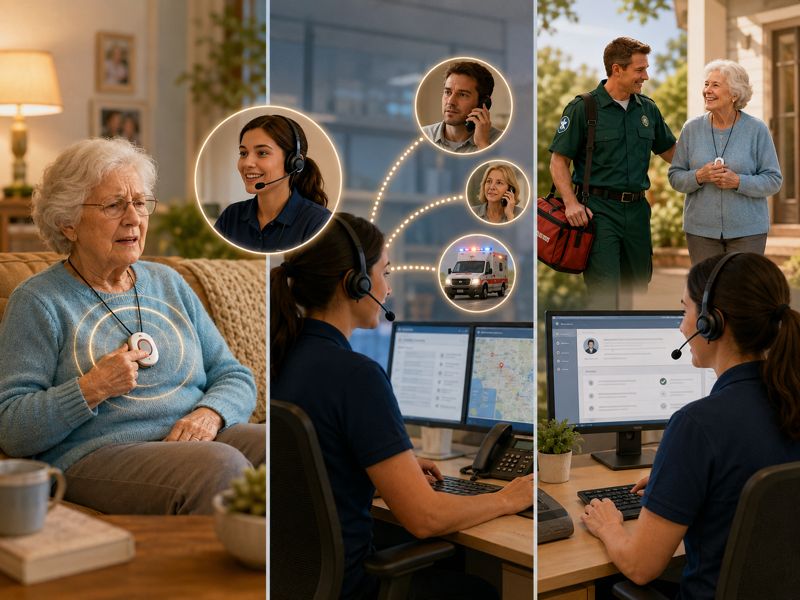
It helps to know the steps before an emergency. The process is quick and the same each time. Walk through it once with your relative.
First, a press opens a line to the monitoring centre. An operator speaks through the pendant within seconds. They check what is wrong and stay on the line.
Next, they decide who to call. That may be a family contact, a neighbour, or the emergency services. The operator passes on the key details so help arrives ready.
Finally, they follow up after the event. Many centres log the call and note any pattern. That record can guide the next care conversation.
Key Points for Choosing an Emergency Alarm
- An emergency alarm links your relative to a monitoring centre at one press.
- Fall detection raises the alarm when a button press is not possible.
- Consider one when a relative lives alone or has fallen before.
- Check monitoring hours, monthly cost, and any setup fee.
- Choose a water-resistant pendant for use in the bathroom.
Frequently Asked Questions About Emergency Alarms
Do Emergency Alarms Need a Landline?
Not always. Many alarms now use a mobile signal instead. That suits homes without a landline. Check the option before you order.
How Much Does an Emergency Alarm Cost?
Plans in the UK often start around 15 pounds a month. Mobile units with GPS cost a little more. Ask about setup fees and contract length first. A local council may help with the cost in some cases.
Is Fall Detection Reliable?
No sensor catches every fall. Fall detection is a useful backup, not a promise. A short cancel window reduces false alarms. Treat it as one layer of safety.
Can My Relative Wear It While Showering?
Most pendants are water resistant for daily use. The bathroom is a common place for falls. Check the rating before your relative bathes. A pendant left on the shelf cannot help.
Caring for a Relative With Less Worry

An alarm does not replace your visits or calls. It sits quietly in the background as a safety net. That gift of peace of mind can steady the whole family.
Talk it through with your relative first. Ask what feels helpful and what feels intrusive. A shared choice is the one most likely to work.
Set the alarm up together on day one. Test the button and practise a real call. Save your own number as a family contact on the account. An alarm that everyone understands is the one that gets worn every day.