
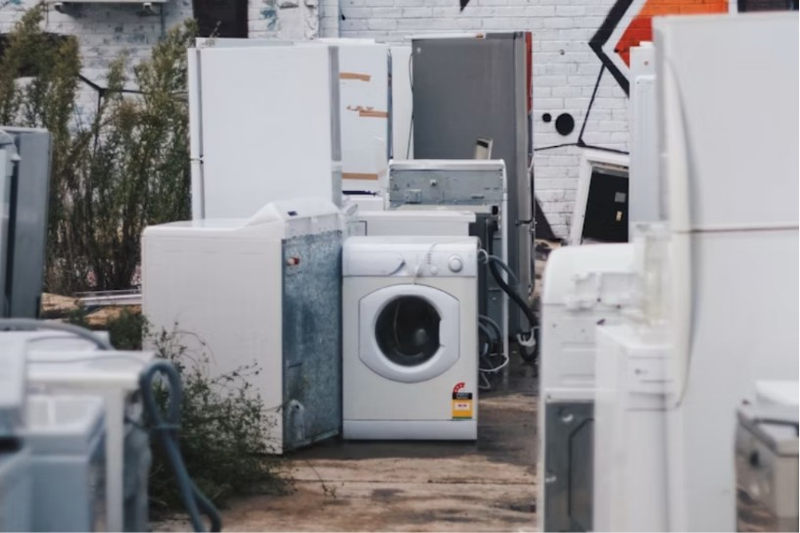
Disposing of large household appliances requires more planning than placing an item in the household recycling bin on a collection morning. Fridges, washing machines, dishwashers, tumble dryers, and electric cookers all fall under specific disposal regulations in the UK, and sending them to landfill is both environmentally damaging and, in many cases, a breach of legal obligations.
Recycling4you provides a compliant collection and disposal service for large household appliances, removing the complexity from the process for households and businesses that need a straightforward, regulation-compliant route to responsible disposal.
Why Large Appliances Cannot Go in Household Waste
Large household appliances are categorised as waste electrical and electronic equipment under the WEEE Regulations. This category exists because these items contain a range of substances and materials that require specialist processing before they can be safely managed. Fridges contain refrigerant gases and compressor oil.
Washing machines contain motors, bearings, and drum components made from materials with specific recycling pathways. Electric cookers contain elements and wiring assemblies. Placing any of these items in a general waste stream means they are unlikely to be handled correctly, leading to environmental harm and, for businesses, potential regulatory liability.
The WEEE Regulations and Consumer Obligations
The WEEE Regulations place obligations on both businesses and retailers, but they also create a framework that affects how individual households handle old appliances. Retailers selling new electrical goods are required to offer a take-back scheme for equivalent old items, either at the point of sale or through an alternative arrangement.
Local authorities are also required to provide collection facilities for WEEE waste, though the practical availability of these services varies considerably by area. For households that want a convenient, straightforward disposal route without relying on retailer schemes or council services, a dedicated collection service provides a reliable and fully documented alternative.
Common Large Appliances That Need Specialist Disposal
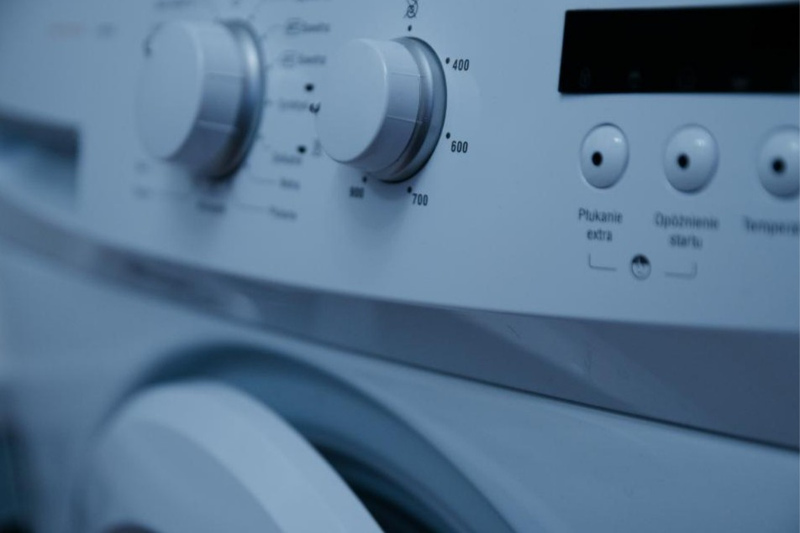
The most frequently collected large appliances include refrigerators, chest freezers, fridge-freezer combinations, washing machines, tumble dryers, dishwashers, and electric cookers. Each presents slightly different handling requirements based on the materials and substances involved.
Fridges and freezers are among the most complex due to the refrigerant gases that must be extracted before any other processing begins. Washing machines, while less hazardous in terms of chemical content, contain significant quantities of recoverable metal and require appropriate dismantling to maximise the value of recovered materials.
The Recycling Process Step by Step
When a large appliance arrives at a licensed recycling facility, it passes through a staged process designed to separate each component into the appropriate recovery stream. For fridges, this begins with refrigerant extraction, followed by oil recovery and foam processing. For washing machines and dryers, the process involves dismantling the drum, motor, and outer casing to separate steel, copper, and plastic components.
The goal at each stage is to maximise the proportion of the original appliance that is directed to genuine material recovery rather than residual waste disposal. Well-run licensed facilities achieve recovery rates well above the minimum requirements set by the regulations.
The Environmental Benefits of Proper Appliance Disposal
Responsible appliance disposal delivers measurable environmental benefits across several dimensions. Preventing refrigerant gases from entering the atmosphere directly reduces the release of substances with significant global warming potential. Recovering steel, aluminium, copper, and other metals from appliances reduces the demand for primary ore extraction, which is one of the most energy-intensive and environmentally disruptive industrial processes.
Capturing compressor oil and foam blowing agents prevents soil and water contamination at disposal sites. Taken together, the proper recycling of a single refrigerator can prevent the equivalent of several hundred kilograms of carbon dioxide equivalent from entering the atmosphere.
Planning Appliance Disposal Around a Home Upgrade

Appliance disposal is most straightforwardly managed when it is planned as part of a replacement or home upgrade project. Arranging a collection date that coincides with the delivery of a new appliance allows the old item to be removed at the same time, minimising disruption and the need to store a redundant appliance in the home.
Where multiple appliances are being disposed of at the same time, a single collection can often handle several items in one visit, reducing both cost and inconvenience. Planning the disposal in advance also ensures that documentation is in place before the items leave the property, which is relevant for businesses and landlords managing property portfolios.
What to Look for in a Collection Service
A compliant appliance collection service should be registered with the Environment Agency as an authorised waste carrier and should be able to provide waste transfer notes confirming that collected items have been received by a licensed treatment facility.
The collection team should be equipped to handle appliances safely, including in properties with access challenges such as multiple flights of stairs or narrow doorways. A transparent pricing structure with no hidden charges for access difficulties or fuel levies is a marker of a reliable and professional service. Where documentation is required for compliance purposes, the service should be able to provide this promptly after collection.
Making the Switch from Disposal to Recycling
The distinction between disposing of an appliance and recycling it is not merely semantic. Disposal implies that an item is simply removed from view, which may or may not result in compliant processing. Recycling, in the context of WEEE regulations, implies that the item is handled by a licensed facility that maximises material recovery and manages hazardous substances in line with regulatory requirements.
Choosing a collection service that is transparent about its processing chain and the facilities it works with gives householders and businesses confidence that their old appliances are contributing to genuine material recovery rather than simply being transferred to a less regulated waste stream elsewhere.