
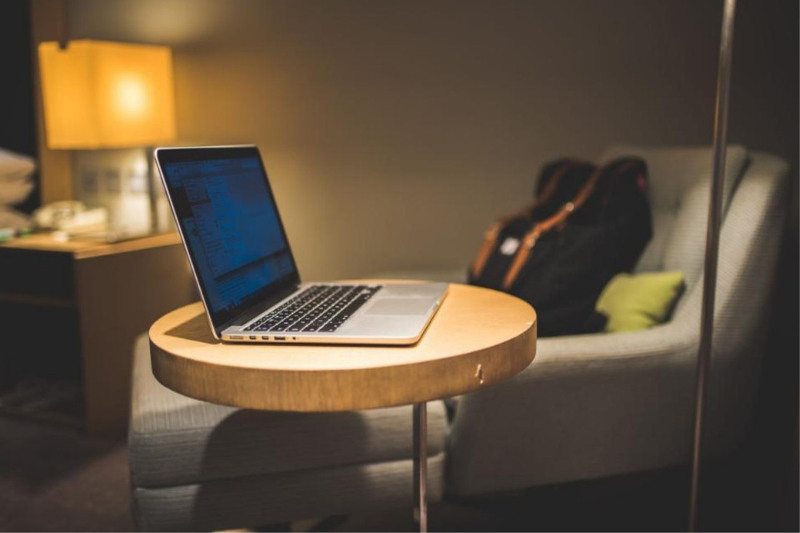
Somewhere along the way, the evening stopped being an evening. It became a second shift. Between finishing emails, prepping for tomorrow, squeezing in a workout, and telling ourselves we’re “unwinding” while scrolling, the hours after 6pm have quietly turned into another performance review.
I noticed this in myself first. A quiet cup of tea became “ten minutes before I sort the admin.” A walk became “cardio for the step count.” Even things meant to be restful got measured, tracked, optimised.
The Rise Of Evening Hustle Culture
We’ve built a culture where rest has to earn its place. Nobody explicitly told us that watching television without a second task open on our phone was lazy, yet somehow it feels that way. Every form of leisure now seems to come with a productivity wrapper attached.
This extends further than most of us admit. Even casual online browsing for entertainment has picked up the same checklist mentality, where people research and compare options the way they’d research a work project. Streaming platforms, bing-watching havens, and various games have become a vital part of our evening routines. Playing poker online – and other similar games – is also popular these days, especially on foreign websites, with flexible rules and simpler registration procedures, like this one here.
What Happens When Rest Becomes A Task

The consequences aren’t abstract. Deloitte UK’s research on working parents found that 57% reported feeling mentally exhausted or burnt out, with 53% citing increased stress or anxiety, a pattern closely tied to the sense that there’s no genuine off switch during the week. When every evening carries an unspoken obligation to be useful, the mind never actually clocks off, even when the laptop is closed.
That mental spillover has a physical root too. Analysis of UK working patterns has shown a significant share of employees regularly working extra hours beyond their contracted time, hours that get absorbed into what should be personal time rather than logged as work. Once that boundary erodes, the evening isn’t really yours anymore. It’s just an unpaid extension of the day.
Reclaiming Downtime As Actual Entertainment
Reclaiming an evening starts with a fairly uncomfortable admission: doing nothing productive is allowed. Not as a reward, not as a recovery tactic before the next sprint, but as an ordinary and valid way to spend time. Watching a full series without multitasking, cooking something slowly, or simply sitting with a book shouldn’t need justification.
The irony is that genuine downtime, the kind without a secondary goal, tends to leave people feeling more restored than the version stuffed with self-improvement tasks. Flexible and hybrid working arrangements have made this harder to protect, since home and work now share the same physical space and often the same mental space too. Without a clear boundary, the sofa becomes just another desk, and the evening becomes just another meeting that never quite ends.
Choosing Evenings That Feel Like Living
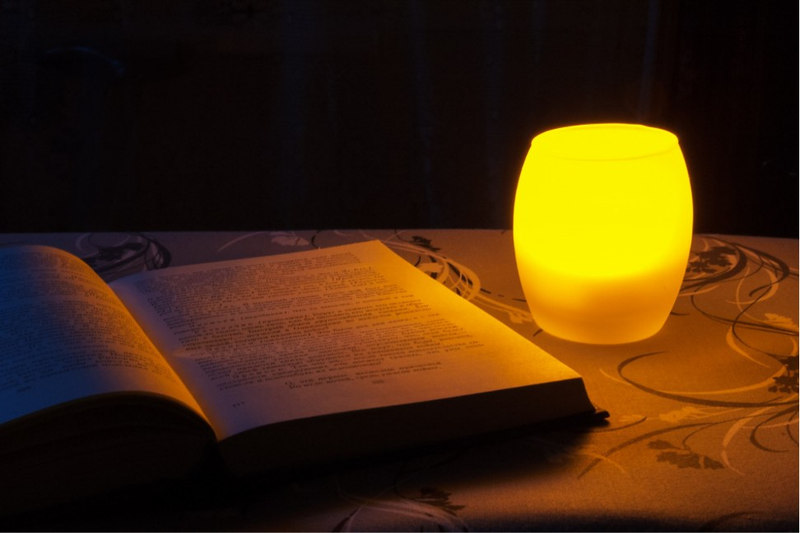
None of this means abandoning routine or discipline entirely. It means being honest about which evening habits actually serve us and which ones are just hustle culture wearing a relaxation costume. A walk taken purely because it’s pleasant is different from a walk taken to hit a target, even if it looks identical from the outside.
The goal isn’t to optimise the evening better. It’s to stop treating it as something that needs optimising at all. Some nights, the most productive thing you can do is absolutely nothing, and that’s worth protecting rather than apologising for.