

Travelers eagerly book flights and prepare baggage for their big excursion. Many forget travel insurance or believe misconceptions. Yet, many overlook travel insurance or get confused by common myths.
Common Myths About Travel Insurance
Misconceptions about travel insurance lead many people to skip it or choose poorly. Providers and experts often clarify these ideas. Here are some top myths and the facts that set the record straight.
Travel insurance seems unnecessary for some, but facts show its value in various scenarios. People assume it only fits certain trips, yet protection applies broadly. Credit cards and home medical insurance policies create a false sense of security. Policies do not cover everything, so travellers should read them carefully, especially when looking for additional financial security, such as offers, which they may check when budgeting for future trips.
Myth 1: Travel Insurance Is Only Necessary for International Trips
A lot of people think that insurance only covers them when they cross countries. I can think of faraway places where the health care or political risks are surprising. In fact, trips within the same country are full of shocks. A sudden storm stops all planes across the country. Someone goes to the emergency room after a car accident on the way to the airport. Last-minute family emergencies cancel hotel bookings that can’t be changed. A lot of the money that insurance companies pay out goes to claims for domestic travel.
Anywhere there are flight delays, lost bags, and hospital problems. It works the same for two states or two regions. When people plan “local” holidays without insurance, they lose money when their plans fall through. This is especially true when they are trying to save money for small pleasures or entertainment, such as no deposit bonus casino offers that actually work, or simply reading books.
Myth 2: Credit Cards Provide Full Coverage
Travel bonuses on premium credit cards persuade customers to avoid separate insurance. These perks appear generous — trip cancellation up to $10,000, luggage delay compensation. Dig deeper, restrictions arise. Most cards demand full travel expenses. Uncovered medical evacuation above $50,000.
Homebound ill relatives seldom qualify. Some weather, pre-existing conditions, and adventurous activities are excluded. Claims need a lot of paperwork and approval rates are lower than specialist insurers. Travelers who solely use cards run into gaps in emergencies, converting tiny savings into significant losses. For a detailed, high-authority breakdown of credit card coverage limits and gaps, see Forbes Advisor’s travel insurance comparison.
Myth 3: Home Health Insurance Works Seamlessly Abroad
People open their health plan booklet and see “international coverage” listed. Confidence grows—until the fine print surfaces. Domestic plans reimburse fractions overseas, if anything. Emergency surgery in Europe easily hits six figures; the home insurer caps at a few thousand. Air ambulances, critical for remote areas, fall entirely outside.
Repatriation to familiar hospitals requires upfront payment abroad. Some countries demand proof of insurance upon entry. Without it, treatment delays or denials occur. Travelers assume seamless care, then face bills that wipe out savings. Dedicated travel medical coverage fills these voids reliably.
Why Travelers Need Travel Insurance
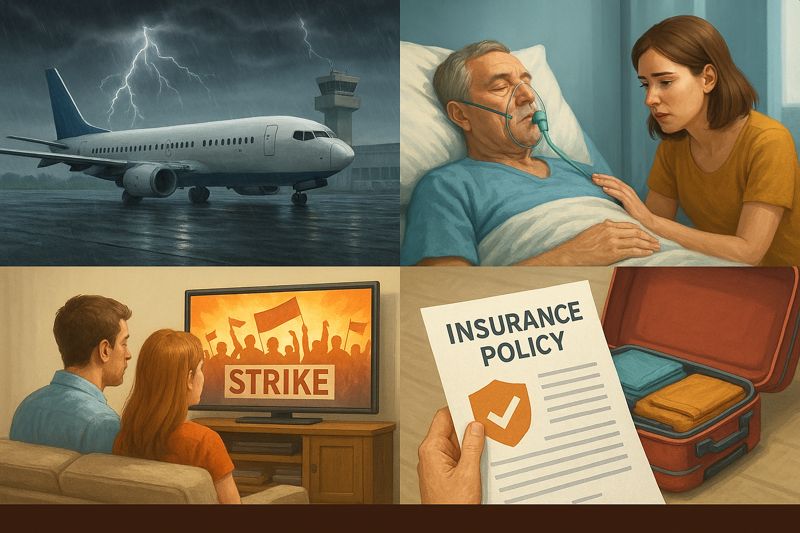
Travel insurance covers surprises. Weather, health, and world events alter plans. It covers medical expenses and non-refundable fees.
Experts say travel becomes increasingly complicated. Pandemics, strikes, and unrest interrupt timetables. Insurance provides security. People seldom utilize it but appreciate it in emergencies.
Domestic or international coverage helps. Countries without reciprocal health agreements leave visitors vulnerable. Steep bills or delays occur without support.
Financial peace comes from insurance. Focus stays on enjoyment, not worries. Guides from providers explain options fully.
What Travel Insurance Typically Covers
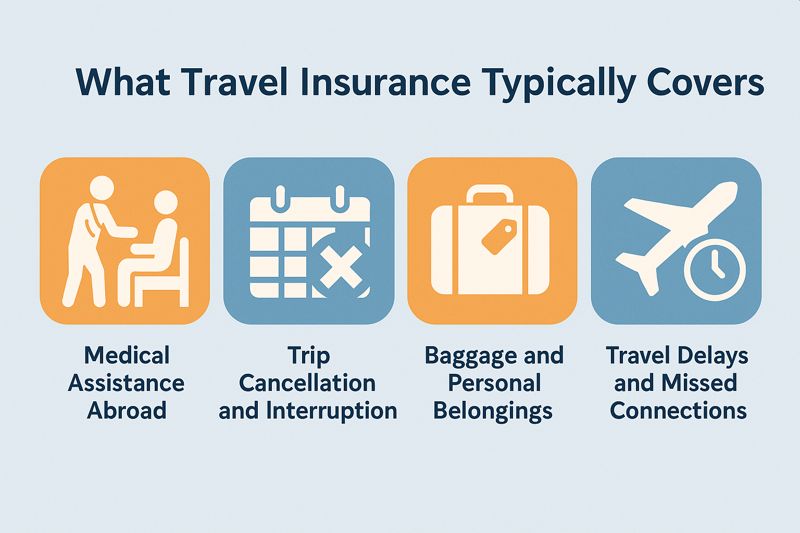
Policies vary, but core areas remain common. Travelers select based on trip type and needs. Understanding inclusions avoids surprises.
Insurance addresses pre-trip and on-trip issues. It covers health, delays, and belongings. Add-ons expand for adventures.
Medical Assistance Abroad
Sudden illness or injury triggers coverage. This includes emergency treatment, hospitalization, dental care, and transport home. Pre-existing conditions are usually excluded unless added. For those needing clarity on international healthcare expectations, the Ministry of Health also provides guidance relevant to travellers preparing for overseas medical scenarios.
Trip Cancellation and Interruption
Reimbursement happens for prepaid expenses. Reasons include illness, family death, or home damage.
Baggage and Personal Belongings
Loss, theft, damage, or delays are all covered by compensation. Each item and the whole amount are limited.
Travel Delays and Missed Connections
Extra costs from delays or misses get covered if the reasons qualify.
Personal Liability
Protection for accidental injury or property damage to others, including legal help.
Adventure Sports Add-On
Standard plans exclude risks like skiing or diving. Upgrades add them. Review terms to confirm fits. Confidence grows with clear knowledge.
Illnesses Not Covered by Travel Insurance
Policies include medical help but exclude certain cases. Exclusions prevent claims denials. Providers list them clearly.
Pre-existing conditions top the list. Any issue before policy starts stays out. Chronic illnesses or recent diagnoses qualify. Mental health treatments lack coverage. Depression, anxiety, or psychiatric care are excluded.
Substance-related injuries or illnesses are denied. Alcohol or drugs void claims. Routine check-ups, vaccinations, or preventive care skip inclusion. Cosmetic procedures do too unless necessary. High-risk activities without add-ons excluded. Informed travellers check specifics.
The Two Main Drawbacks of Travel Insurance

Travel insurance offers benefits but has downsides. Two stand out based on user experiences and expert views.
Exclusions and Limitations
Fine print causes denials. Common exclusions include:
- Pre-existing conditions.
- High-risk sports without add-ons.
- Political events or pandemics.
- Minor delays or issues below thresholds.
Frustration arises when claims fail. Add-ons or specialized plans reduce gaps with research.
Cost Versus Benefit
Premiums feel high for short or cheap trips. Overlap with cards or other policies wastes money. No claims make it seem unworthy. Value shines in emergencies. Medical or disruption costs outweigh premiums then.
When to Buy Travel Insurance
Timing maximizes benefits. Purchase on booking day or within seven days. This activates cancellation coverage early. Early buy protects pre-departure events. Illness or injury before travel qualifies for reimbursement. Finalize arrangements, then secure policy. Comprehensive protection starts immediately.
Checking Credit Card Travel Benefits
Cards sometimes include insurance, surprising holders. Not all do, and coverage limits.
Steps to verify:
- Review card guide or online portal.
- Search for trip cancellation, luggage, or accident terms.
- Call service with specific questions on medical, delays, or scope.
Full trip cost on card is often required. Limits exclude evacuations or risks. It supplements, not replaces, full policies.
Travel insurance myths confuse, but facts clarify. Coverage protects plans and health. Review options for the best fit. Trips become enjoyable with preparation.