

Food matters, but it is only one part of the picture when it comes to health and appearance. Regular physical activity, adequate sleep, not smoking and keeping alcohol within sensible limits all play their part too, and where there is a persistent concern, such as unexplained hair loss or a significant skin change, it is far more useful to identify the underlying cause than to keep adding another supplement to the cupboard.
Ss Ana Carolina Goncalves, Superintendent Pharmacist at Pharmica online pharmacy, puts it: “As a pharmacist, I always encourage people to look at their wellbeing as a whole rather than searching for a quick fix. A balanced diet, regular activity, good sleep and managing stress all work together, and small, consistent habits usually make far more difference over time than any single food or supplement.”
Genetics, ageing, hormones, sleep, stress, smoking and existing health conditions all play a part. Eating a nutritious and varied diet consistently, however, provides a useful foundation for both health and appearance. Here are some foods worth including regularly.
-
Oily fish for protein and healthy fats
Salmon, sardines, mackerel and other oily fish provide protein alongside omega-3 fatty acids. Protein is needed for the growth and maintenance of tissues throughout the body, including skin and hair, and unsaturated fats are an important part of a balanced diet. Oily fish also provides nutrients such as vitamin D, vitamin B12 and selenium, though the amounts vary between different types of fish.
There is no need to eat fish every day. The wider aim is to include a variety of protein sources across the week, with oily fish forming one option for people who eat it.
-
Eggs for protein and micronutrients
Eggs are another useful source of high-quality protein and provide several vitamins and minerals. They also contain biotin, a B vitamin often associated with hair and skin products, but that does not mean taking high-dose biotin supplements will automatically make hair grow faster.
Genuine nutritional deficiencies can affect the condition of hair and skin, but more is not necessarily better once your nutritional requirements are being met. For most people, obtaining nutrients through a varied diet is a more sensible approach than taking supplements for cosmetic purposes without any evidence of a deficiency.
-
Beans and lentils for plant protein and fibre
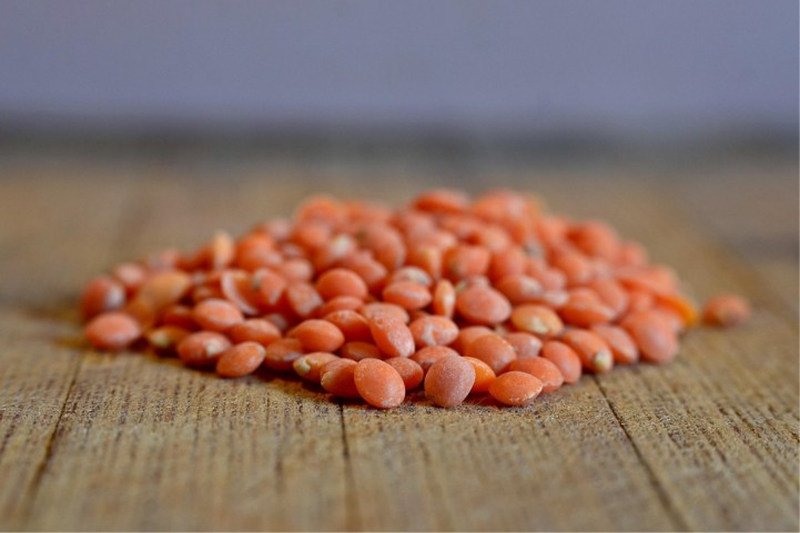
Beans, lentils and chickpeas are useful because they combine protein with substantial amounts of dietary fibre, and they also provide nutrients including iron, folate, magnesium and zinc. Fibre supports normal digestive health and helps make meals more satisfying.
Increasing your fibre intake can be surprisingly straightforward. Adding lentils to a curry, chickpeas to a salad or beans to a chilli can raise the fibre content of a meal considerably without changing a familiar dish beyond recognition.
-
Nuts and seeds for healthy fats and vitamin E
A small handful of nuts or seeds can provide unsaturated fats, fibre, protein and several micronutrients. Almonds, walnuts, pumpkin seeds and sunflower seeds are easy additions to porridge, yoghurt or salads, and peanut or other nut butters can contribute useful nutrients too.
Some nuts and seeds contain vitamin E, which contributes to the protection of cells from oxidative stress. The important point is variety, rather than focusing heavily on one fashionable nut or seed, since different foods provide different combinations of nutrients.
-
Colourful fruit and vegetables for skin health
Fruit and vegetables provide vitamin C, carotenoids, fibre and a wide range of other naturally occurring plant compounds. Vitamin C is particularly relevant to skin, because the body needs it for normal collagen formation. Rather than relying on supplements, aim to eat fruit and vegetables of different colours across the week.
Berries, oranges, kiwi fruit, peppers, tomatoes, broccoli, carrots and leafy green vegetables all contribute slightly different nutritional profiles. The British Dietetic Association recommends making fruit and vegetables a substantial part of a balanced diet, alongside wholegrain carbohydrates, protein foods and appropriate sources of fat.
-
Wholegrains for energy and fibre
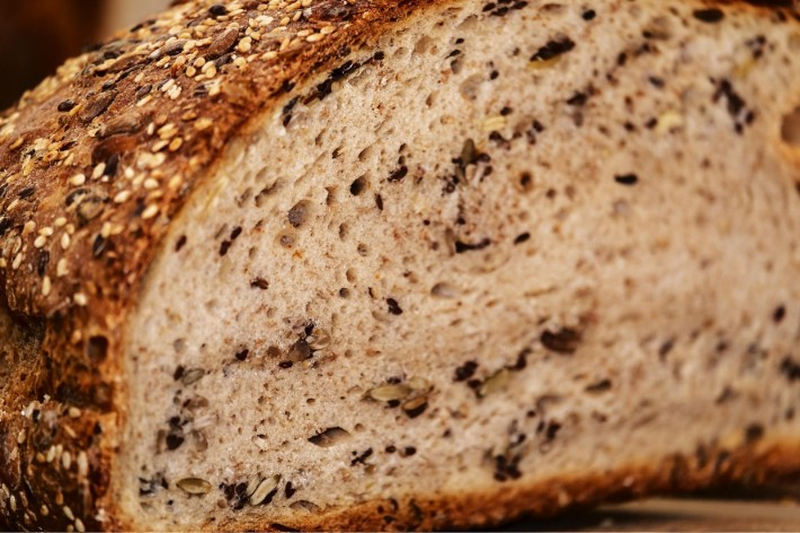
Carbohydrates sometimes get an unnecessarily bad reputation in health and fitness discussions, but the type of carbohydrate matters. Oats, wholegrain bread, brown rice and wholegrain pasta provide fibre alongside energy and micronutrients, and they work well as part of balanced meals when combined with vegetables, protein and healthier sources of fat.
Porridge topped with fruit and nuts, for example, provides a very different nutritional profile from a heavily sweetened breakfast pastry, despite both containing carbohydrates. Wholegrains can also help increase your overall fibre intake without requiring dramatic changes to your diet.
-
A balanced diet can support hair, but not every type of hair loss is nutritional
Hair is particularly prone to exaggerated nutrition claims. Protein, iron, zinc and other nutrients are needed for normal hair growth, and deficiencies can contribute to some forms of hair loss, while significant illness, stress and substantial weight loss can also trigger temporary shedding.
Male pattern baldness is different, however. It is largely influenced by genetics and hormones rather than simply being caused by a poor diet, which means eating more eggs, taking biotin or increasing your protein intake should not be expected to reverse it. Where male pattern baldness is the cause, established treatments include finasteride, which reduces the conversion of testosterone into dihydrotestosterone, or DHT, a hormone involved in male pattern hair loss. It does not work for every type of hair loss and, like any medicine, can cause side effects, so suitability needs to be assessed properly.
NHS guidance on hair loss also highlights that it can have many causes, including illness, stress, weight loss and iron deficiency. If hair loss develops suddenly, occurs in patches or has no obvious explanation, it is worth identifying the cause rather than assuming diet or male pattern baldness is responsible.
-
Yoghurt and other nutrient-rich dairy foods
Natural yoghurt provides protein and calcium and can be combined easily with fruit, oats, nuts or seeds. Live yoghurt also contains the microorganisms used in fermentation, which makes fermented foods an interesting area of research in relation to the gut microbiome.
That does not mean yoghurt should be viewed as a miracle health food. It is simply one convenient way of adding protein and other nutrients to the diet. People who do not consume dairy can choose suitable alternatives, ideally checking the label, because the protein, calcium and vitamin content of different plant-based products can vary considerably.