
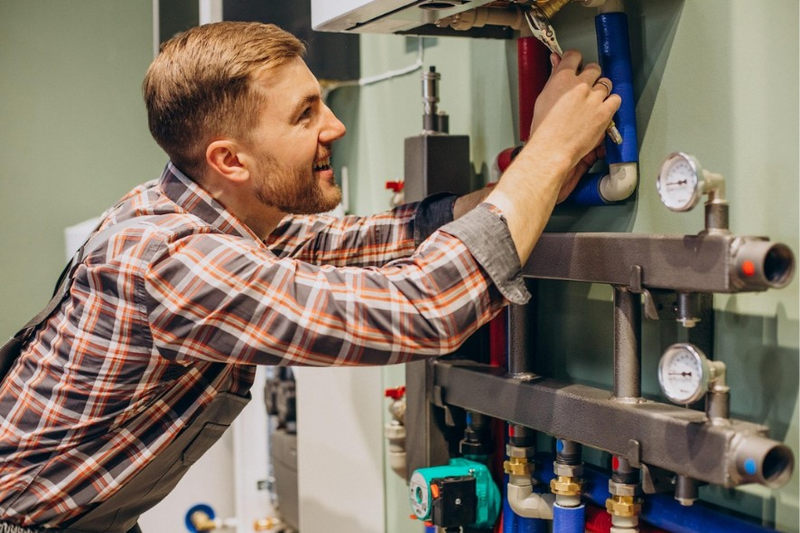
An annual boiler service is often treated as a box-ticking exercise, but it involves a real set of checks that directly affect safety and the boiler’s long-term reliability. Engineers at companies such as Smart Gas Solutions follow a consistent inspection process each time, and understanding what actually happens during that visit helps homeowners see the value in an appointment that takes roughly an hour but protects a system that runs for years.
The Service Begins With a Visual Inspection
Every service starts with the engineer visually examining the boiler’s key components, including injectors, burners, condensate systems, fans, and heat exchangers, looking for early signs of wear, corrosion, or damage before they develop into more serious faults. This initial inspection often catches minor issues while they remain cheap and straightforward to fix, rather than letting them progress into a full breakdown later in the year.
Gas Flue Testing Checks for a Serious Safety Risk

Testing the gas flue for proper ventilation and checking for carbon monoxide leaks is one of the most important safety elements of any boiler service, since a faulty flue can allow dangerous gases to build up in the property without any obvious warning signs to occupants. Engineers use specialist equipment to measure flue gas readings against safe operating parameters and flag any reading outside acceptable limits immediately.
Performance Checks Confirm Efficient Operation
Beyond safety, the service also assesses how efficiently the boiler is actually running, checking system pressure and overall performance against the manufacturer’s specifications. A boiler running below its intended efficiency wastes energy. It increases running costs for the household, even if it continues to function without any obvious fault, making this efficiency check a meaningful part of the overall inspection.
Certification Provides a Formal Safety Record
After a successful inspection, the engineer issues an electronic service certificate confirming the boiler has been checked and is operating safely, giving homeowners a documented record that can matter for insurance, warranty claims, or when selling a property in the future. Keeping this certification up to date each year builds a consistent maintenance history that demonstrates responsible ownership.
Regular Servicing Keeps Manufacturer Warranties Valid
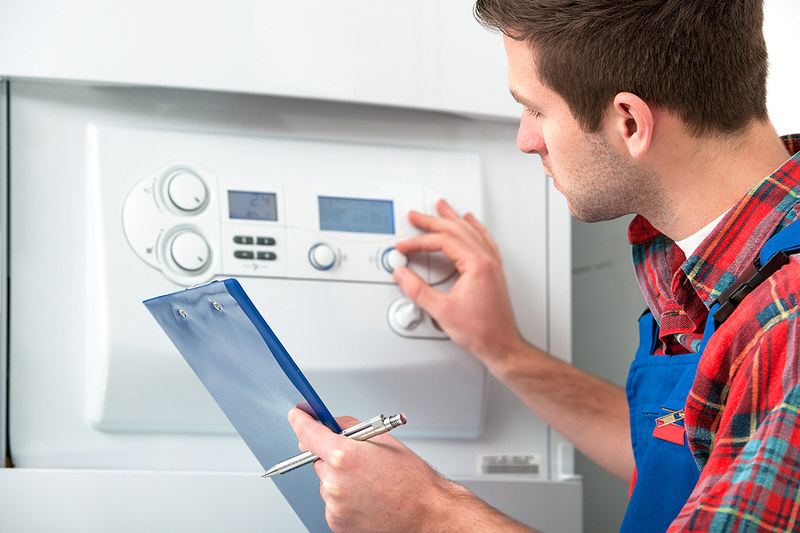
Most boiler manufacturers require proof of annual servicing to keep a warranty valid, meaning a homeowner who skips servicing risks losing warranty coverage entirely even if the boiler itself has not yet developed a fault. This requirement alone makes annual servicing a financially sensible decision, since the relatively modest cost of a service is minor compared to the potential cost of an uncovered repair or replacement.
Why Consistency in Servicing Matters Over Time
Homeowners who service their boiler with the same provider each year benefit from an engineer who becomes genuinely familiar with that specific system, building a maintenance history that helps identify gradual performance changes a first-time visitor might not immediately recognise as significant. This continuity can make a real difference in catching developing issues early, since an engineer who has serviced a boiler previously has a clearer baseline for what normal operation actually looks like for that particular unit.
Gas safety also carries legal weight beyond routine servicing. UK regulations require a Gas Safe registered engineer to investigate any suspected gas leak immediately. Never attempt to diagnose a suspected gas issue yourself; treat any unusual smell or symptom as a reason to call a professional without delay.
A Record Worth Keeping
Noting the date of each service and any engineer recommendations takes minutes. It pays dividends over time, making it easier to track your boiler’s maintenance history, spot recurring issues, and provide clear evidence of consistent upkeep when selling your property.