
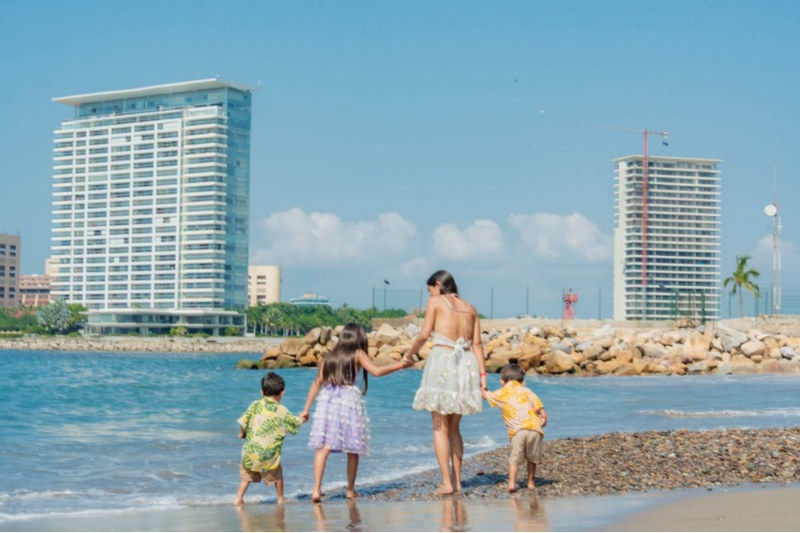
A beach day with a toddler or a nervous three-year-old works best when you plan around their limits, not yours. Try to force a full day of sun on a child who’s used to a strict lunchtime nap and you’ll probably end up with tantrums.
A bit of prep means everyone can enjoy the sand and sea without meltdowns. It’s about finding the right balance between activity and rest while keeping things simple. Read on for how to plan a seaside trip that will keep your little ones safe, happy, and comfortable.
Pack the Right Gear for Sun and Sand
When you head to the coast with under-fives, your packing list needs to focus on shade and simple, practical bits. A sturdy windbreak or a pop-up tent is essential because it will give you a reliable spot of shade on wide, open beaches. It’ll also give your children a quiet space to rest when the bright light and noise become too much.
Think about footwear and clothing protection too. Beach shoes or jelly shoes will protect small feet from sharp stones and slippery seaweed, especially around rock pools. Pack a dry bag to separate wet swimwear from the rest of your gear. For food, bring snacks that won’t melt in the heat, like crackers, oatcakes and fruit slices, not chocolate.
Sun safety needs constant attention near the water. Reapply sun cream often, and always straight after your kids have been splashing in the sea. The NHS advises staying out of the sun between 11am and 3pm from March to October, so aim for early morning or late afternoon on the sand instead. A UPF-rated sun suit will do a lot of the heavy lifting for babies and toddlers.
The Best UK Beaches for Toddlers and Under-Fives
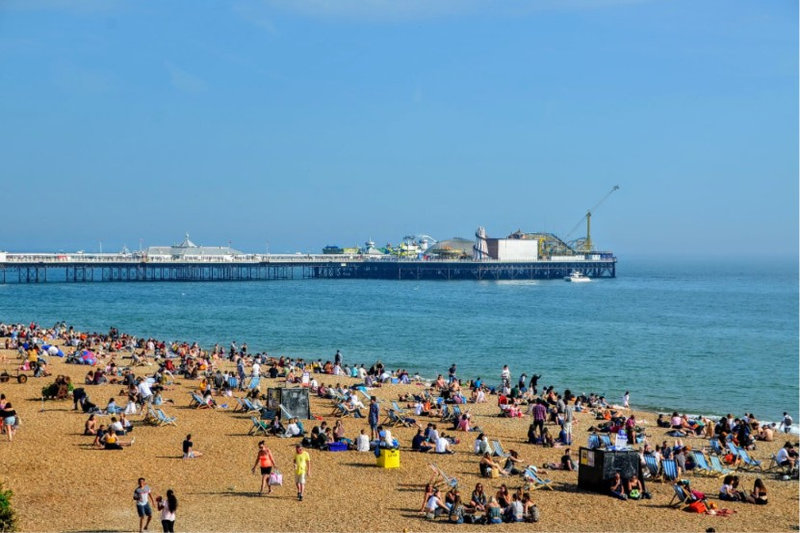
Not every coastal spot suits very young children. Look for shallow water, soft sand, seasonal RNLI lifeguard cover, nearby toilets, easy parking, and rock pools at low tide. A few beaches that tick most of these boxes:
- Woolacombe, Devon has three miles of golden sand and RNLI lifeguard cover in the main season. The southern end near Putsborough tends to be calmer for paddling, while the village end picks up more surf.
- Holkham, Norfolk has a huge stretch of soft sand backed by pine woods, with shallow tidal lagoons when the tide is out. Note there’s no lifeguard service, so stick close to your kids and check tide times before you go.
- Bamburgh, Northumberland sits under a dramatic castle with wide sands and dunes. The North Sea is cold and the coast can be bracing, so pack extra layers and windbreaks. Seasonal RNLI cover is at nearby Seahouses.
- Tenby, Pembrokeshire has beautifully calm waters at North Beach and Castle Beach, plus a charming walkable town for ice creams and toilet breaks.
Where to Stay
Staying close to the beach makes life much easier with young kids. It’ll cut down on travel time and make it simple to head back for afternoon naps or quick clothing changes. Get stuck in traffic for an hour each way and your children will be exhausted before they even touch the sand.
Coastal villages are one of the best choices with kids because everything sits within walking distance. Somewhere with its own kitchen and separate bedrooms will let you stay consistent with your usual home routines, and keep toddlers much calmer. For that, Beach Stays coastal cottages are the perfect place to start. A cottage will also give you somewhere warm to retreat if the British weather turns. Instead of waiting out a downpour in a damp car, you can head inside for a hot drink and dry clothes.
Plan Simple Activities for the Shore
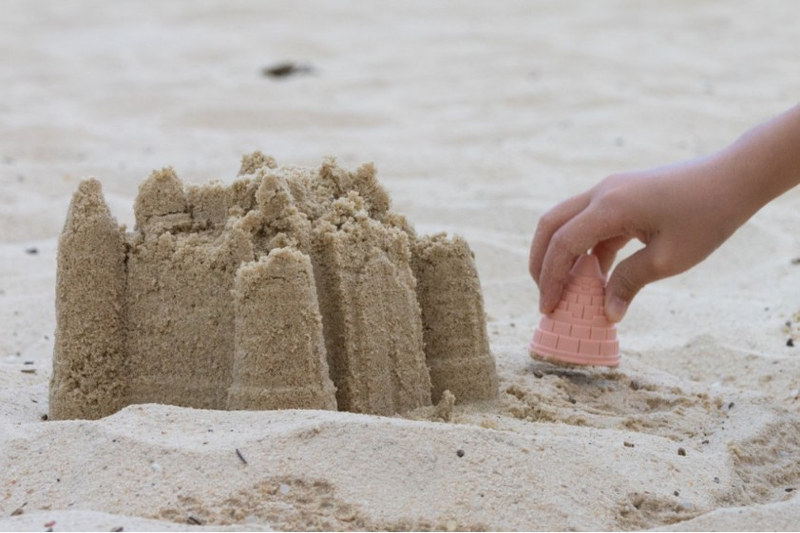
You don’t need to overcomplicate entertainment at the coast. Toddlers are often fascinated by the simplest things, like the texture of wet sand or the movement of small waves. Bring a few basic buckets and spades, then let your children lead the play based on what catches their eye.
Building sandcastles or burying feet in the sand will keep a three-year-old busy for hours. Look for tiny shells or smooth stones along the shoreline to make patterns on the beach. Keeping activities relaxed will stop your kids from getting overstimulated.
Stay Flexible and Leave Before the Meltdown
The trick to a great family seaside trip is being willing to change your plans at a moment’s notice. If the wind picks up or your child starts flagging, it’s always better to leave early than push through.
A short, happy trip beats a long day that ends in exhaustion. Focus on comfort, choose a convenient place to stay, and you’ll build the kind of coastal memories that stick around for years.