

For many travellers, what happens after sundown defines the trip more than any museum or landmark. Whether you’re drawn to rooftop cocktail bars, jazz clubs, late-night food markets, or venues with a bit of flutter on the side like NightWin Casino, the world’s great cities have learned to take their evenings seriously. Night entertainment has quietly become its own travel category — and choosing the right destination makes a bigger difference than most people expect.
This guide covers the cities that do it best, and what separates a genuinely memorable night out from a forgettable one.
Las Vegas: The Benchmark
No city has built its entire identity around night entertainment the way Las Vegas has. The Strip after dark is a spectacle — millions of lights, vast gaming floors, world-class residency shows, and dining rooms that only really get going past 10pm. The major resorts are self-contained worlds: you can spend three days inside a single complex and move between great food, live music, and serious entertainment without ever needing a taxi.
Spring and autumn offer the most comfortable temperatures for walking the Strip. Shows sell out weeks in advance, so buy tickets before you fly. Most restaurant kitchens run late menus well past midnight — something northern European visitors often find surprisingly liberating.
Tokyo: The Art of the Izakaya
Tokyo’s nightlife doesn’t shout. It rewards patience and curiosity. The city has thousands of tiny bars — each seating perhaps eight people — tucked into basement floors and alleyways across Shinjuku, Shibuya, Shimokitazawa, and Golden Gai. The neon lights of Akihibara and hip Aoyama’s out-there architecture show off the country’s fascination with the cutting edge, while tiny izakaya pubs in Shibuya provide the perfect opportunity to get under Tokyo‘s skin.
The izakaya is central to Japanese social life: part pub, part restaurant, with small dishes arriving continuously alongside sake, beer, or shochu. A well-chosen izakaya in a working neighbourhood like Yurakucho — under the train tracks, a little worn at the edges — offers one of the most genuinely local city experiences available anywhere on earth. As CNN’s Tokyo travel guide notes, Tokyo has more Michelin-starred restaurants than Paris, making it as much a destination for serious food as for late-night bar culture.
Barcelona: Where Dinner Starts at Ten
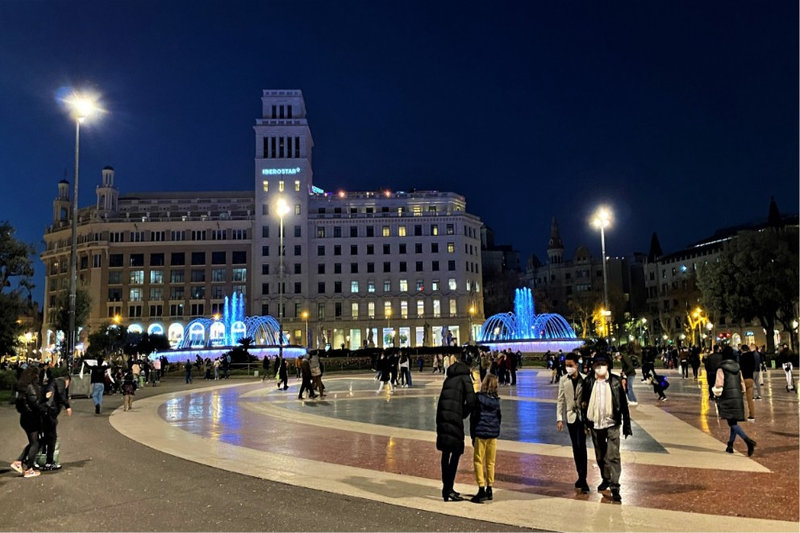
The rhythm of Barcelona is its defining feature. Locals rarely eat dinner before nine or ten. Bars fill up properly after midnight. The clubs have barely hit their stride at 2am. Visitors who arrive expecting northern European timing find themselves watching empty dance floors at eleven and wondering where everyone is.
Barcelona is an international hub of highly active and diverse nightlife, with bars, dance bars and nightclubs staying open well past midnight. The city’s evening scene roughly divides into three zones: the Gothic Quarter for tapas bars in medieval streets; the Barceloneta beachfront for open-air summer clubs; and the Eixample and Gracia districts for the quieter, neighbourhood-level bar culture that locals actually use midweek. Restaurants without reservations are risky on weekends — book ahead even for mid-range places.
Berlin: The Serious Club
Berlin occupies a unique position in global nightlife. Berlin’s hip status is assured thanks to a young, diverse population and a nightlife that makes London and New York look tame by comparison.
It’s 2am and hundreds of people are lined up outside Berlin’s legendary techno club Berghain — throngs of black-clad dance freaks hoping to make it past the club’s notoriously selective bouncers. The major clubs here are treated as cultural institutions, not just venues: strict door policies, no-photography rules, and sound systems tuned to near-professional standards are the norm. Events start at midnight and run through Monday morning. The city’s 24-hour food culture means excellent meals are available at 4am across Kreuzberg and Friedrichshain — a practical detail that matters more than it sounds on a long night. As CNN’s Berlin nightlife guide puts it, the capital of Germany has been teaching the world how to party and play for a long time.
Late-Night Food: The Telling Detail
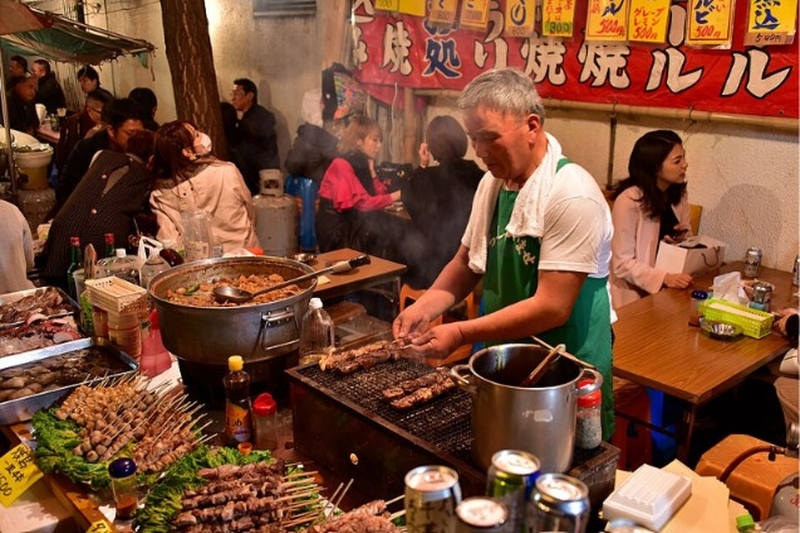

The cities that take their nights seriously have all solved the same underlying problem: feeding people who aren’t hungry until midnight. In Tokyo, ramen shops and izakaya small plates run until 3 or 5am in the busy districts. New York’s diner culture never closes. Istanbul’s street carts serve midye dolma and kokoreç deep into the evening. Mexico City’s taco al pastor stands hit their peak hour somewhere between midnight and 3am.
The pattern across all of them is the same: the food follows the people, and the people follow the night. A city that closes its kitchens at ten is a city that hasn’t quite committed to the evening.
How to Plan a Night-Focused Trip
Night-focused travel requires different preparation than cultural or nature trips. Accommodation location matters more than usual — late nights and early transport don’t mix, so proximity to venues is worth paying for. Adjusting your body clock two or three days before arrival helps considerably for late-night destinations, especially crossing time zones into Asia.
Budget allocation tends to shift too: evening entertainment spend often overtakes daytime costs in cities like Las Vegas or Barcelona, and underestimating this creates pressure mid-trip. Some cities reward solo travellers especially well — Tokyo and Berlin both have strong individual cultures — while others, like Buenos Aires, feel better in groups. Safe transport routes home are worth mapping before you need them, not at 3am in an unfamiliar neighbourhood.
If you’re the kind of traveller who finds that a single trip changes something more fundamental, the piece Why a Single Trip Can Rewrite Your Life’s Narrative on this blog is worth a read before you go.
A Final Thought
The cities that do night entertainment best share one quality: they’ve woven it into the fabric of ordinary life rather than treating it as a separate, special occasion. In Tokyo, a salaryman drinking with colleagues under the Yamanote Line isn’t “doing nightlife” — he’s having Tuesday. In Buenos Aires, the family eating steak at midnight isn’t marking a celebration — that’s just dinner.
The opportunity for a traveller is to step into those rhythms rather than impose your own. Go later. Eat when the locals eat. Find the bar without an English menu. The best nights in any city are rarely fully planned. They’re found.