
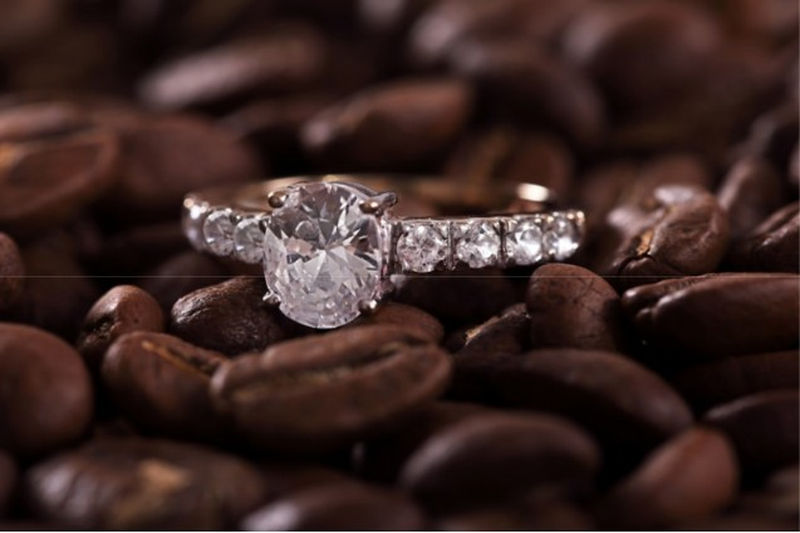
Buying an engagement ring is one of the most significant purchases most people will make, and doing it well requires more preparation than many buyers anticipate. From understanding the characteristics of the stone to finding a jeweller whose expertise and quality you can trust, the process involves a series of decisions that benefit from being approached thoughtfully.
Specialists like Bercotts Jewellers work with couples at every stage of this process, offering guidance on natural diamond selection that helps buyers feel informed rather than overwhelmed. This guide covers the most important elements of the buying process from beginning to end.
Setting a Realistic Budget
Budget is the natural starting point for most buyers, and being clear about it upfront makes the rest of the process considerably easier. There is no universal rule about how much should be spent on an engagement ring, despite the persistent myths that have circulated for decades.
The right amount is whatever allows you to purchase a ring that genuinely reflects the quality you want to give without creating financial pressure that overshadows the occasion. Working with a reputable jeweller who can show you what different budgets deliver in terms of stone quality and setting options is a much better approach than applying an arbitrary formula.
Understanding the Four Characteristics

The four characteristics of a diamond are cut, colour, clarity, and carat weight. ‘Cut’ refers to the precision of the diamond facets and their ability to reflect light. A well-cut diamond will appear more brilliant and lively than a poorly cut stone of higher carat weight. Colour is graded on a scale from D, which is completely colourless, to Z, which has a visible yellow tint.
Clarity describes the presence of inclusions or blemishes within or on the surface of the stone. Carat weight is a measure of the diamond mass rather than its physical size, though the two are broadly related for a given cut style.
Choosing the Right Setting Style
The setting of an engagement ring is as important as the stone itself in determining the overall appearance. A solitaire setting places a single diamond at the centre of the ring and is the most classic and enduring option, suiting a wide range of personal styles. A halo setting surrounds the central stone with smaller diamonds, which can make the ring appear larger and adds considerable brilliance.
Three stone settings feature a central diamond flanked by two smaller stones and carry symbolic meaning relating to past, present, and future. Pavé or channel set bands incorporate diamonds along the band, adding sparkle while complementing the central stone.
Selecting the Right Metal
The metal of the band affects both the appearance of the ring and its practical durability in everyday wear. Platinum is the most durable and hypoallergenic option, with a cool white tone that complements colourless diamonds particularly well. White gold offers a similar appearance at a lower price point but requires periodic rhodium plating to maintain its finish.
Yellow gold pairs beautifully with lower-colour-grade diamonds, as the warm tone of the metal can make the stone appear whiter by contrast. Rose gold has become increasingly popular for its warm, romantic tone and its compatibility with a wide range of skin tones.
How to Find a Jeweller You Can Trust
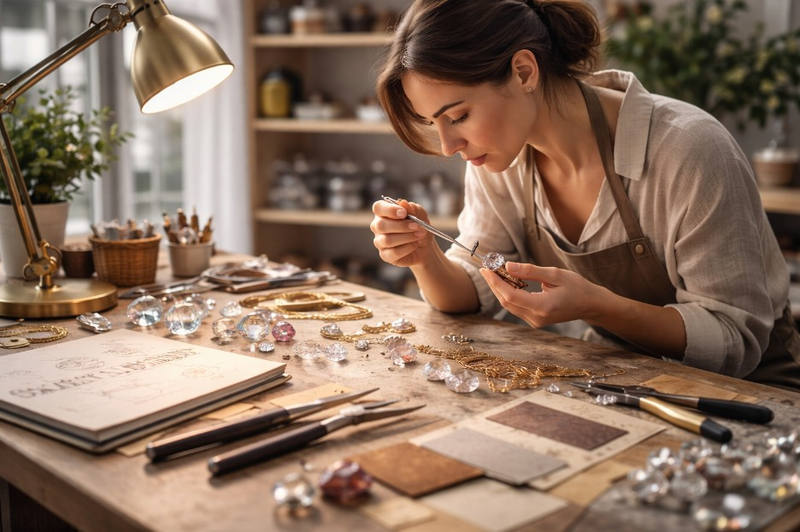
The quality and integrity of the jeweller matter enormously in a purchase of this significance. A reputable jeweller will provide grading certificates for their diamonds from recognised independent laboratories, will be transparent about the characteristics and provenance of the stones they sell, and will take time to understand what you are looking for before making recommendations.
Be cautious of jewellers who apply high-pressure sales tactics, who are reluctant to discuss technical details, or whose pricing seems unusually low without clear explanation. The relationship with the jeweller does not end at purchase, since you will likely return for sizing adjustments and future anniversary pieces.
Getting the Size Right
Ring sizing is a practical consideration that catches many buyers off guard. Finger size varies with temperature, time of day, and seasonal changes, so a size measured in the morning in winter may differ from the same finger measured in the afternoon in summer. The most reliable approach is to visit a jeweller for a professional measurement at different times of day if possible.
If buying as a surprise and unable to obtain the measurement in advance, most jewellers are happy to resize the ring after the proposal, and purchasing in an approximate size with the understanding that adjustment will follow is a completely standard and common practice.