
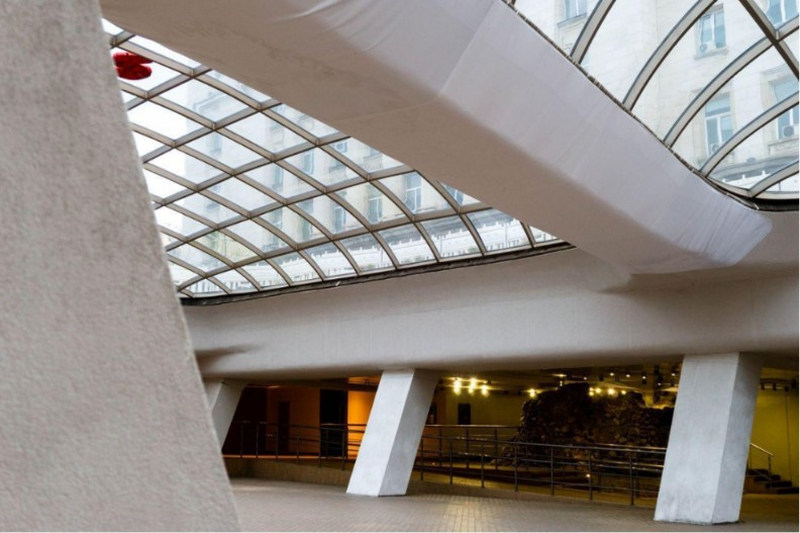
Concrete is useful. From highways and barriers to bridges and apartment towers, parking lots, drainage and public infrastructure, concrete is everywhere. Durable everyday wear. Concrete means more than construction. It impacted city planning, community gatherings, development of public space, social progress, power, resilience and memorialisation.
Precast concrete remains a popular choice for modern buildings due to its strength and durability, according to precast concrete solutions providers like JP Concrete. The story of concrete is more than usefulness. Today, it is part of national identity, architectural innovation, urban life, and world opinion.
Modern City Growth and Concrete
Concrete had the greatest cultural impact on 20th-century urbanisation. Cities needed more schools, hospitals, housing estates, transit centres, factories, bridges, and government buildings than older materials could provide. Concrete grew. Many nations connected modernism with concrete.
Speed, ambition, and large-scale construction were its symbols. Future neighbourhoods, municipal centres, universities, and transit networks were planned. Several buildings were admired. Concerns arise over time. Regardless, they shaped city culture.
Public Life Content
Concrete’s use in public places connects it to everyday life. Concrete plazas, terminals, and civic buildings attract visitors. Material shapes everyday settings without people knowing it.
Materials provide movement and openness. Concrete is used in wide stairs, open courtyards, amphitheatres, skate parks, promenades, and public squares because it can withstand the elements, foot traffic, and heavy use. Concrete permeates society in this manner.
Brutalism and Emotion
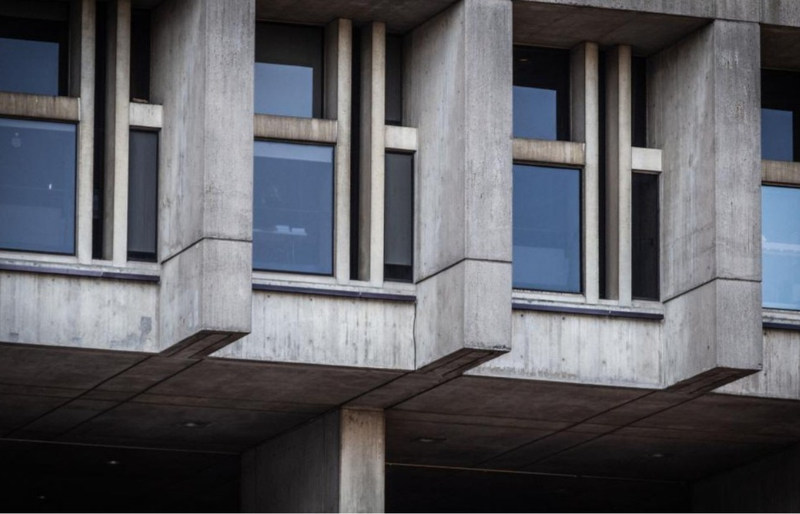
A concrete cultural discussion requires brutalism. Exposed concrete and dramatic shapes define this modern architectural style. Some say Brutalist architecture is forceful, honest, and sculptural. Some find them heavy, cold, or uncomfortable. Concrete’s cultural value is evident in this disagreement. Larger concrete structures evoke stronger emotions than glass towers.
The spectator can regard it as protective, scary, majestic, or nostalgic. New generations admire the Brutalist buildings artistically and historically.
Concrete Resilience Symbol
Different countries define concrete differently. Security and permanence are represented. Families build concrete homes to withstand storms, fires, heat, vermin, and time. Shelters, sea walls, flood barriers, and retaining walls are all composed of concrete. Concrete offers protection against natural disasters.
This symbolism strengthens the material necessary for survival. Concrete barriers do more than just prevent erosion and collapse on highways and buildings. In an emergency, concrete schools are more than just structures. This resource promotes security, continuity, and future care.
Art, Monument, Memory
Concrete is now both art and memory. Memorials, museums, religious venues, and cultural buildings use concrete to create a solemn, calm, and emotionally regulated environment. Its weight might ground a location. Its minimalist approach accentuates light, shadow, stillness, and shape.
Architects around the world use concrete to express sadness, dignity, meditation, and national memory. Use it to create rough, polished, curved, or severe geometric shapes. It enables designers to focus on ambience rather than structure.
Global Content with Local Meaning
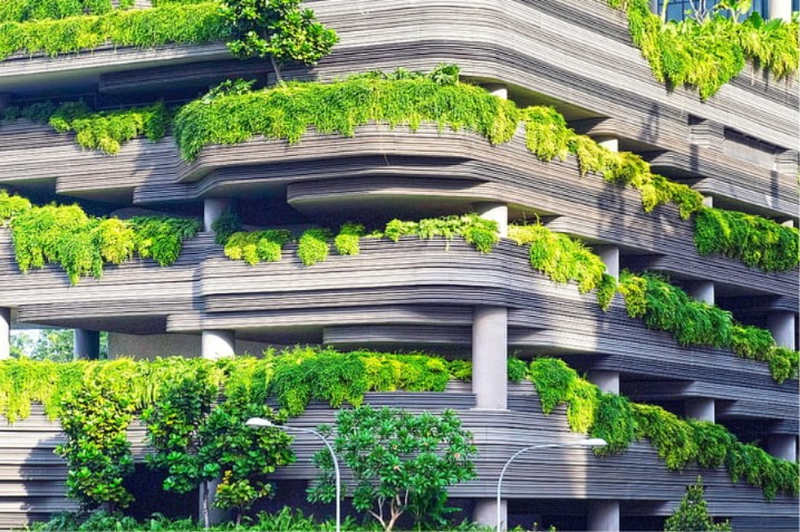
Concrete is ubiquitous but has numerous meanings. One city may recollect postwar rebuilding. It may imply rapid growth. It could be related to informal dwelling, public infrastructure, manufacturing, or experimental architecture. Daily use, weather, history, and politics all affect its cultural significance.
Such factors may explain why concrete is difficult to define. It can be small, large, inexpensive, smart, despised, or protected. It can either merge or dominate skylines. Few materials have had such an impact on modern culture while remaining mostly unknown.
World Made of Concrete
It’s not unexpected that concrete has an impact on culture. This influence is frequently neglected, which is surprising. Globally, concrete serves as the foundation for modern life.
Engineers, builders, communities, artists, planners, and citizens present their stories.