
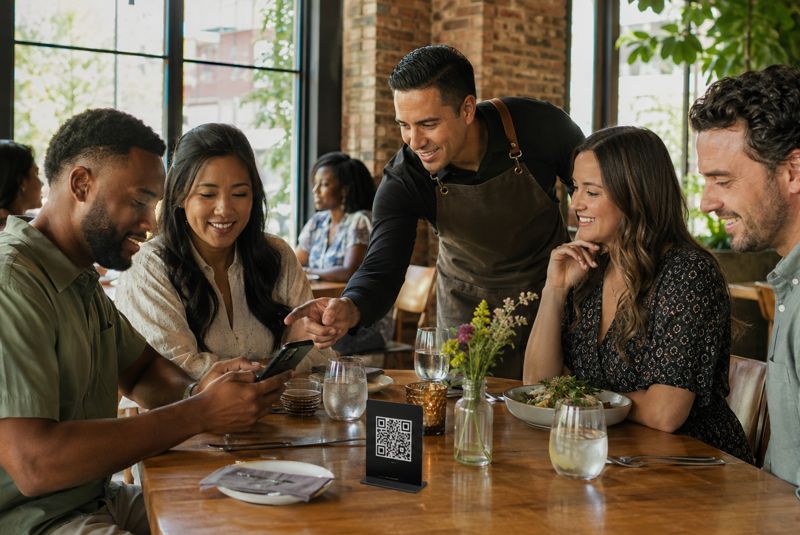
The way Americans choose and order food has changed considerably. Customers increasingly expect to browse a menu before visiting, order takeout from their phones and pay without unnecessary delays. According to the National Restaurant Association’s Restaurant Technology Landscape Report, 76% of restaurant operators believe technology gives them a competitive advantage.
The same research found that 68% of limited-service customers would order and pay through a restaurant’s website before collecting their food.
Greater Flexibility and a Better Customer Experience
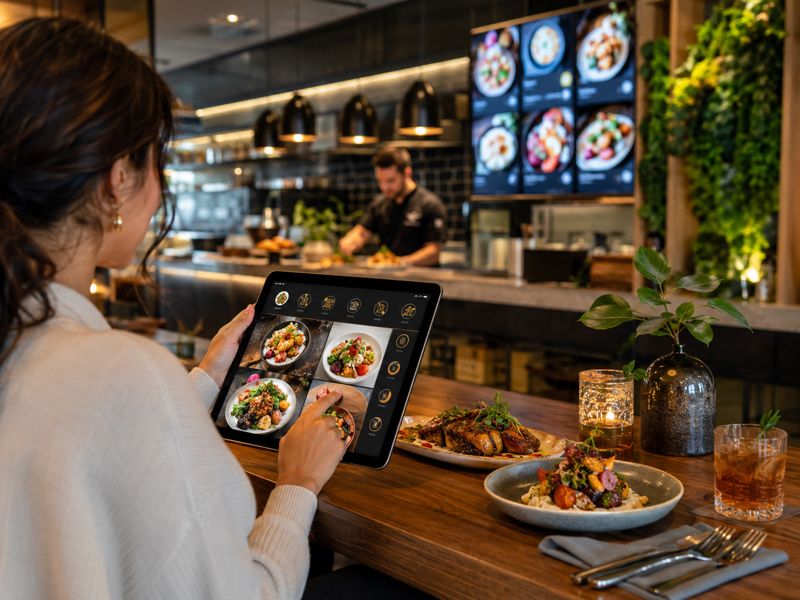
One of the clearest benefits of a digital menu is flexibility. Printed menus become outdated whenever a restaurant changes its prices, removes an unavailable dish or introduces a seasonal special. A digital menu can be updated quickly, allowing operators to respond to ingredient availability, supplier costs and changing customer demand without repeatedly paying for printing.
Digital menus can also improve the customer experience. Clear categories, photographs, ingredient descriptions and customization options help diners understand what they are ordering. Customers can take their time, review dietary information and choose extras without feeling rushed by a line or a busy server.
For restaurants, direct online ordering offers an alternative to relying entirely on third-party delivery marketplaces. Although these platforms can provide valuable exposure, a restaurant’s own ordering channel gives it greater control over branding, promotions, customer communication and menu presentation. It may also allow the business to build a direct relationship with repeat customers rather than depending on an external platform for every transaction.
Increasing Sales and Improving Efficiency
Digital ordering can support revenue growth as well. A properly structured menu can suggest drinks, sides, desserts and upgrades at suitable points in the ordering process. Restaurants can prominently display profitable dishes, promote limited-time offers and make popular combinations easier to purchase. These prompts are presented consistently, even during periods when employees are too busy to make verbal recommendations.
Operational efficiency is another important consideration. Telephone orders can interrupt front-of-house staff and create mistakes when information must be written down and entered into another system. Online ordering lets customers submit their own selections, contact details, pickup times and special requests. Staff can then spend more time preparing food, serving guests and resolving issues.
MenuForma is one option for restaurants making this transition. It enables businesses to create a digital QR menu and online ordering page from an existing PDF, photograph or website link. Its listed features include dine-in, pickup and delivery ordering, payment collection, customized QR codes, analytics and automatic menu translation into more than 70 languages.
Keeping Digital Ordering Accessible
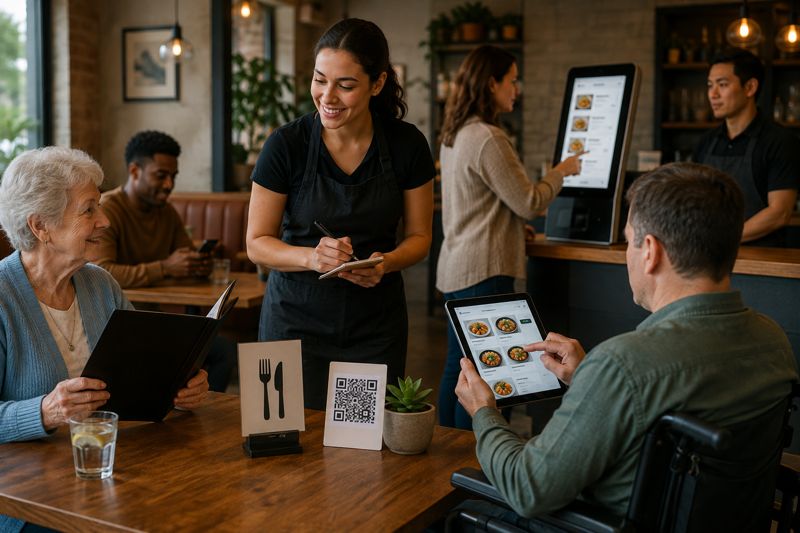
However, moving towards digital service should not mean eliminating customer choice. Some diners may not have a suitable smartphone, while others prefer a printed menu or need additional assistance. Restaurants must also ensure that their online menus are accessible. The US Department of Justice’s ADA guidance explains that businesses open to the public, including food and drink establishments, must consider accessibility when providing goods and services online.
For many American restaurants, the strongest approach is therefore a hybrid one: convenient digital ordering supported by physical menus and attentive staff. Digital technology works best when it removes friction without removing hospitality.