
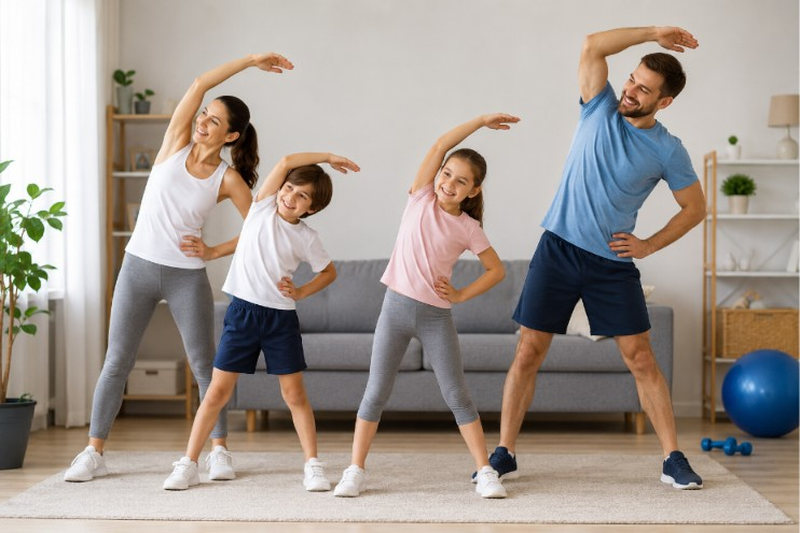
One in six UK adults now has a gym membership. Record numbers of people in England are getting involved in sport, too.
As more of us look for ways to stay active, family life offers key opportunities.
Understanding the benefits below can help you make exercise a genuine part of your routine.
Better Physical Health
Whether you’re six or sixty, regular activity strengthens the cardiovascular system, supports healthy bone density and helps the body manage weight.
Children who exercise consistently develop stronger muscles and better coordination while their bodies are still growing. Adults, meanwhile, reduce their long-term risk of conditions such as type 2 diabetes and high blood pressure.
Mental Health Benefits
Physical activity triggers the release of endorphins and reduces levels of cortisol, the hormone associated with stress. For children, this translates into better emotional regulation and improved concentration at school. For adults, consistent physical activity is one of the most evidence-backed ways to manage low mood and anxiety.
When you exercise together, you also remove one of the most common barriers to regular activity: motivation. People find it easier to stay consistent when someone else, like a parent or child, is expecting them to show up.
Family Bonds
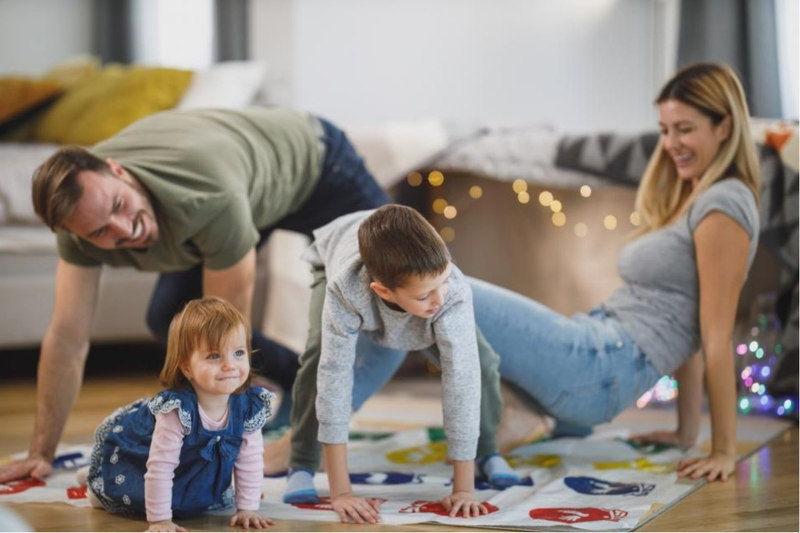
Shared physical activity creates a context for connection that everyday life rarely offers. When you are playing, moving and sometimes struggling together, conversation happens naturally without the pressure of a structured discussion.
Supporting a child’s interest in a sport also extends beyond the pitch or track. Wearing the kit of a favourite team – a Liverpool Adidas shirt for a dedicated supporter, or a rugby jersey for one who follows their county side – signals that you take their enthusiasm seriously.
Building Lifelong Healthy Habits
Habits formed in childhood are more likely to persist into adulthood, and being active is no exception. If kids grow up in households where sport and fitness are normal rather than exceptional, they internalise movement as part of daily life rather than as a chore.
The key is consistency over intensity: going for a thirty-minute walk three evenings a week builds a more durable habit than attempting a gruelling challenge once a month, for example. Start with something small and achievable, then let the routine grow around it.
The habits you build together now can shape the people your children will grow into, long after they have left home. That’s a return on investment that no games console can match!