

Hiring sounds like growth. Finance hears cash leaving, repeatedly, on a schedule, with legal duties stapled to every payslip. Workforce expansion turns a business from a trading engine into a liability manager. Payroll becomes a promise, and promises tend to outlive optimism. The hard part lies in timing.
Revenue arrives when customers pay. Wages leave when the calendar says so. That mismatch, more than any slogan, explains why ambitious hiring plans so often end with a strained overdraft and a tense chat with the bank.
Payroll Is the Easy Bit. Everything Around It Isn’t
New staff raise payroll, yes, but the serious cost sits in the orbit around payroll. Employers incur costs for national insurance, pension contributions, holiday accrual, payroll software, HR support, insurance premiums, and the time managers lose when they stop selling and start supervising. Recruitment also charges twice.
First, through adverts and fees. Then, during the learning curve, salary is paid even though output remains clumsy and errors multiply. Accounting and auditing companies like GSM Accountants advise firms to price the full headcount burden, not just gross wages. A business that budgets only for salaries behaves like a person who buys a car and forgets to budget for fuel and repairs. Over time, too.
Cash Flow Timing Turns Hiring into a Gamble
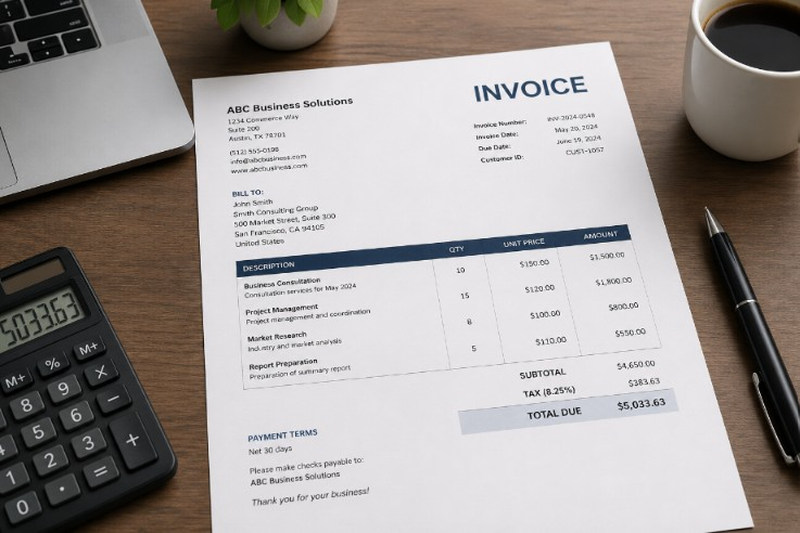
A growing workforce demands predictable cash. Most businesses don’t get it. They get invoices, promises, and the late payer with a talent for excuses. Wages, in contrast, come with a deadline and a legal edge. That asymmetry creates a nasty rhythm. A company can look profitable on paper while it scrapes together payroll each month.
Growth adds pressure to working capital. More staff often means more projects, more stock, and more credit to customers. The bank might offer a facility, then tighten it after one bad quarter. Hiring based on the assumption that sales will land next month is effective until next month refuses to cooperate.
Compliance Risk Carries a Real Price Tag
Workforce growth drags a business into regulation whether it likes it or not. Payroll mistakes trigger penalties. Pension auto-enrolment brings deadlines and record-keeping. Employment law adds risk, and risk adds cost. One bad dismissal can turn into a tribunal claim, legal fees, management time, and a settlement that feels like paying for a lesson nobody wanted.
Insurance responds by rising, not out of spite, but because the chance of a claim climbs with each additional person. Humans make mistakes. They also send invoices for those mistakes.
Pay Expectations Ratchet Upwards

Salaries rarely stay still. Hire one person at a higher rate, and the existing team notices. Pay compression appears first, followed by resentment, and then the costly remedy of ‘adjustments’. Benefits creep in the same way. A small firm offers a perk to attract a specialist, only to discover it has set a new baseline.
Add bonuses, and the firm inherits a forecasting headache, because incentives feel optional until employees treat them as entitlement. Layers of management follow, each adding cost and sometimes subtracting speed. The clean simplicity of a small operation disappears. In its place sits a payroll bill that no longer flexes down when demand dips.
Conclusion
Workforce expansion tempts leaders to think in terms of headcount, as if people function like parts on a line. Finance forces a harsher view. Each hire creates recurring costs, timing risk, compliance duties, and cultural commitments. The company doesn’t just pay wages. It pays for stability and the right to continue operating without legal or reputational damage.
Smart businesses treat hiring as capital allocation even when it shows up as an expense. They model downside scenarios, keep cash buffers, tighten credit control, and resist celebrating growth before it pays for itself. A workforce can make a business formidable. It can also turn a healthy venture into a brittle machine that breaks the moment the market coughs.