
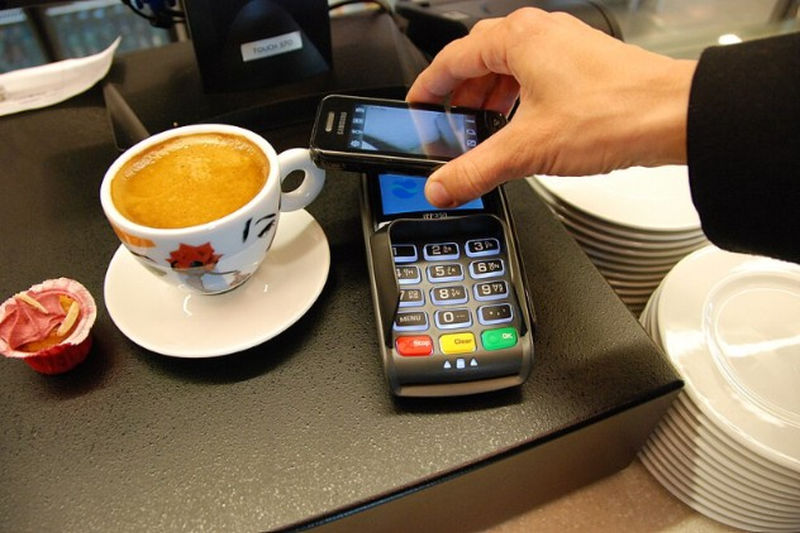
Fewer of us are carrying loose change these days. Grocery runs, coffee stops, even splitting a bill with a friend — it’s nearly all done with a tap of a card or a phone. This shift hasn’t happened overnight, but it’s accelerated so quickly that many households barely noticed the moment cash stopped being the default.
What’s replaced it isn’t just a different way to pay. It’s a different way to think about money altogether — one where spending happens across apps, subscriptions, and digital wallets rather than physical notes and coins.
Cash to Contactless: How Habits Shifted
Walk into almost any shop today and contactless is simply expected. Cashiers barely blink when a customer taps their phone instead of reaching for a wallet. This wasn’t always the case, but the convenience factor has proven impossible to ignore for most households juggling busy schedules.
The knock-on effect is that budgeting has quietly moved from physical envelopes of cash to digital dashboards. Parents managing household accounts increasingly rely on banking apps that categorise spending automatically, rather than counting notes at the end of the week. It’s a more passive form of tracking, but also a less tangible one — money leaves the account without the same sense of friction cash once provided.
Subscription Creep and Tracking Digital Outgoings
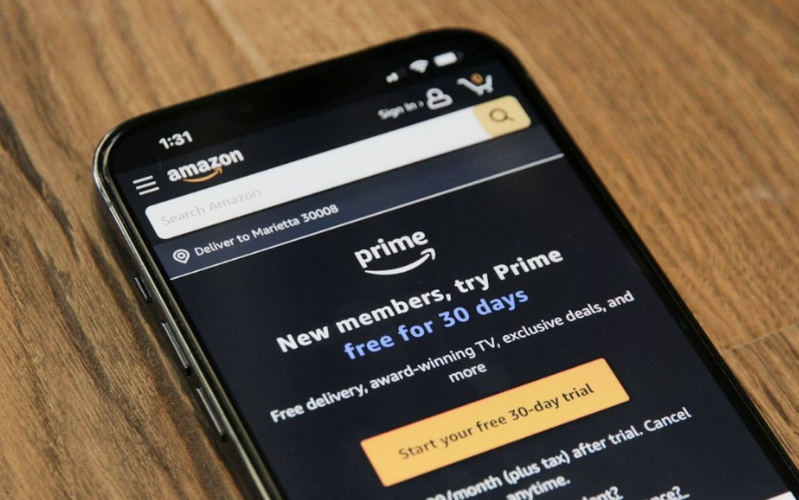
Alongside everyday purchases, another category has crept into monthly budgets almost unnoticed: subscriptions. Streaming services, cloud storage, fitness apps, and digital memberships now sit quietly on bank statements, renewing automatically each month. Many households don’t fully register the cumulative cost until they sit down and add it all up.
Recent reporting suggests the typical Briton now spends around £72 a month on subscriptions, holding roughly three active services at any given time. That’s a meaningful fixed cost sitting quietly within household budgets, often renewing before anyone questions whether it’s still worth it.
Online Leisure Spending and Where it Goes
Leisure spending itself has become harder to picture as a single lump sum. Instead, it’s scattered across small, recurring digital transactions — a streaming renewal here, an in-app purchase there, a one-off online booking somewhere else. Contactless has made this frictionless, and that’s precisely the point worth noting.
This digital-first shift extends into leisure spending more broadly. Music streaming subscriptions renew silently each month without requiring any active decision. Digital gaming platforms charge for season passes and in-app content in increments too small to register individually. Alternative casino platforms have followed the same model — UK crypto casinos with instant wallet deposits and app-based account management reflect how thoroughly this category has moved into trackable, low-friction formats compared with the cash-heavy leisure spending of a decade ago.
Industry data now shows contactless has become the dominant in-store payment method across the UK, with 19.2 billion contactless debit and credit card payments made in 2025 totalling £311 billion, according to UK Finance contactless payment data. When leisure spending happens this smoothly, it’s easy to lose track of where the money is actually going each month, even for households that consider themselves reasonably organised.
Building a Simple Digital Budget That Sticks
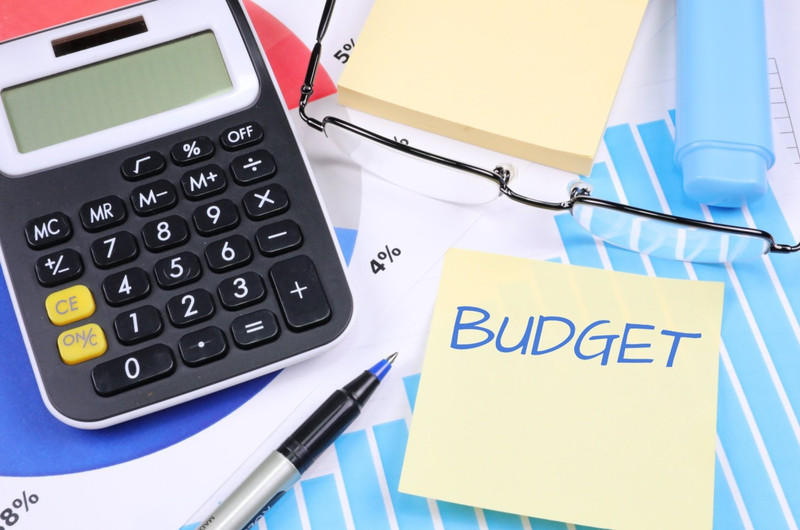
None of this means digital spending is inherently a problem — quite the opposite, in many respects. Apps and dashboards can replicate the old envelope-budgeting method rather well, provided households actually use the categorisation tools available to them. Setting spending limits per category, rather than relying on a single total, tends to work better in practice.
Average UK household expenditure sat at just over £623 a week according to recent ONS figures, a reminder that even modest digital leaks add up quickly across a year. The households managing this best tend to review their digital outgoings monthly, treating subscriptions and leisure apps with the same scrutiny once reserved for cash in an envelope. It’s a small habit shift, but one that pays off steadily over time.