

What happens in the hours and days after a road accident can directly impact the value of a personal injury claim. Clients who have kept evidence, visited their GP as soon as possible and recorded the experience from the beginning provide their solicitor with a much stronger platform to work from than those who did not.
As well as who you are instructing, what you do before you instruct a solicitor is important. It is important to choose an experienced solicitor, such as Watermans, that has a proven track record in getting compensation for people who have been in a road accident.
Report the Accident and Obtain a Reference
If a person is injured in a road crash, the incident must be reported to the police at the time of the crash or within 24 hours. A police report is an official contemporaneous record of the incident and is an evidential document your solicitor will wish to have access to. Obtain the report reference number and keep it with your other accident documentation.
If the other driver’s information was exchanged at the scene, write down the name, address, vehicle registration, and insurance information exactly as given.
Seek Medical Attention Without Delay
One of the most common errors road accident victims commit in the initial aftermath of an accident is failing to seek medical evaluation due to the nature of their injuries not being serious enough. Symptoms and pain from soft tissue injuries, whiplash, and concussion often don’t occur right away, but hours or days after the injury.
A medical record generated quickly after the accident will provide a clearer clinical link between the accident and the injuries sustained than a delayed record. See your GP or attend an ED as soon as you can, tell the truth about all your symptoms, and make sure you have a copy of any notes or referral.
Photograph Everything You Can

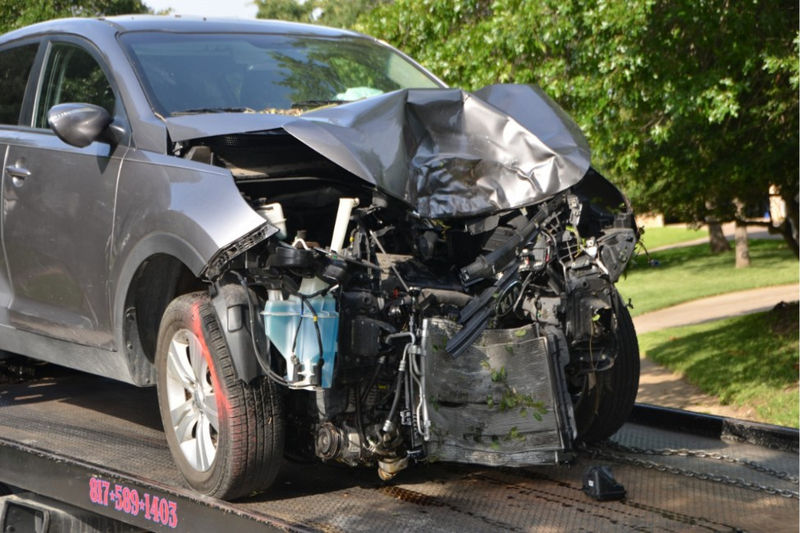
One of the most important pieces of evidence in a personal injury case is a photograph of the scene of the accident or near accident. Photograph the location of the vehicles before the move, road surface conditions, any skid marks or debris, traffic signs and road markings pertinent to the incident and visible damage to all vehicles involved.
If injuries are visible, take pictures of the bruising, cuts, and swelling, and then take more pictures every few days as the injuries progress. Written descriptions are not enough to elicit a response from courts and insurers, as they rely on visual evidence.
Identify and Record Witness Details
Independent witnesses to a road accident give evidence which is not repeatable by either party to the claim. If anyone stopped at the scene or was around, get their name and contact information before leaving. If witnesses were found and you were unable to speak with them, record any information you gathered, including a description and/or a vehicle registration.
Sometimes, later-instructed solicitors can follow up with witnesses on partial information, but the more complete the record you provide, the easier it will be for them to do so.
Keep a Symptom and Impact Diary
From the day of the accident, keep a written record of your symptoms, their severity, and how they are affecting your daily life. Record the amount of pain, sleep problems, activities that you can no longer do, medical visits, and medications used.
This diary is part of the evidence that can be used to support your claim’s quantum, the amount you are entitled to be paid, and has a special value since it was written at the time, not months later.
Record Every Financial Loss
The damages awarded in personal injury cases go beyond pain and suffering. If you have lost wages during your recovery, if you have had to travel to medical appointments, if you have had to pay for prescriptions or any care or assistance you have needed, then these are all heads of loss you can recover, but only if you can prove them.
Retain payslips, receipts and note any time off work. Include any practical support or care provided by a family member, stating what it was and how long it took. The more you have documented, the stronger your claim’s financial component will be.
What to Look for When Choosing Your Solicitor
After the immediate evidence gathering is in place, the next most important decision will be which personal injury solicitor you choose. Seek a firm with experience in road accident claims in Scotland, an explanation of how the case will be funded, and a solicitor who explains things in an easy-to-understand manner and welcomes your questions rather than shutting them down.
Their job is easier, and their result is stronger, because of the foundation you laid in the days before that instruction.