

Bringing a dog into your family often starts with excitement. You picture long walks, muddy paw prints by the back door, and a loyal companion waiting to greet you at the end of the day. What many new owners don’t anticipate, however, is how quickly the small expenses add up.
The initial adoption fee or purchase price is only the beginning. The real cost of having a dog comes from the ongoing commitments that shape everyday life. Understanding these expenses before you bring a dog home can help you plan realistically and avoid financial stress later on.
Food Costs Go Beyond Filling the Bowl

Food is one of the most obvious expenses, but many first-time owners underestimate how much they’ll spend over the years. The amount depends on your dog’s size, age, activity level, and dietary needs. Larger breeds naturally consume more food, while puppies often require specialised nutrition to support growth. Some dogs develop sensitivities that call for premium formulas or limited-ingredient diets.
Treats add another layer to the monthly budget. Training rewards, dental chews, and occasional indulgences all become regular purchases. When budgeting for pets, calculate food expenses monthly rather than focusing solely on the price of a single bag. What seems manageable at the checkout can represent a significant annual commitment.
Preventative Care Can Save Money Later
Routine veterinary visits are easy to overlook when thinking about the hidden costs of owning a dog. Yet preventative healthcare often protects owners from larger, unexpected bills down the line.
Annual check-ups, vaccinations, parasite prevention, and flea and tick treatments help keep dogs healthy. While these expenses may feel inconvenient, postponing them can lead to more serious problems that require extensive treatment.
Dental health deserves particular attention. Many owners only realise its importance once their dog requires professional cleaning or treatment for advanced dental issues. Building good habits early may help reduce the likelihood of costly interventions later.
Budget for products that support oral hygiene at home alongside regular veterinary advice. For example, dental health supplements available from Pup Labs can be part of a broader preventive care routine to promote oral health before problems escalate. Proactively approaching healthcare often proves more affordable than responding only when issues arise.
Insurance and Emergency Expenses Add Up

Even healthy dogs can face unexpected accidents or illnesses. Pet insurance provides peace of mind for many households, but it introduces another recurring monthly expense. Policies vary considerably in terms of coverage, excess amounts, exclusions, and reimbursement limits. Owners should review the details carefully to understand what they are actually paying for.
Insurance isn’t the only safeguard worth considering. Some people prefer to maintain an emergency fund specifically for veterinary care. Whether it’s a swallowed toy, an injured paw, or an unexpected diagnosis, emergency treatment rarely arrives at a financially convenient time.
The hidden costs of owning a dog often reveal themselves through these unpredictable moments. Preparing in advance can prevent difficult decisions when your pet needs immediate care.
Grooming Is More Than an Occasional Treat
Many people assume grooming expenses only apply to long-haired breeds. In reality, almost every dog requires some level of ongoing maintenance. Professional grooming appointments may include bathing, clipping, coat trimming, nail care, and ear cleaning. Certain breeds need these visits every few weeks to maintain healthy coats and skin.
Even owners who groom at home must purchase brushes, shampoos, nail clippers, towels, and other supplies. These purchases may seem minor individually, but they add up over time to the overall cost of having a dog.
Regular grooming also allows owners to notice changes such as skin irritation, lumps, parasites, or signs of discomfort before they become more serious concerns.
Training, Equipment, and Lifestyle Adjustments
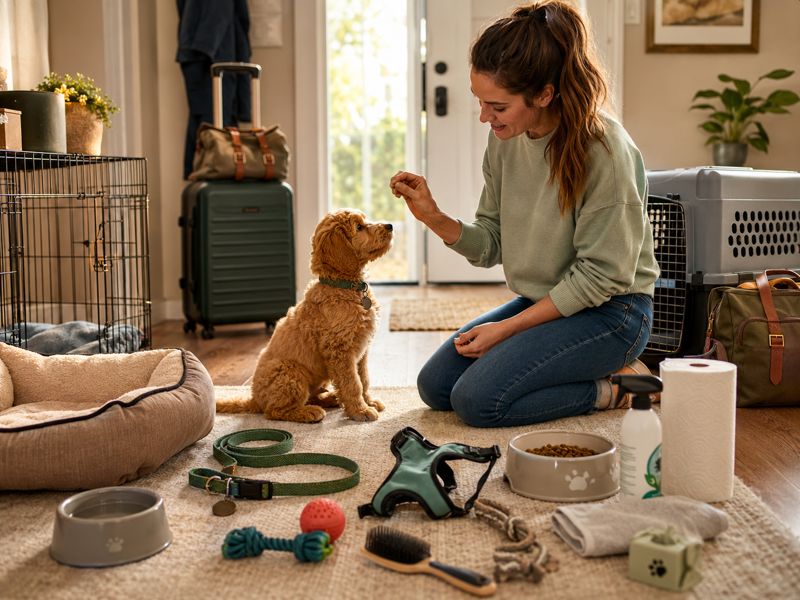
Dogs don’t simply fit into existing routines without adjustments. Basic equipment includes collars, leads, harnesses, identification tags, bedding, crates, food bowls, toys, and cleaning supplies. Puppies often outgrow these items quickly, requiring replacements as they mature.
Training classes can also represent a worthwhile investment. Group sessions help dogs develop good manners while giving owners practical guidance. Addressing behavioural issues early may reduce future stress and expense.
Holidays introduce another consideration. Boarding kennels, pet sitters, or dog-friendly accommodation can significantly influence travel plans and budgets.
Pup Labs understands that responsible ownership involves looking beyond the initial excitement of bringing home a new companion. The decisions owners make during those early months often shape both their dog’s wellbeing and their own financial experience for years to come.
Budgeting for Pets Starts Before You Bring Them Home
The emotional rewards of dog ownership are undeniable, but they come with practical responsibilities. Creating a realistic budget before welcoming a dog into your household can help you navigate both expected and unexpected expenses with confidence. Consider monthly necessities, annual healthcare costs, emergency savings, and lifestyle changes as part of your planning process.
The true cost of having a dog extends far beyond food and toys. Understanding the hidden costs of owning a dog doesn’t diminish the joy they bring. Instead, it allows families to prepare thoughtfully and provide the care their pets deserve.
Final Thoughts
Dogs enrich our lives in countless ways, offering companionship, comfort, and unconditional affection. At the same time, responsible ownership requires honest financial planning.
By budgeting for pets carefully and recognising the ongoing commitments involved, families can avoid unpleasant surprises and focus on building a happy, healthy life with their four-legged companion.